


Supercomputer aboard ISS to bring cloud computing to astronauts above the clouds
The supercomputer withstood microgravity, radiation & power outages during the test year in space.

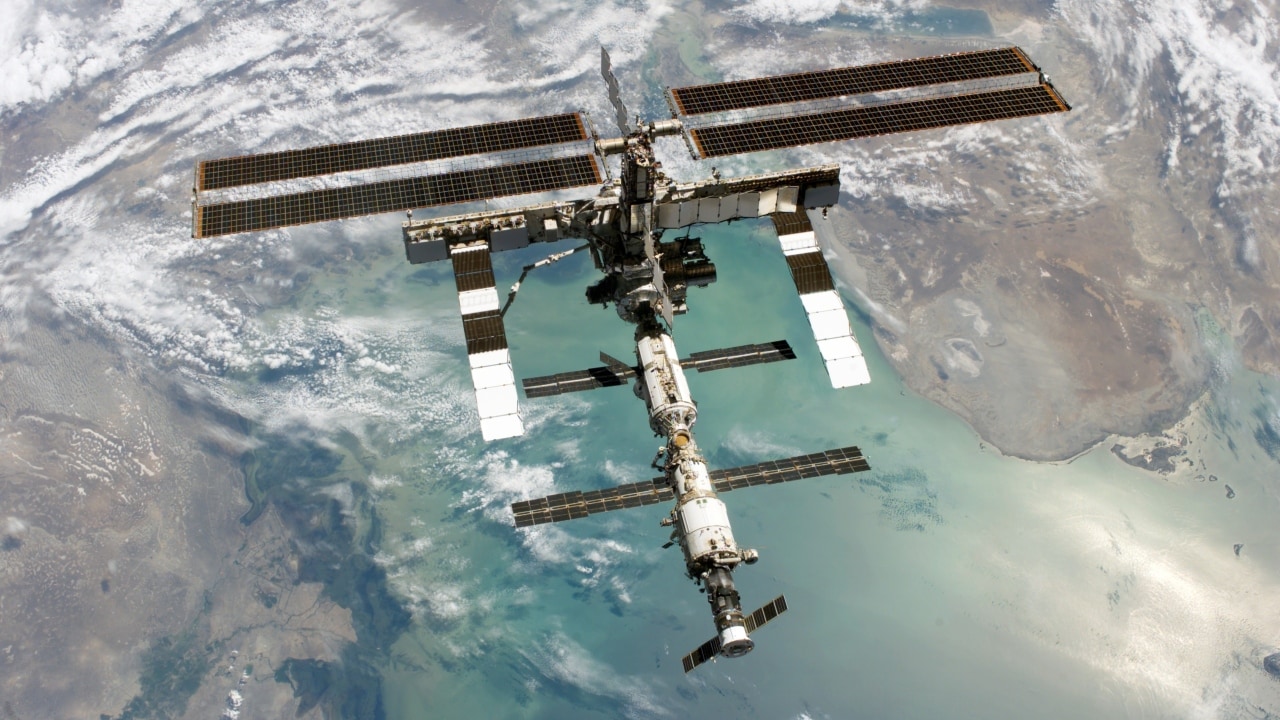
A 3D model of the International Space Station (ISS). Image Courtesy: NASA[/caption]The goal is for astronauts to be able to run their scientific analysis in space, without transmitting the data to Earth first.Currently, the connection between space and the Earth can be slow and unreliable. The connection is often lost, and there may be a gap in communication lasting several seconds or more.Fernandez said the new computer aims to upgrade the experience -- currently a bit like relying on an old, dial-up modem."It is slow, it is intermittent and it has high latency," he said.With the new system, "I'll have lower latency to move my data, I'll have higher bandwidth to move my data. I won't have any loss of signal to get my data down to Earth, and I'll be much more reliable."On a future journey to Mars, millions of miles away, communication delays could last 20 minutes or more.So testing such super computers in space, at a relatively close distance of 250 miles (400 kilometers) above the Earth, could help develop future deep space computers.The Spaceborne Computer will be tested by scientists for just a few months, then sent back to Earth in February or March.

Careless Whispers: Scientists discover that plants can 'talk' to each other using smells
Life on Mars? European Space Agency’s Orbiter discovers ice water deposits at equator
Microsoft briefly overtakes Apple as the most valuable company, Apple back on top again
Even NASA is facing a tough time, starts layoffs following major budget cuts
ISRO, NASA's NISAR satellite to get ready by Jan-end, will monitor Earth's snow-covered regions