


Spend twice as much on renewable power, slash investment in oil & coal: IEA
In 2018, investment in oil & gas projects rose by 4% while investment in coal sources rose only by 2%.


Representational Image. Credit: NASA[/caption]This two-year plateau following three years of slow decline reflects uncertainty across the industry as to what the future holds."Governments have not clearly committed, nor have they clearly not committed, to reaching the Paris Agreement goals," Mike Waldron, an IEA energy investment analyst, told journalists ahead of the report's release. The 2015 treaty enjoins nations to cap global warming at "well below" two degrees Celsius (3.6 Fahrenheit).A landmark UN report in October concluded that CO2 emissions must drop 45 percent by 2030 — and reach "net zero" by 2050 — if the rise in Earth's temperature is to be checked at the safer limit of 1.5C.
Storing future risks
The planet's surface has already warmed 1C since industrialisation began, and is on track to heat up another 3C by century's end — a recipe for human misery on a global scale, scientists say.The lack of clear policy direction on climate change has steered energy investors towards projects with shorter lead times, and could contribute to a future gap between supply and demand, according to the report.On current trends, money going to develop all types of energy — especially oil, gas and coal — will fail to meet projected global energy needs over then next decade, it found.[caption id="attachment_6632421" align="alignnone" width="1280"]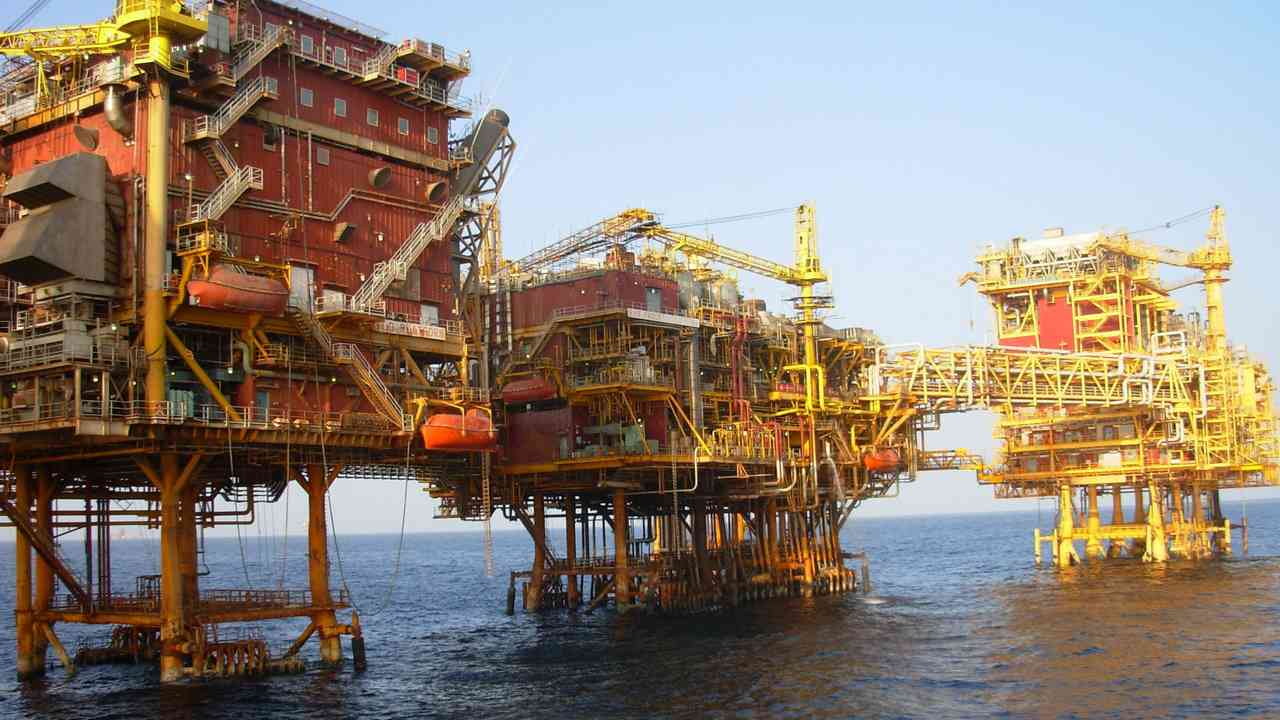
Investments in oil and gas projects have increased by in 2018. Image credit: Wikimedia Commons[/caption]"The world is not investing enough in traditional elements of supply to maintain today's consumption patterns," IEA executive director Fatih Birol said. "Nor is it investing enough in cleaner energy technologies to change course. Whichever way you look, we are storing up for risks in the future." The IEA report projected energy sector investment against two possible futures.Under the New Policies Scenario, current patterns of investment continue on a similar trajectory, adjusted for voluntary national carbon-cutting plans that would -- if fulfilled -- see the planet warm by just under 3C above pre-industrial levels within 80 years.The Sustainable Development Scenario "is fully aligned with the Paris Agreement," according to the IEA.
Africa under-served
Low-carbon energy investment — in solar, wind, efficiency, and carbon-storing technologies — would need to double from $304 billion in 2018 to $606 billion over the next decade to be in sync with the more ambitious pathway, the IEA told AFP."The share of low-carbon investment rises to 65 percent by 2030, but advancing from today's share of 35 percent would require a step-change in policy focus," the report said. Money to develop nuclear power would likewise have to increase sharply, from $47 billion last year to about $76 billion. Investment in boosting electricity networks and battery storage would see a jump of more than 50 percent to $464 billion.[caption id="attachment_6632441" align="alignnone" width="1280"]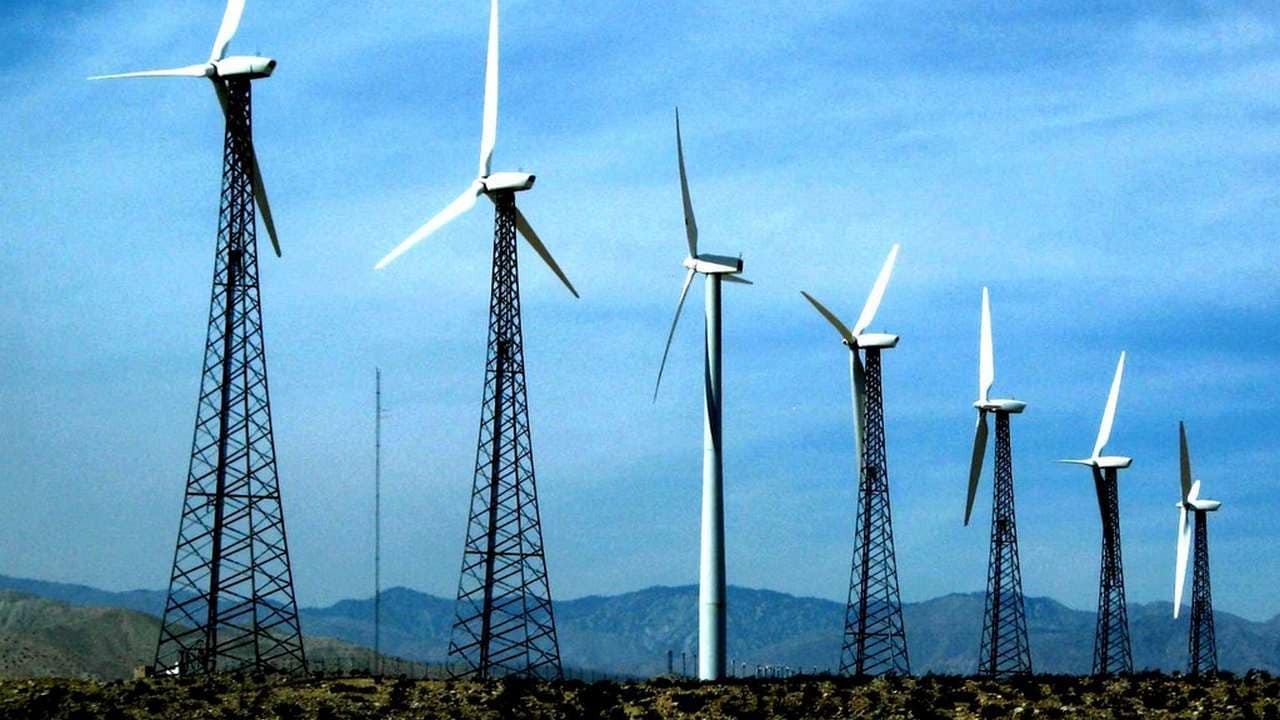
Usage of renewable energy like wind power should increase. Image credit: Flickr[/caption]More broadly, "reaching the goal of the sustainable development scenario would require a major reallocation from fuel supply to [electric] power, which is not happening right now," said Tim Gould, head of the IEA's World Energy Outlook & Investment Division.At a country level, China continued to be the largest market for energy investment in 2018, but its lead narrowed.India had the second largest jump in investment after the United States.The poorest regions of the world, however, continue to see a disproportionate lack of money for new energy of any kind.Sub-Saharan Africa, for example, "only received around 15 percent of investment in 2018 even though it accounts for 40 percent of the global population," the IEA said.

Careless Whispers: Scientists discover that plants can 'talk' to each other using smells
Life on Mars? European Space Agency’s Orbiter discovers ice water deposits at equator
Microsoft briefly overtakes Apple as the most valuable company, Apple back on top again
Even NASA is facing a tough time, starts layoffs following major budget cuts
ISRO, NASA's NISAR satellite to get ready by Jan-end, will monitor Earth's snow-covered regions