


SpaceX scraps plans make Falcon 9 even more reusable than it is now
SpaceX will make “minor tweaks" to improve its reliability, if NASA & US Air Force back it: Musk.

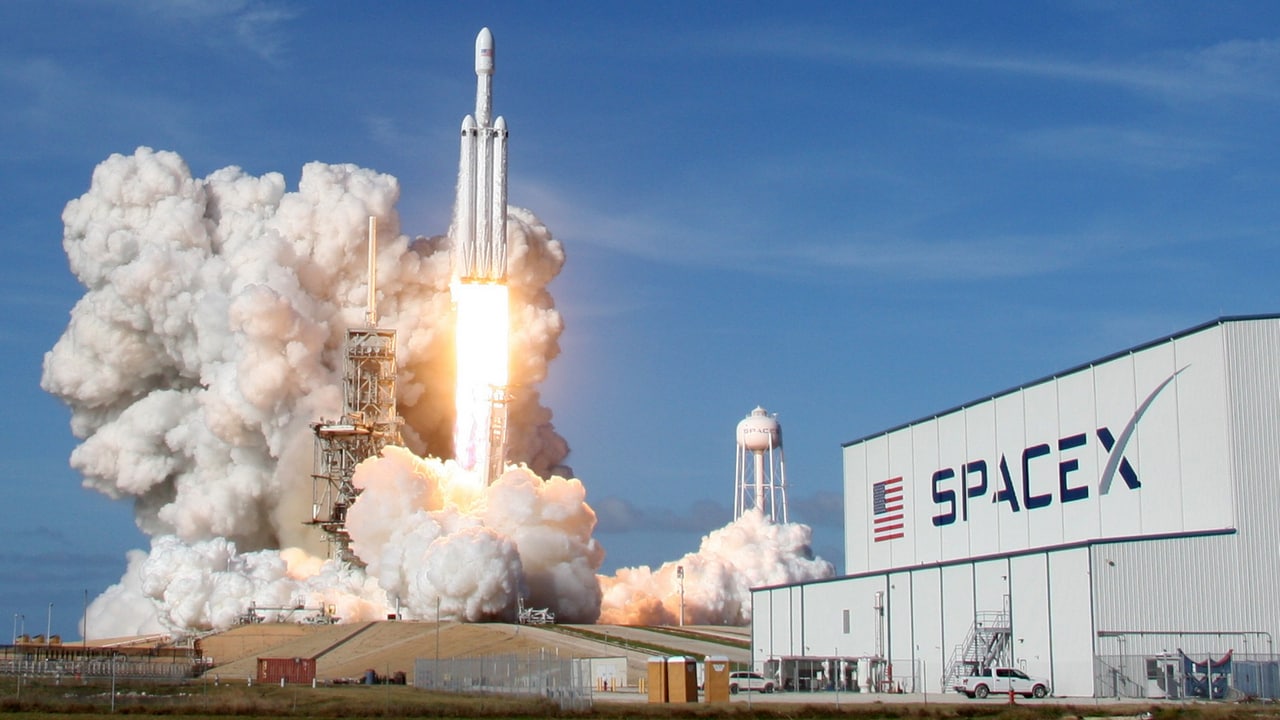
SpaceX launched the Falcon 9 rocket carrying PAZ and Tintin A & B (demo satellites for Starlink) mission on Thursday, 22 February, 2018.[/caption]According to SpaceX, BFR is a fully reusable vehicle designed to service all Earth orbit needs as well as the Moon and Mars. This two-stage vehicle — composed of a Booster and a Ship is designed to eventually replace Falcon 9, Falcon Heavy and the Dragon spacecraft.On September 17, SpaceX announced that Japanese billionaire Yusaku Maezawa will be the company’s first private passenger to fly around the Moon aboard the company’s BFR rocket in 2023. In March 2017, SpaceX achieved the world’s first reflight of an orbital class rocket when the Falcon 9 launched a geosynchronous communications satellite on March 30 of that year.The first stage for the mission previously supported a space station cargo resupply launch for NASA in April 2016. Following stage separation, the first stage successfully returned to Earth for a second time, landing on a drone ship stationed in the Atlantic ocean.

Careless Whispers: Scientists discover that plants can 'talk' to each other using smells
Life on Mars? European Space Agency’s Orbiter discovers ice water deposits at equator
Microsoft briefly overtakes Apple as the most valuable company, Apple back on top again
Even NASA is facing a tough time, starts layoffs following major budget cuts
ISRO, NASA's NISAR satellite to get ready by Jan-end, will monitor Earth's snow-covered regions