


SpaceComm's Amos-17 completes in-orbit testing, reaches its final position
The communication satellite was launched in August to replace an earlier one that had failed.

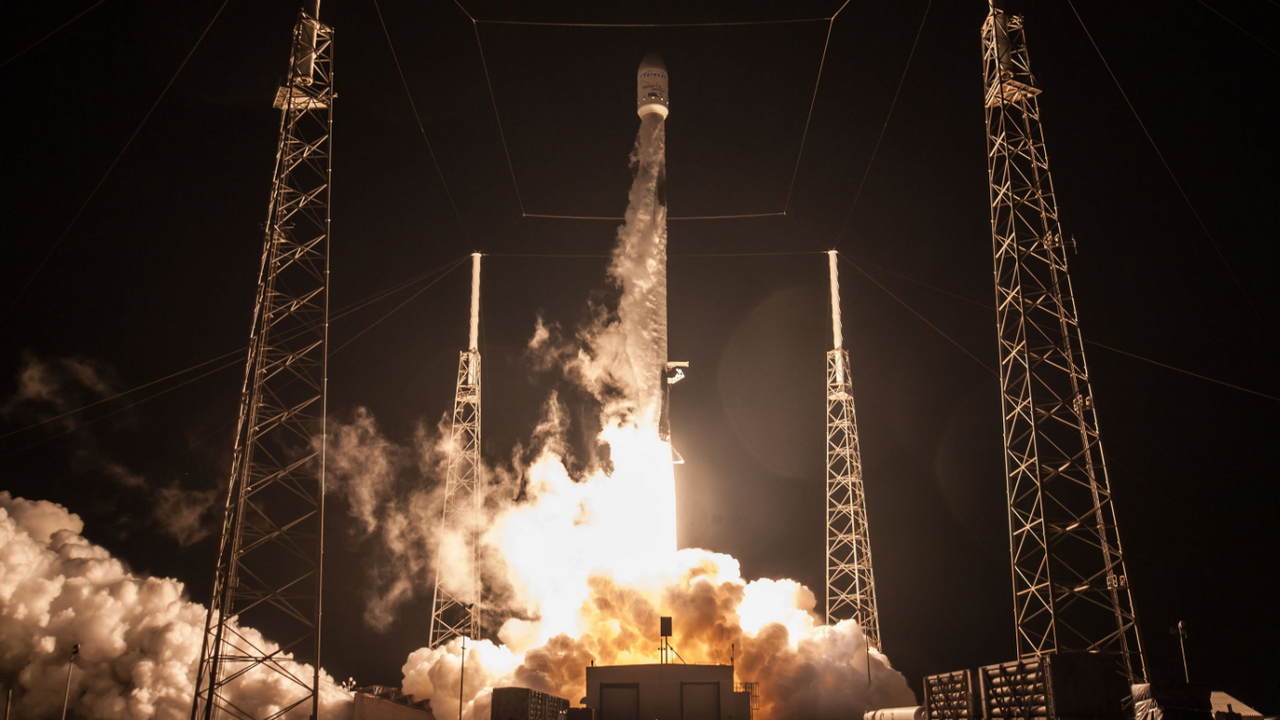
Launch of Amos-17 on the SpaceX Falcon-9 rocket. image credit: SpaceX[/caption]Amos-17 was launched in August this year and has a life span of two decades. It faced two major incidents and its launch date was pushed back. In 2016, SpaceComm loss the predecessor of Amos-17, the Amos-6 satellite, when the SpaceX rocket carrying it to orbit exploded. Amos-17 was built to replace Amos-6, and the launch was scheduled for 3 August. This was postponed to 6 August after SpaceX found an issue with a valve during a static fire test.A static fire test is a standard test SpaceX conducts before all its launches. The first stage of the rocket is clamped down and its engines are briefly fired to check on the booster systems and to see if everything is working a-ok.The advanced communications satellite belongs to Spacecom, an Israeli company. It is a heavy satellite, and so, the boosters will need all their fuel to put it into orbit, but won't have enough juice left to make their way back to the launchpad. The thrice-used boosters will end their brief, if illustrious career with an unceremonious splash in the ocean.With inputs from Reuters.

Careless Whispers: Scientists discover that plants can 'talk' to each other using smells
Life on Mars? European Space Agency’s Orbiter discovers ice water deposits at equator
Microsoft briefly overtakes Apple as the most valuable company, Apple back on top again
Even NASA is facing a tough time, starts layoffs following major budget cuts
ISRO, NASA's NISAR satellite to get ready by Jan-end, will monitor Earth's snow-covered regions