


Space Week 2019: After Chandrayaan 2, ISRO's upcoming interplanetary missions to Mars, Venus, the Sun
Among these missions is a mission to the Sun's corona, a second Mars orbiter, and a third mission to the Moon.

The Vikram lander and Pragyan rover, part of India's first attempt to land on the moon with the Chandrayaan 2 mission, appear to be incommunicado on the moon's surface after a failed 7 September crash landing. But the Indian Space Research Organisation's (ISRO's) has a packed couple of years ahead, with a string of interesting (and interplanetary) projects on its to-do list in the near-future.The Chandrayaan 2 mission (and the Gaganyaan manned mission planned for 2022 are two of the better-known, bigger-budget missions, but far from the only ones for which work is underway. The agency is also working on a total of seven interplanetary missions in the coming decade. Among the destinations are Mars, the Moon, Venus, the Sun's corona and interplanetary space to study space.The first of these will be in April 2020, with the Aditya-L1 mission to the Sun.
April 2020 (estimated): Aditya-L1 mission
The Aditya-L1 mission is ISRO's first planned probe to study the Sun's corona and its atmosphere. The corona is the outer layer of the Sun, which extends thousands of km above the visible disc around it.
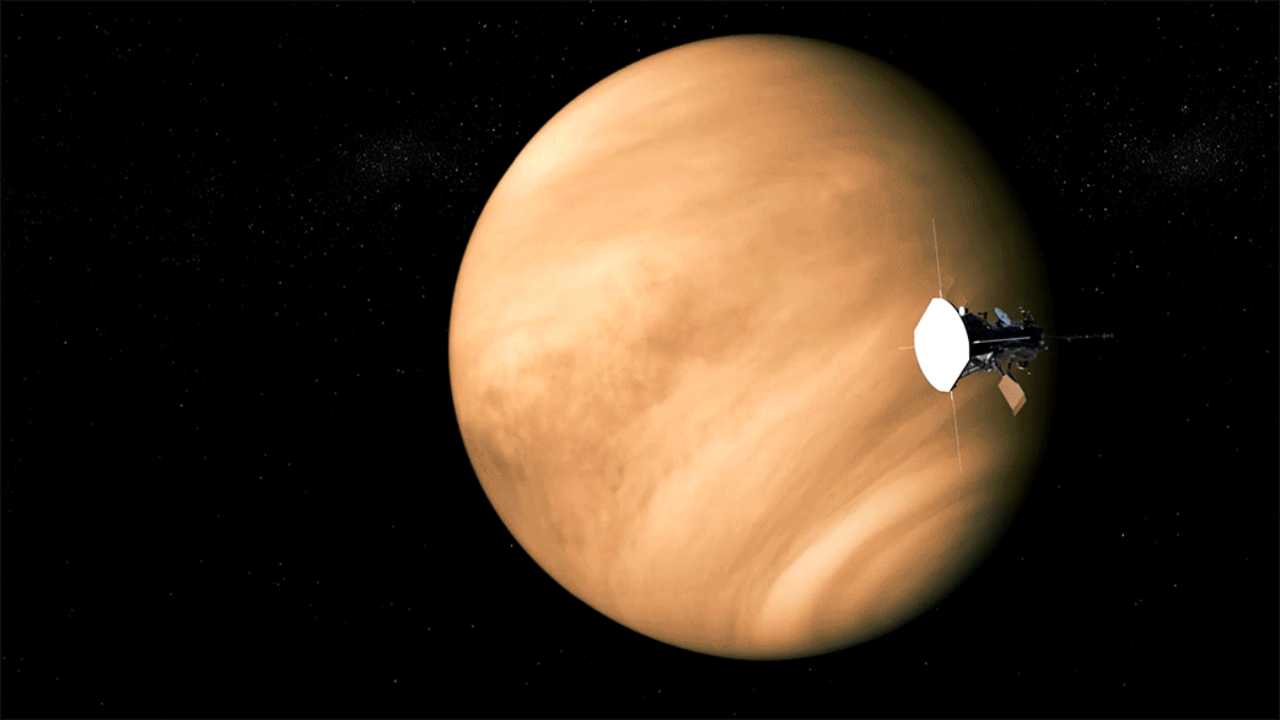
December 2021/January 2022: Gaganyaan mission
In his 2018 Independence Day address, the Prime Minister Narendra Modi announced that India will attempt to send astronauts to space on a spacecraft called the 'Gaganyaan' by 2022.The mission will make India only the fourth nation in the world to accomplish the feat if successful, he added. At Rs 10,000 crore, Gaganyaan is slated to be India's biggest, boldest space mission so far.
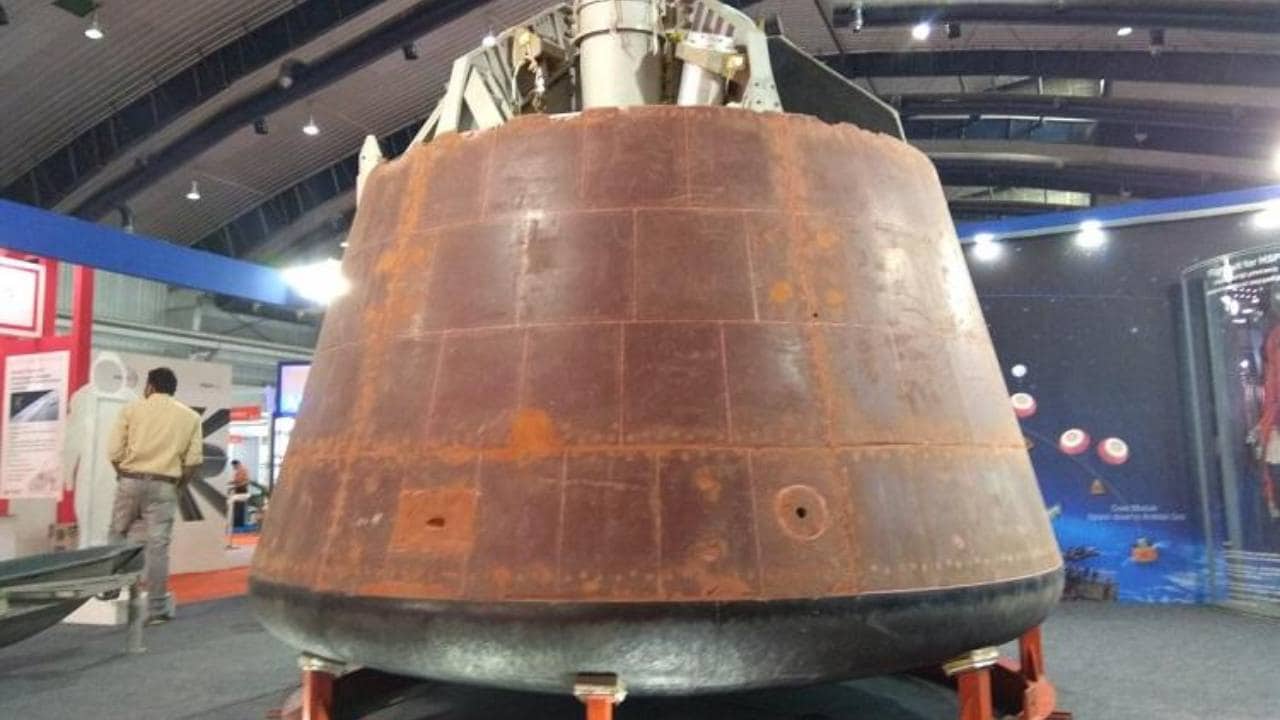
2022-2023: Mangalyaan-2 (or the Mars Orbiter Mission-2)
India's second mission to Mars, the Mars Orbiter-2, is another planned mission by the Indian Space Research Organisation (ISRO) between 2022 and 2023. The Mangalyaan-2 orbiter will use aerobraking to lower its initial apoapsis and enter into an orbit more suitable for observations. This mission, much like the Mangalyaan-1 mission has been planned as an orbiter-alone mission, and won't feature a lander or rover.
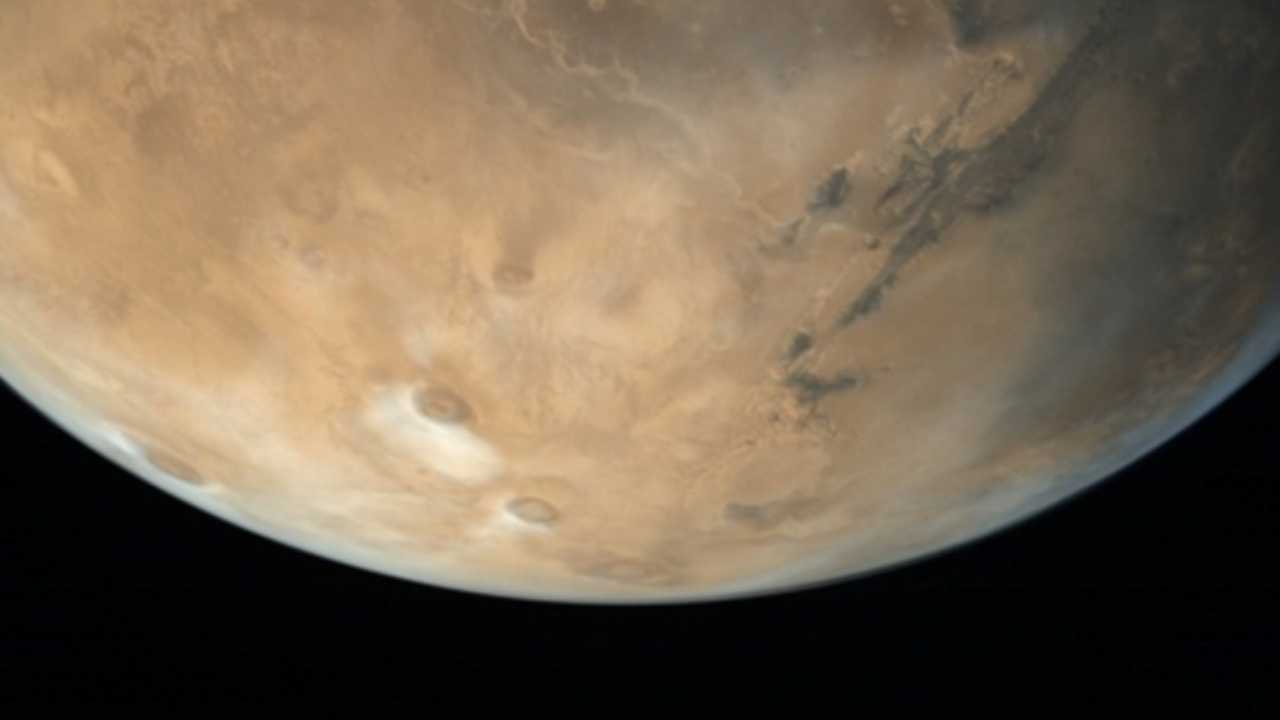
Late 2020s: Chandrayaan-3 mission
While the second mission in the Chandrayaan (India's lunar exploration) programme is still currently underway, K Sivan announced in January this year that the third mission in the series will also be carried out in the coming decade. The Chandrayaan program was always intended as a multi-mission space programme.
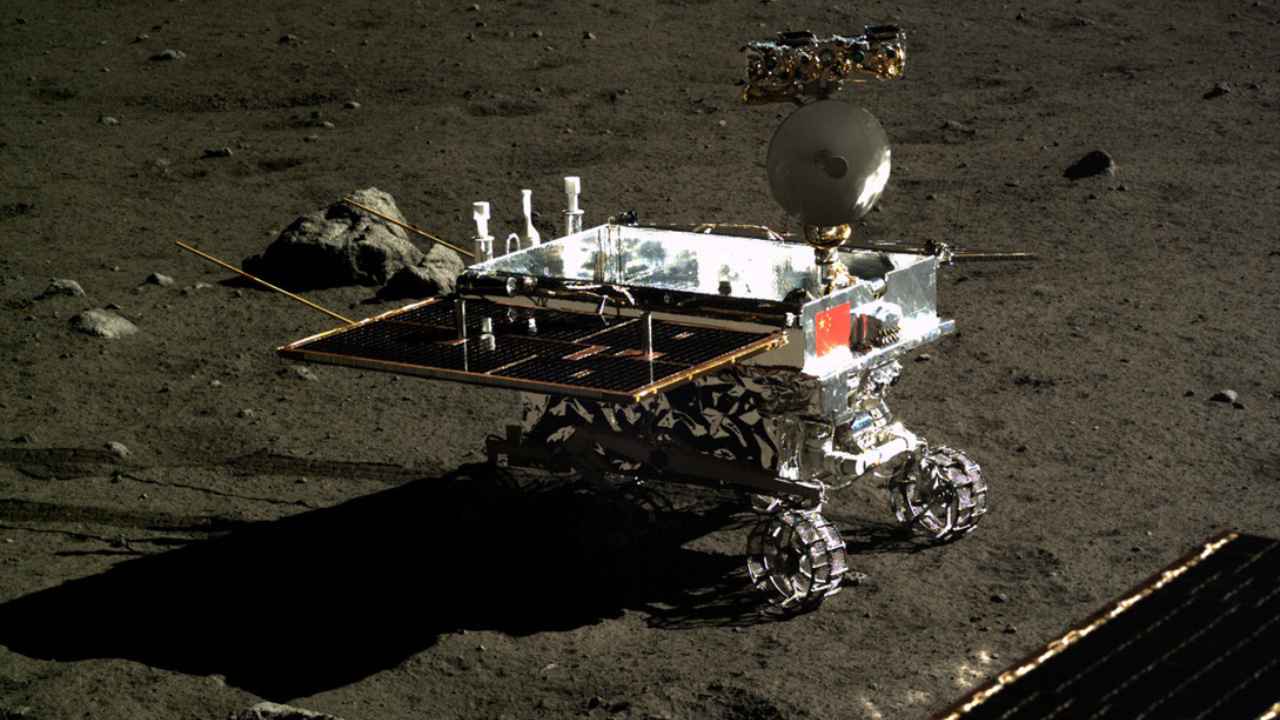
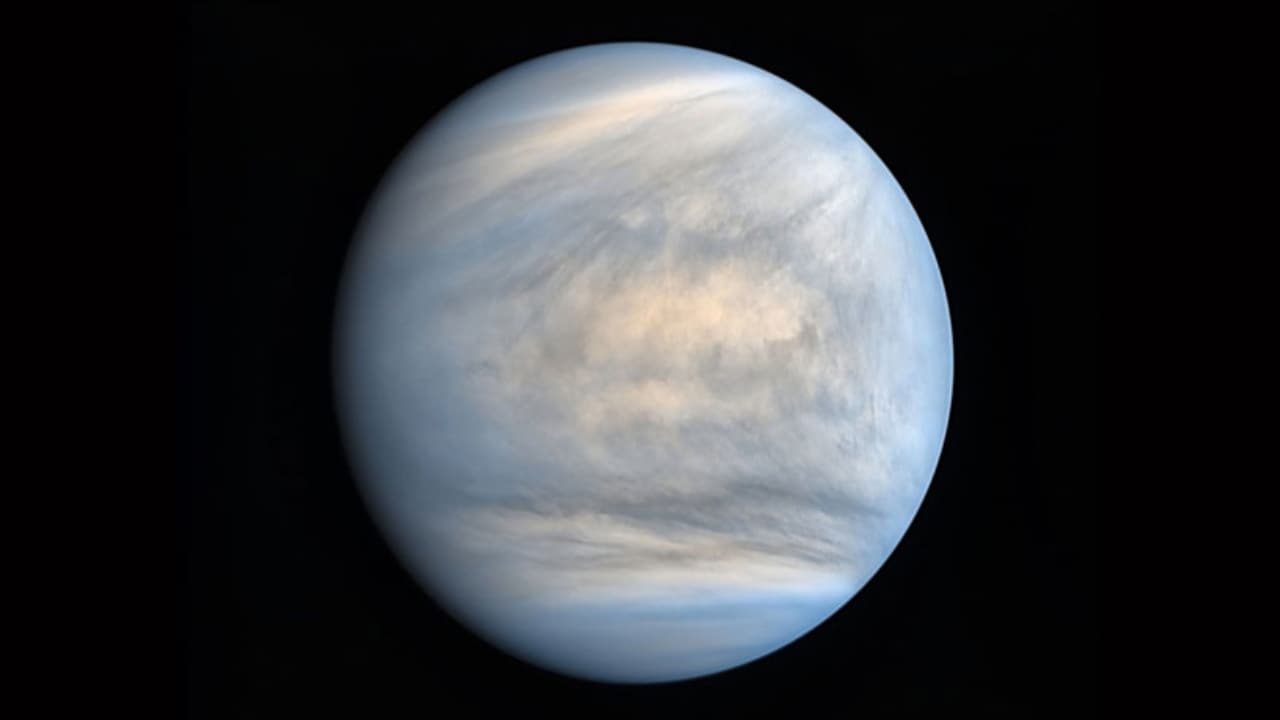
2023-2025: Shukrayaan mission to Venus
Our neighbouring planet Venus is often described as Earth's 'twin sister' due to similarities in their sizes, densities, composition and gravity. Some theories suggest both planets share a common origin, forming at the same time from the same condensing swirl of gas and dust all those 4.5 billion years ago. Being 30 percent closer to the Sun than the Earth, Venus has a much higher exposure to solar radiation, effects of solar flares and other solar phenomena, which makes it an object of interest for ISRO to study.
Late 2020s: EXPOSat Planetary exploration
The EXPOSat mission appears to be a follow-up to the AstroSAT mission, ISRO's multi-wavelength X-ray astronomy observatory studying X-ray sources in the universe. Considering the great success of AstroSAT, the EXPOSat mission will further explore X-rays in the universe — specifically, the polarisation of bright X-ray sources in our universe.
2023: India's Space Station
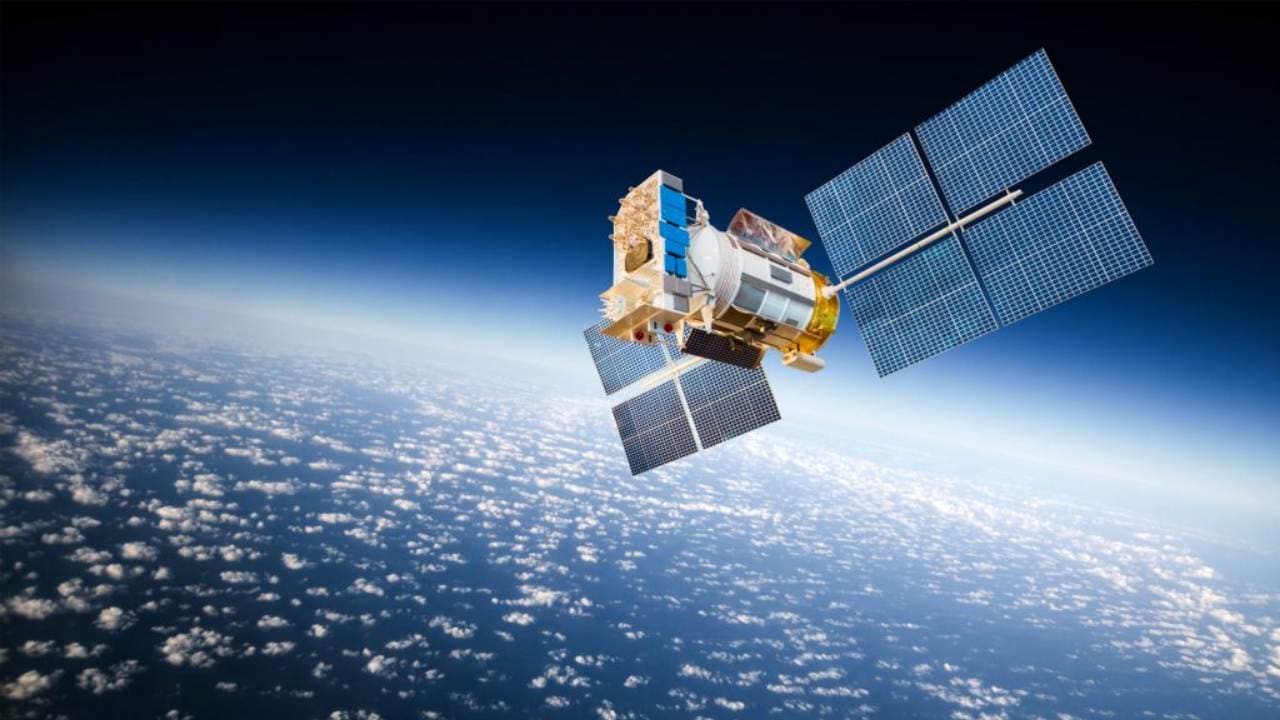
Another plan in the pipeline is a space station that will be built by India. Currently, the International Space Station is the only functioning one but it is supposed to be winding up by 2028. The proposed station will weigh 15-20 tonnes and will be able to host people for 15-20 days. It will be used to conduct microgravity tests said Kailasavadivoo Sivan the chairperson of ISRO to Business Standard.The space station according to Sivan is a logical extension of the RS 10,000 crore Gaganyaan mission that will be sending human beings to space in 2022.The timeline for the mission is five to seven years which should be a challenge but ISRO has been developing the necessary technologies like the space docking technology that should keep it on track said Ajay Lele, a senior fellow at the Institute for Defence Studies and Analyses.(Also read: India plans to have an orbiting space station by 2030 — here's what we can expect)
 More from Science
Careless Whispers: Scientists discover that plants can 'talk' to each other using smells
Life on Mars? European Space Agency’s Orbiter discovers ice water deposits at equator
Microsoft briefly overtakes Apple as the most valuable company, Apple back on top again
Even NASA is facing a tough time, starts layoffs following major budget cuts
ISRO, NASA's NISAR satellite to get ready by Jan-end, will monitor Earth's snow-covered regions