


Softer coral reefs to replace hard corals that are likely to go extinct due to climate change
It is the sea’s acidity and ion composition that decided which kind of Anthozoa will be flourishing in the given area.

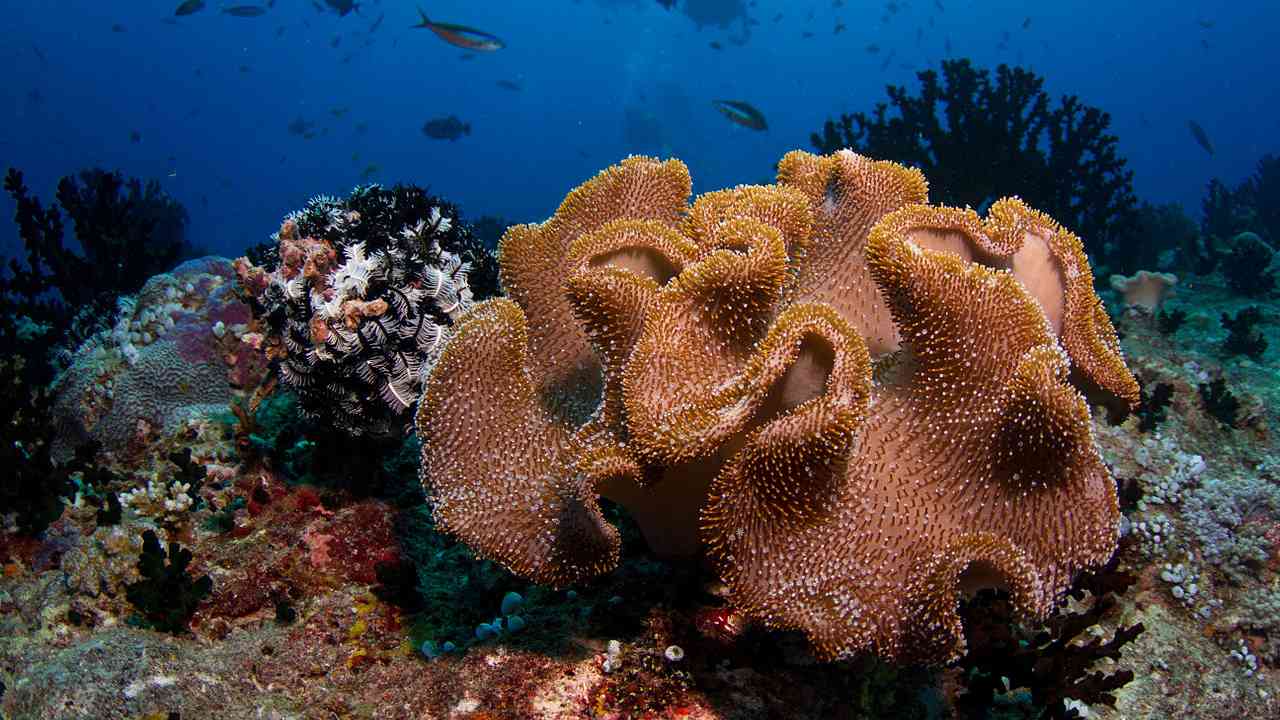
Anemones and corals have existed on the earth for 770 million years. Image credit: Wikipedia/ Tchami[/caption]A research team led by scientists from Harvey Mudd College, the American Museum of Natural History and the Smithsonian's National Museum of Natural History used a new molecular method to examine the genetic history of coral species from hundreds of museum specimens across the world. They discovered that anemones and corals have existed on the earth for 770 million years. However, the oldest known fossil of the class is relatively very young, dating back to only 250 million years.The scientists examined how past conditions of the ocean and the earth have affected the diversity of anthozoan beings revealed a media release. It was the sea’s acidity and ion composition that decided which kind of Anthozoa will be flourishing in the given area.While the hard corals used minerals from the water to construct hard skeletons (using a form of calcium carbonate known as aragonite), other types of corals such like the sea fans and black corals build their softer skeletons using protein or calcite. Lastly, the sea anemones have no skeleton at all. This explained the newer existence of the fossils. Acidification of the water is likely to dissolve aragonite, thereby not letting the hard corals grow.Lead author of the study, Dr Andrea Quattrini, said that corals have suffered extinction in the past and the only way to protect them now is to “curb our carbon emissions”.

Careless Whispers: Scientists discover that plants can 'talk' to each other using smells
Life on Mars? European Space Agency’s Orbiter discovers ice water deposits at equator
Microsoft briefly overtakes Apple as the most valuable company, Apple back on top again
Even NASA is facing a tough time, starts layoffs following major budget cuts
ISRO, NASA's NISAR satellite to get ready by Jan-end, will monitor Earth's snow-covered regions