


Scientists use mouse stem cells to move closer to creating artificial embryos
The early stages of embryo development are when a large proportion of pregnancies are usually lost.

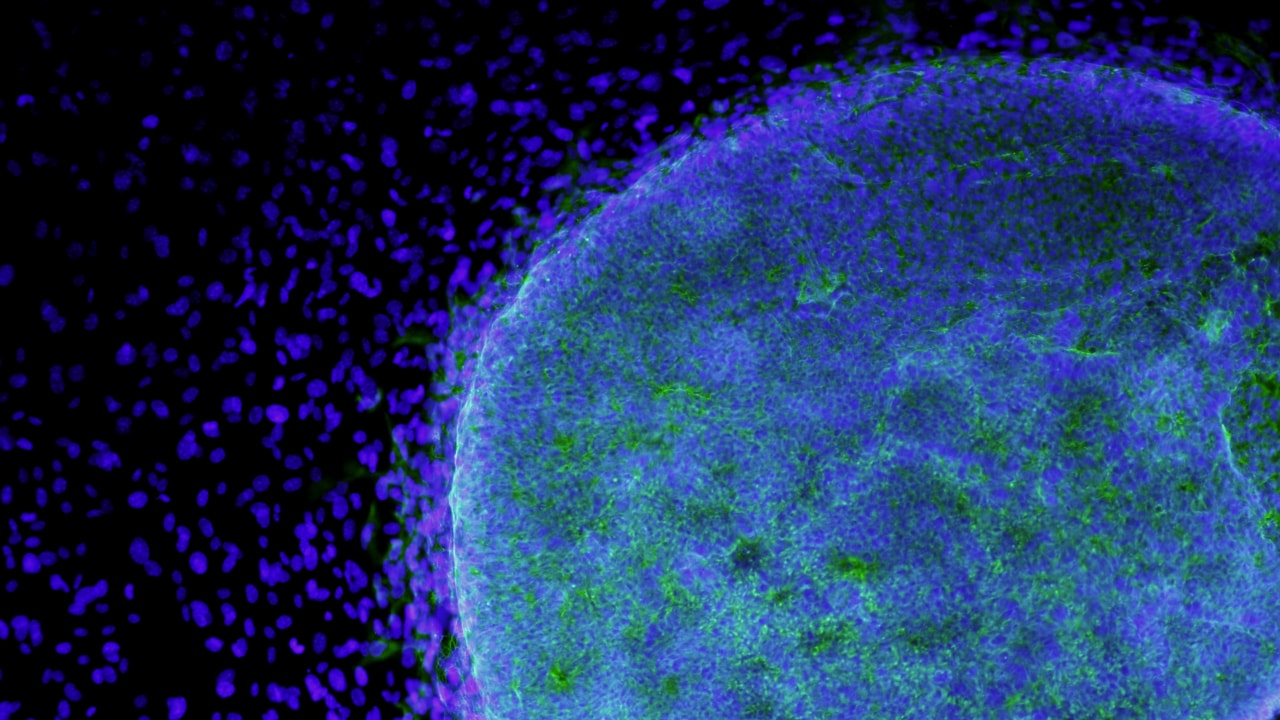
Representational image. Reuters[/caption]“Our artificial embryos underwent the most important event in life in the culture dish,” Zernicka-Goetz said in a statement about the work. “They are now extremely close to real embryos.”She said the team should now be better able to understand how the three stem cell types interact to enable embryo development. And by experimentally altering biological pathways in one cell type, they should be able to see how this affects the behaviour of the other cell types.“The early stages of embryo development are when a large proportion of pregnancies are lost and yet it is a stage that we know very little about,” said Zernicka-Goetz.“Now we have a way of simulating embryonic development in the culture dish, so it should be possible to understand exactly what is going on during this remarkable period in an embryo’s life, and why sometimes this process fails.”Christophe Galichet, a senior research scientist at Britain’s Francis Crick Institute who was not directly involved in this work, agreed that the results held promise.“While (this study) did not use human stem cells, it is not too far-fetched to think the technique could one day be applied to studying early human embryos,” he said in an emailed comment.“These self-assembled human embryos would be an invaluable tools to understand early human development.”

Careless Whispers: Scientists discover that plants can 'talk' to each other using smells
Life on Mars? European Space Agency’s Orbiter discovers ice water deposits at equator
Microsoft briefly overtakes Apple as the most valuable company, Apple back on top again
Even NASA is facing a tough time, starts layoffs following major budget cuts
ISRO, NASA's NISAR satellite to get ready by Jan-end, will monitor Earth's snow-covered regions