


Scientists solve the mystery of green icebergs that are only seen in Antarctica
In theory, green icebergs may be crucial to the health of oceans vast distances from them.

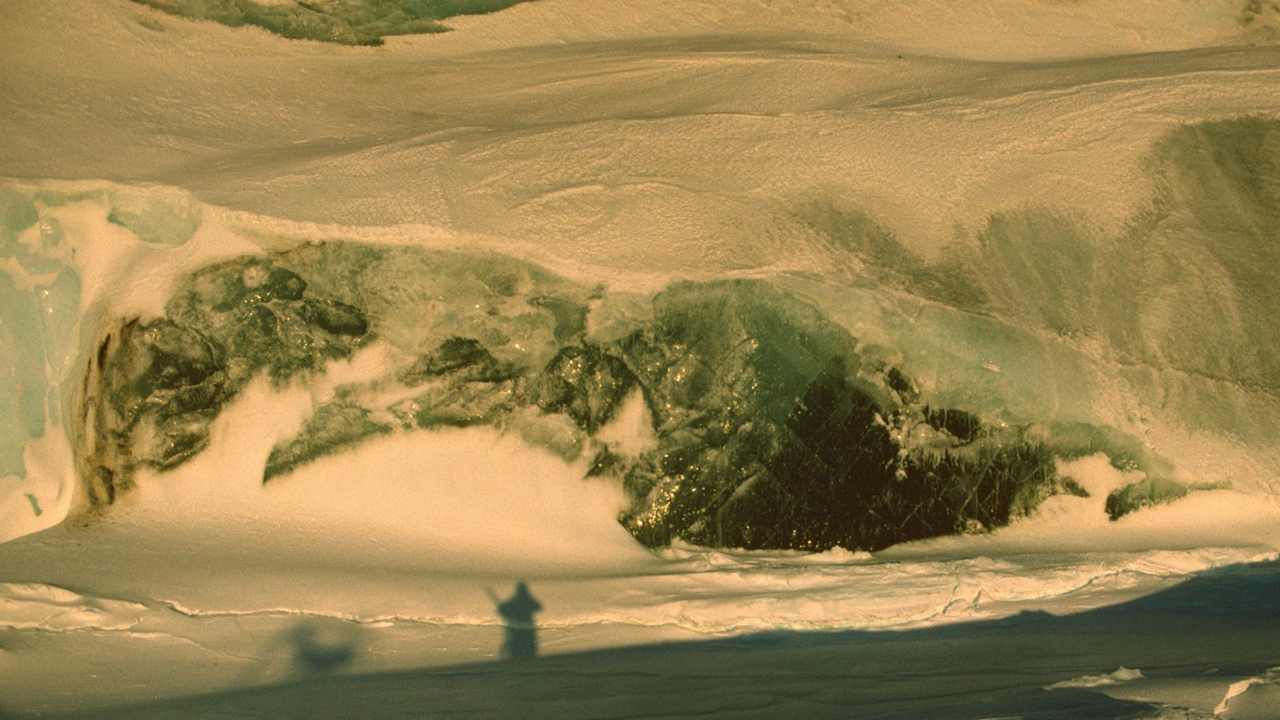
A close-up image of an iceberg near Mawson Station, from November 1988. Much of it covered by snow, at the far left is bubbly blue-white glacier ice. The centre of the picture shows the clear, dark green, bubble-free marine ice. The boundary between glacier ice and marine ice is nearly vertical. Image credit: Warren et al[/caption]"Iron is a key nutrient for phytoplankton, microscopic plants that form the base of the marine food web. But iron is scarce in many areas of the ocean," the researchers told Science News on Tuesday.The team plans to collect more samples to carry out more studies and prove their theory right. If they do, it would mean that green icebergs are ferrying precious iron from Antarctica’s mainland to the open sea when they break off, providing this key nutrient to the base organisms that supports all forms of life."If our theory proves correct, green icebergs could be more important than scientists thought," the team told Science News.

Careless Whispers: Scientists discover that plants can 'talk' to each other using smells
Life on Mars? European Space Agency’s Orbiter discovers ice water deposits at equator
Microsoft briefly overtakes Apple as the most valuable company, Apple back on top again
Even NASA is facing a tough time, starts layoffs following major budget cuts
ISRO, NASA's NISAR satellite to get ready by Jan-end, will monitor Earth's snow-covered regions