


Scientists should connect with people, target socioeconomic applications: PM Modi
The PM emphasised the need to bridge the arts, humanities & social sciences with science & technology.

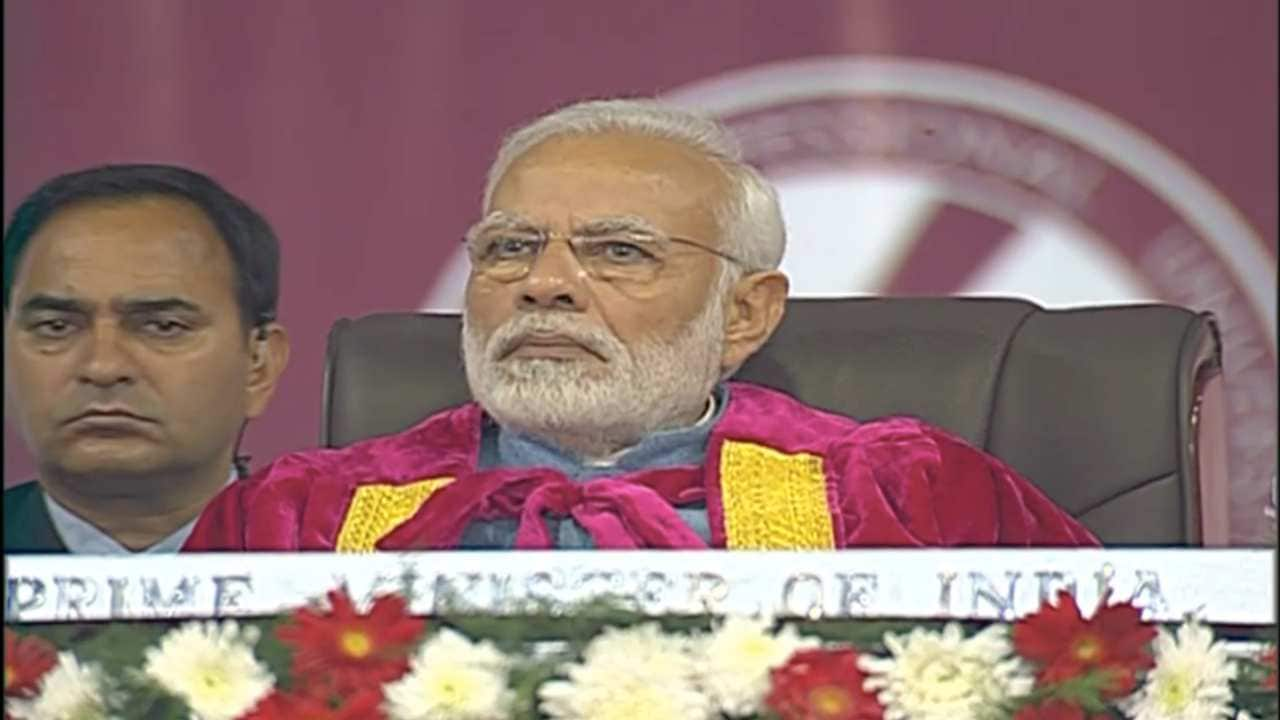
PM Modi at the inaugural ceremony of the Indian Science Congress, 2019 in Jalandhar, Punjab. Image: YouTube/PMOIndia[/caption]The Prime Minister urged scientists to work for time-bound solutions for drought management in low rainfall areas, early warning systems for natural disasters, tackling of malnutrition and diseases like encephalitis that affect children, besides cybersecurity and cleaner energy and drinking water.Mr Modi emphasised the need for creation of stronger pathways for better commercialisation of research and development outputs of scientific institutions and a research system that fused arts and humanities and social sciences with science and technology.He drew the attention recently launched Prime Minister’s Research Fellows Scheme under which 1000 bright minds from the best institutions in the country are being offered direct admission to PhD programmes in Indian Institutes of Technology and the Indian Institute of Science.Minister for science and technology Dr Harsh Vardhan paid tributes to the contributions made by Hargobind Khorana, Birbal Sahni, Kalpana Chawla and other scientists from Punjab.The Congress, with the theme of ‘Future India: Science and Technology’, will feature a range of plenary sessions, invited talks as well as special sessions for women scientists and school children. The participants include three Nobel laureates and top science policy makers, administrators and scientists.

Careless Whispers: Scientists discover that plants can 'talk' to each other using smells
Life on Mars? European Space Agency’s Orbiter discovers ice water deposits at equator
Microsoft briefly overtakes Apple as the most valuable company, Apple back on top again
Even NASA is facing a tough time, starts layoffs following major budget cuts
ISRO, NASA's NISAR satellite to get ready by Jan-end, will monitor Earth's snow-covered regions