


Scientists explain strange behaviour of gut bacteria resistant to TB drugs
Bifidobacteria, which is resistant to tuberculosis drugs, has intrigued scientists for long.

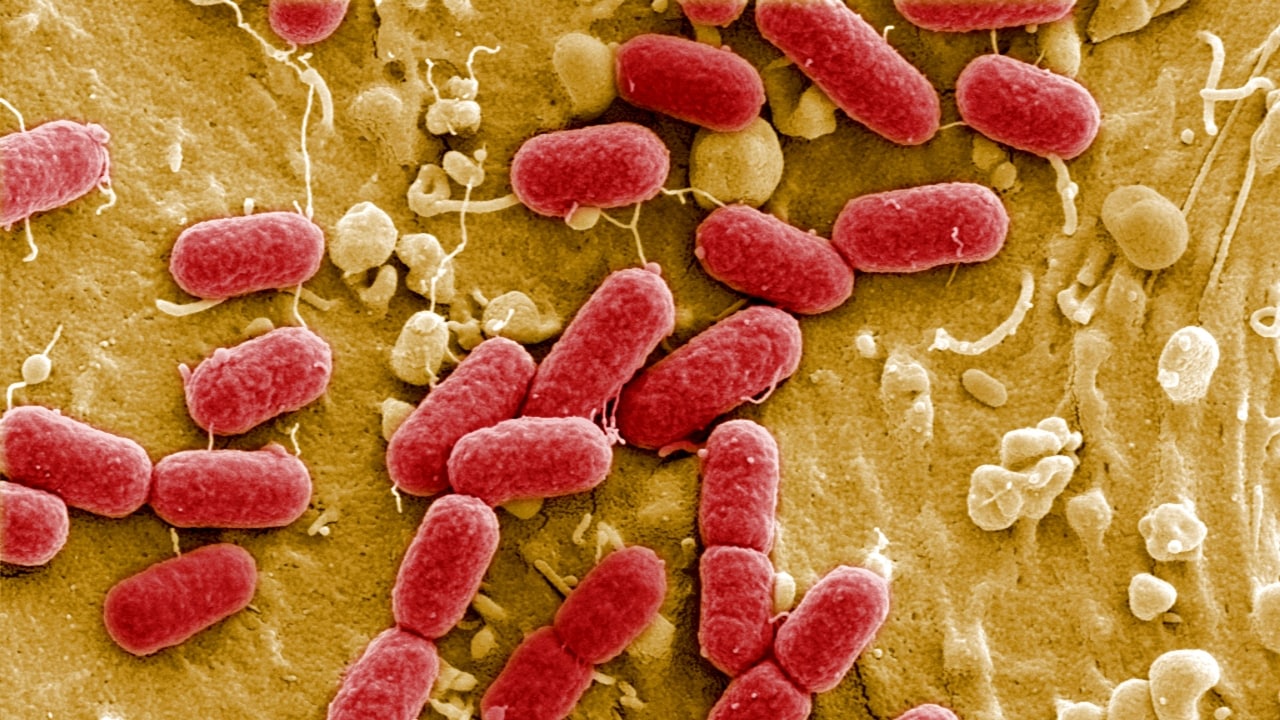
Representational Image. Reuters[/caption]“We looked at the beta subunit of RNA polymerase gene in bifidobacteria to see if any mutations there contribute to the intrinsic resistance to the commonly used TB drugs, rifampicin, isoniazid, streptomycin and pyrazinamide,” explained Dr Rajagopal Kammar, who led the research, while speaking to India Science Wire.Changes in the RNA polymerase beta subunit are responsible for resistance in tuberculosis-causing bacteria. The researchers found the same mechanism active in bifidobacteria too. However, further tests showed that the genes are present on chromosomes rather than on plasmids.“Generally, antibiotic resistance genes are present on plasmids which can shift between different types of bacteria growing together. But resistant genes found in chromosomes do not easily. We found that resistance of bifidobacteria is due to genes on chromosomes and not on plasmids, and are not easily transferable,” said Rajagopal.The finding alleviates the fear that use of probiotic prescriptions containing bifidobacteria could spread drug resistance among other microbes too. At present, health regulations stipulate that probiotic foods have to be tested for any resistant organisms for the fear that they might spread resistance to other bacteria too.Besides Dr Kammar, the team included Dhanashree Lokesh and Dr Raman Parkesh, from CSIR-Institute of Microbial Technology, Chandigarh.The study has been published in Nature Scientific Reports.

Careless Whispers: Scientists discover that plants can 'talk' to each other using smells
Life on Mars? European Space Agency’s Orbiter discovers ice water deposits at equator
Microsoft briefly overtakes Apple as the most valuable company, Apple back on top again
Even NASA is facing a tough time, starts layoffs following major budget cuts
ISRO, NASA's NISAR satellite to get ready by Jan-end, will monitor Earth's snow-covered regions