


Scientists discover worms that have been napping for 40,000 years in Siberia
The intact nematodes were kept in isolation and over the next few weeks, the researchers spotted flickers of life.

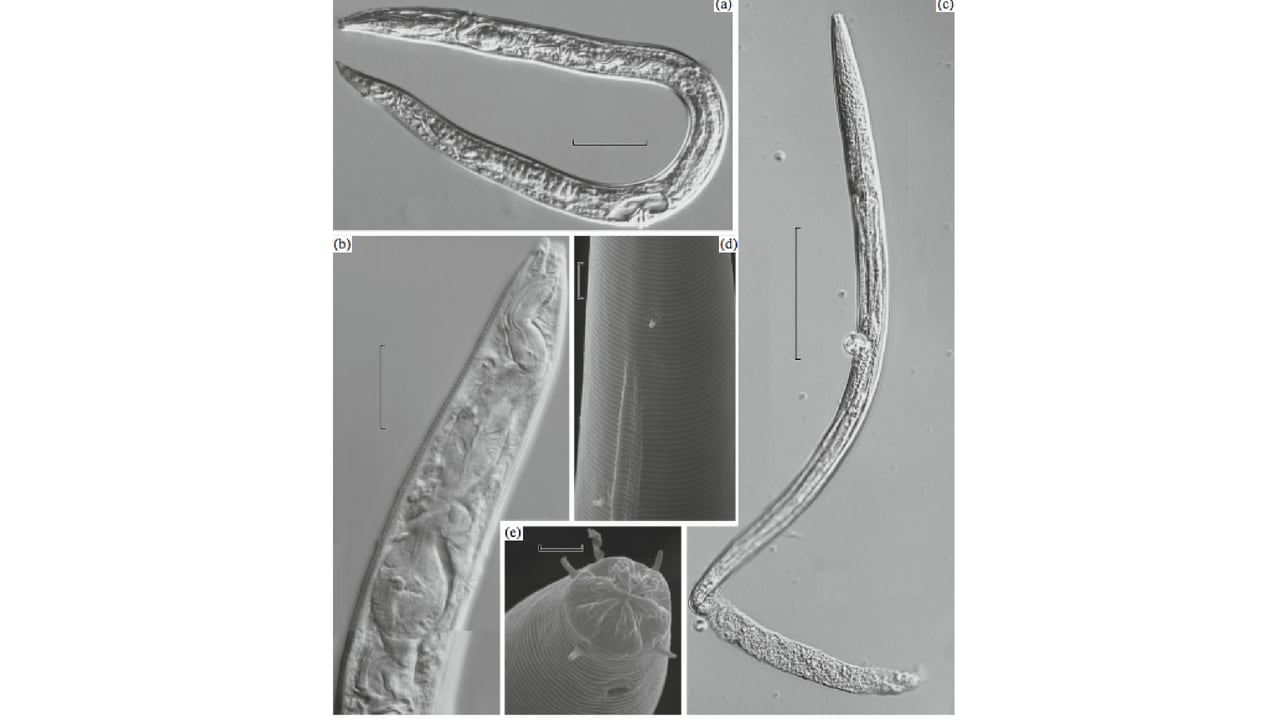
The nematodes isolated from Pleistocene permafrost deposits of the Kolyma River Lowland. Image courtesy: Springer Link[/caption]According to a report in Gizmodo, the worms were taken out from the frozen soil in Kolyma River Lowlands in northeastern Siberia. More than 300 samples of frozen soil were pulled out, out of which 2 samples held the worms. One of them belonging to the genus Panagrolaimus were from a buried squirrel burrow which dated back 32,000 years and the other from genus Plexus were from a glacier dating back 40,000 years.The intact nematodes were then isolated and over the next few weeks, the researchers spotted flickers of life. These samples were kept at 20 degrees Celsius (68 Fahrenheit) and were left in a petri dish surrounded by food.The worms ate the food and even developed new family members. These new, cloned family members were then cultured separately and they too thrived.Contamination of the worms can't be ruled out, but the researchers say that they maintained strict sterility procedures. Also, the researchers argue that it is impossible for the new-age nematodes to wriggle their way 100 feet and 15 feet down where the ice samples were buried.Even though this might not be the first time that organisms have been revived. According to the report in Science Alert scientists have pulled out spores from Bacillus bacteria which were hidden inside 250 million-year-old salt crystals and bring them back to life.But nothing has previously been seen on a scale quite like this.There has been no indication yet of these worms presenting any danger to the people. But the melting of permafrost could release pathogens which have been locked up in such cold environments for tens of thousands of years.Let's just hope that the melting of Siberia's ice gives us only these napping worms to worry about.

Careless Whispers: Scientists discover that plants can 'talk' to each other using smells
Life on Mars? European Space Agency’s Orbiter discovers ice water deposits at equator
Microsoft briefly overtakes Apple as the most valuable company, Apple back on top again
Even NASA is facing a tough time, starts layoffs following major budget cuts
ISRO, NASA's NISAR satellite to get ready by Jan-end, will monitor Earth's snow-covered regions