


Scientists discover a network of lakes beneath the largest glacier in East Antartica
Researchers undertake seismic studies to find out if there is bedrock or water.

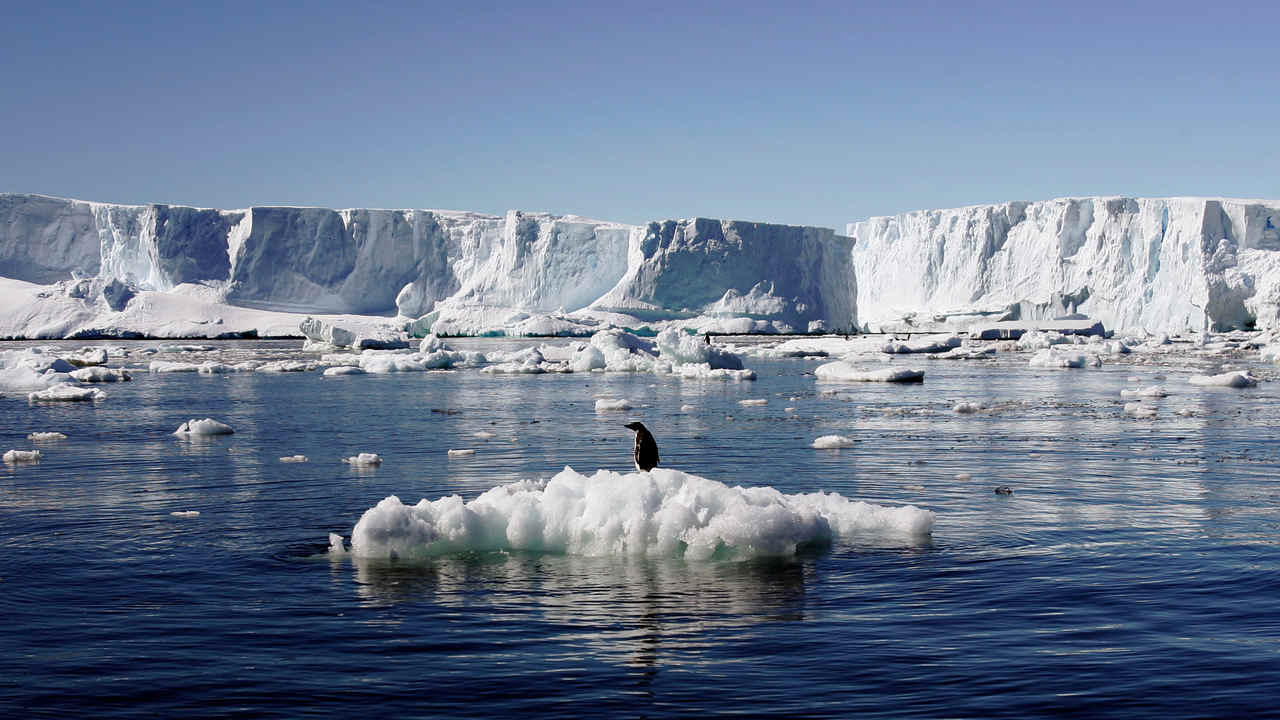
Representational image of East Antartica. Image: Reuters[/caption]"This study has shown us for the first time that there are substantial amounts of water contained in subglacial lakes, not far from the ocean, that we know very little about," said Galton-Fenzi.The flow of water in and out of these lakes has the potential to exert a powerful control on the rate that the ice flows into the oceans.The seismic study involved setting off a series of small explosions at about two metres below the surface of the glacier."These explosions sent out sound waves, which then echoed off different layers in the ice and bedrock," said Galton-Fenzi."We placed geophones along the surface of the glacier to listen to the reflected sound, giving us a picture of what lies beneath the ice," he said.The Totten Glacier catchment, which is 30 kilometres wide and up to two kilometres thick, has the potential to raise sea levels by seven metres, but more research is needed to accurately predict the rate at which this could occur.This summer season more than 550 expeditioners travelled south with the Australian Antarctic Program working on more than 56 projects.

Careless Whispers: Scientists discover that plants can 'talk' to each other using smells
Life on Mars? European Space Agency’s Orbiter discovers ice water deposits at equator
Microsoft briefly overtakes Apple as the most valuable company, Apple back on top again
Even NASA is facing a tough time, starts layoffs following major budget cuts
ISRO, NASA's NISAR satellite to get ready by Jan-end, will monitor Earth's snow-covered regions