


Rice paddies give out twice as much in greenhouse gases than previously thought
Emissions of nitrous oxide from rice farming in India could be 30–45 times above reported levels.

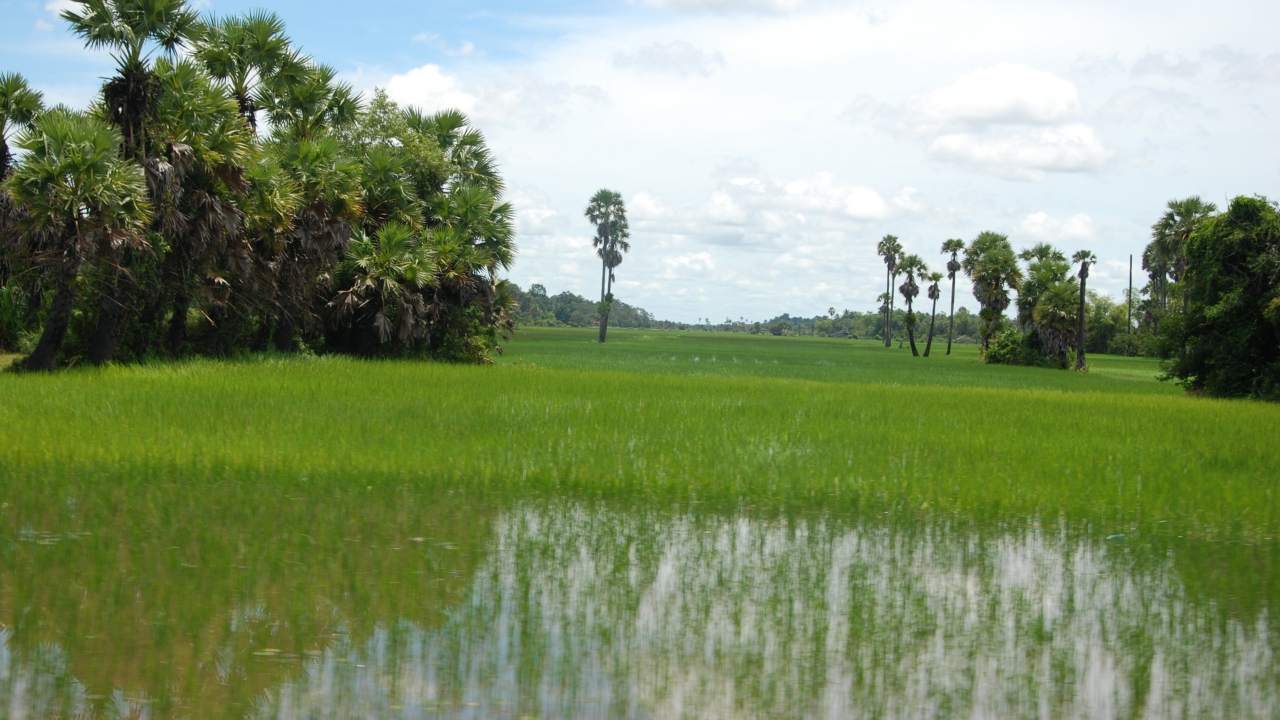
Representational image. Flickr[/caption]200 coal plantsCurrently, the amount of global unaccounted-for N2O emissions from rice may be as high as the annual climate pollution from about 200 coal power plants, according to the authors.In India alone, where the study took place across five intermittently flooded rice fields, nitrous oxide emissions "could be 30–45 times higher than reported under continuous flooding," researchers estimated.Overall, they calculated that nitrous oxide per hectare (2.5 acres) was three times higher than ever reported by research on intermittently flooded farms before."When this new information is extrapolated across the world and embedded into estimates of methane emissions, the net climate impact from both methane and nitrous oxide could be two times higher than previous estimates," Kritee said.Experts say a better way would be for all irrigated rice farmers to shallowly flood their fields, meaning the water level stays within five to seven centimeters of the soil level."This flooding regime produces the least amount of methane and nitrous oxide," Kritee said.As of now, N2O from rice-growing simply isn't being tracked on a broad scale, and is left out of greenhouse gas inventories reported to the United Nations by major rice-producing countries including China and India.But as water becomes scarcer around the globe, many rice farmers may look to wet and dry cycles as a solution, not knowing the danger they are posing to the planet.To avoid that, scientists need better tracking and reporting of N2O worldwide, the EDF said.

Careless Whispers: Scientists discover that plants can 'talk' to each other using smells
Life on Mars? European Space Agency’s Orbiter discovers ice water deposits at equator
Microsoft briefly overtakes Apple as the most valuable company, Apple back on top again
Even NASA is facing a tough time, starts layoffs following major budget cuts
ISRO, NASA's NISAR satellite to get ready by Jan-end, will monitor Earth's snow-covered regions