


Researches identify the 'zombie' gene that protects elephants from cancer
Researchers are finding a way that may also pave way for treating cancer in humans.

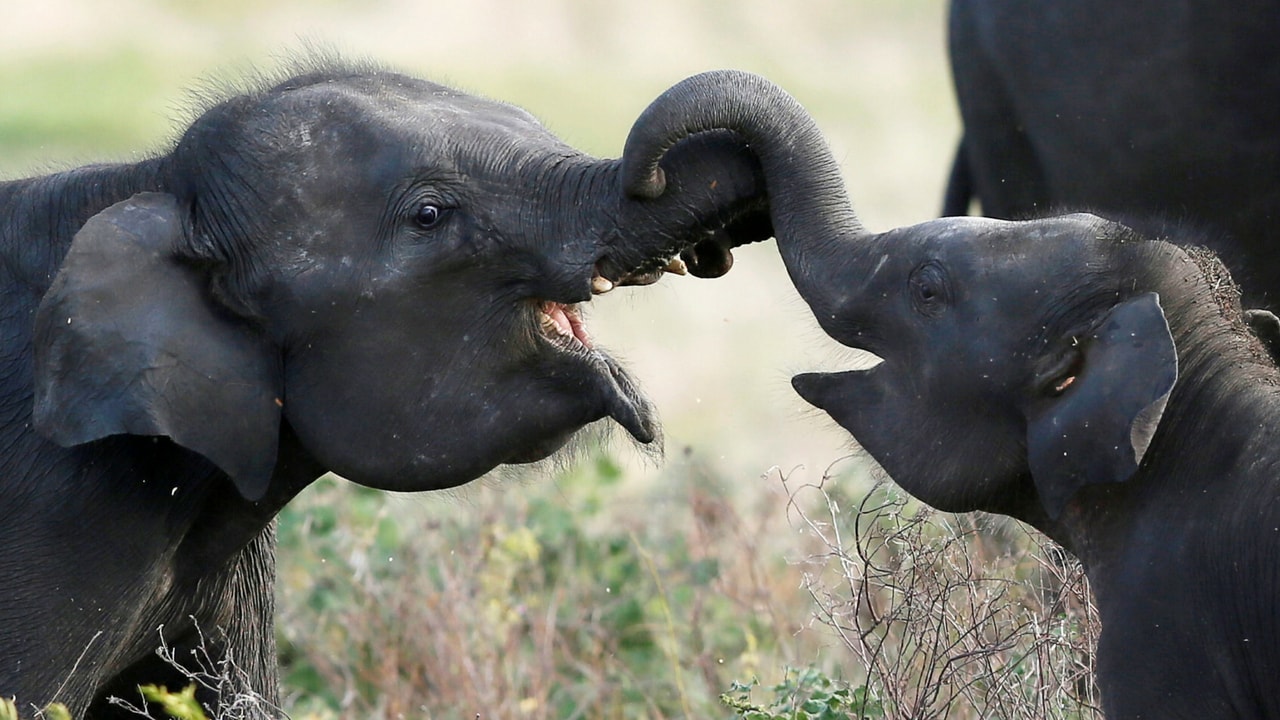
Representational image.[/caption]Moreover, the elephants also have an anti-cancer gene called leukaemia inhibitory factor 6 (LIF6) that returned from the dead.LIF6's function, when activated by p53, is to respond to damaged DNA by killing the cell."Genes duplicate all the time," said Vincent Lynch, assistant professor at the varsity."Sometimes they make mistakes, producing non-functional versions known as pseudogenes. We often refer to these dismissively as dead genes," Lynch added.The LIF6 gene makes a protein that goes, quite rapidly, to the mitochondria — the cell's main energy source. That protein pokes holes in the mitochondria, causing the cell to die."Hence, zombie," Lynch said."This dead gene came back to life. When it gets turned on by damaged DNA, it kills that cell, quickly. This is beneficial because it acts in response to genetic mistakes, errors made when the DNA is being repaired. Getting rid of that cell can prevent subsequent cancer,"he noted, in the paper appearing journal Cell Reports.Elephants have eight LIF genes, but only LIF6 is known to be functional.This defunct gene seems to have emerged around the time when the fossil record indicates that the small groundhog-sized precursors of today's elephants began to grow bigger, Lynch said.This started about 25 to 30 million years ago. This supplementary method of suppressing cancer may have been a key element enabling enormous growth, which eventually led to modern elephants.Exactly how LIF6 induces apoptosis, however, remains unclear. This will be "the focus of continued studies", the researchers said.

Careless Whispers: Scientists discover that plants can 'talk' to each other using smells
Life on Mars? European Space Agency’s Orbiter discovers ice water deposits at equator
Microsoft briefly overtakes Apple as the most valuable company, Apple back on top again
Even NASA is facing a tough time, starts layoffs following major budget cuts
ISRO, NASA's NISAR satellite to get ready by Jan-end, will monitor Earth's snow-covered regions