


Researchers make a massive map of changes that our brain undergoes as an infant
The results could spur other studies looking into the causes for some deadly childhood cancers.

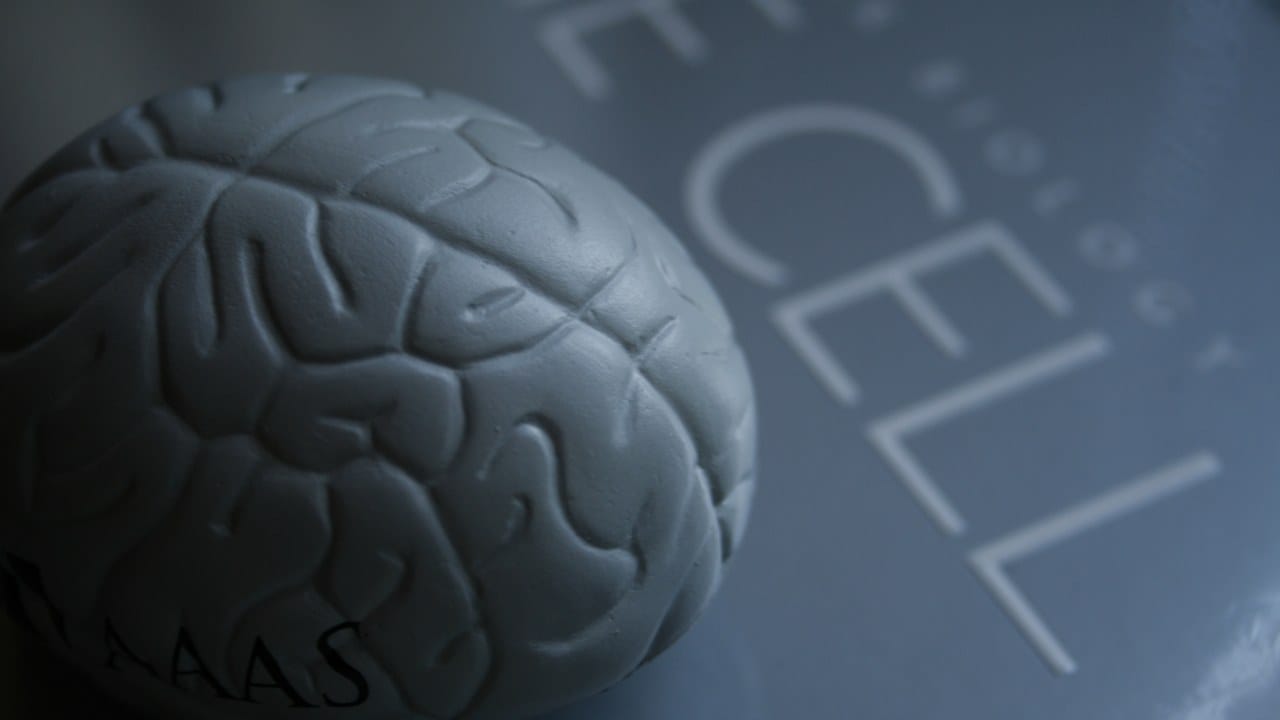
Representational image. Flickr[/caption]Their focus on cells of the cerebellum is a strategic one.While the cerebellum occupies just about 10% of the brain’s volume, it houses nearly half of all the nerve cells in the central nervous system (brain and spinal cord), the press release said.Of particular interest to them was how the circuits of neurons in this region grow and interconnect after birth. A sound understanding of how these processes happen, and the genes involved would open up areas of research into the genetic origins of many brain disorders during early development in humans.It could also enable studies looking at underlying causes for deadly childhood cancers like medulloblastoma (a brain tumour that begins in the embryonic stages), astrocytoma (in which ‘glial cells’ found in the brain and spinal cord become cancerous), and ependymoma (a paediatric forms of cancer that turns ‘ependymal cells’ that line the skull cancerous)."Since most brain tumors in young children occur in the cerebellar region, this will help us identify the cells of origin for different brain tumors and brain tumor subtypes," Charles Gawad, a co-author of the study and researcher at the hospital, said to university press.The product of their research is freely available for other researchers to access in an online database called Cell Seek.

Careless Whispers: Scientists discover that plants can 'talk' to each other using smells
Life on Mars? European Space Agency’s Orbiter discovers ice water deposits at equator
Microsoft briefly overtakes Apple as the most valuable company, Apple back on top again
Even NASA is facing a tough time, starts layoffs following major budget cuts
ISRO, NASA's NISAR satellite to get ready by Jan-end, will monitor Earth's snow-covered regions