


Rapid deforestation, meat production driving climate crisis, says IPCC in UN report on land use
As of today, systems aren't in place for climate change policies and practises to be seamlessly integrated.

Humankind-land-climate interaction needs better monitoring
A third of the world's land that isn't locked away under several feet of ice is used for food, feed, fibre, timber and energy. In the post-industrial decades, available land has faced growing human pressure. Land, while an important "part of the solution, cannot do it all".Limiting temp rise beyond 1.5 degrees or even 2 degrees Celsius will mean capturing carbon dioxide from the atmosphere. In response to human and natural stresses, land surface air temperatures have risen twice as fast as global average temperatures – already exceeding the 1.5-degree limit set by the Paris Agreement, according to the report. Water scarcity, wildfires and thawing permafrost are all contributing to lower capacity of land to store carbon, and only decrease further in its capacity over time.[caption id="attachment_7132781" align="alignnone" width="1280"]
Land is facing growing pressure from people. However, it is part of the solution. But land can't do it all. Image credit: UNCCD[/caption]With its dual role as a source (emitter) and a sink (sponge) of carbon emissions, land plays a crucial role in climate change action. But better land-use alone won't do any good, the panel said in a press conference on Thursday. By delaying decarbonisation (actively removing carbon dioxide from the air) and shifting mitigation to the land sector, the negative impacts of climate and food insecurity will be far less dangerous, particularly in developing nations.Investments made to reduce poverty are an important consideration for developing nations including India. These efforts, too, are tied to better patterns of land-use. The report highlights the importance of efforts addressing poverty to make well-considered decisions about how land can be used keeping one eye on its long-term carbon footprint.
More desertification & degradation of land
Desertification – the degradation of land in arid, semi-arid, and dry not-so-humid regions of the world is another current concern brought up by the report. Some of the regions most affected by this process are South & East Asia, North Africa and the Middle East. Areas with arid, dry and sub-humid climate are expanding in these regions, while polar ice caps are shrinking. People living in these already-desertified and rapidly-desertifying regions are suffering the blunt end of climate change's most urgent impacts, the report states.[caption id="attachment_7132821" align="alignnone" width="1280"]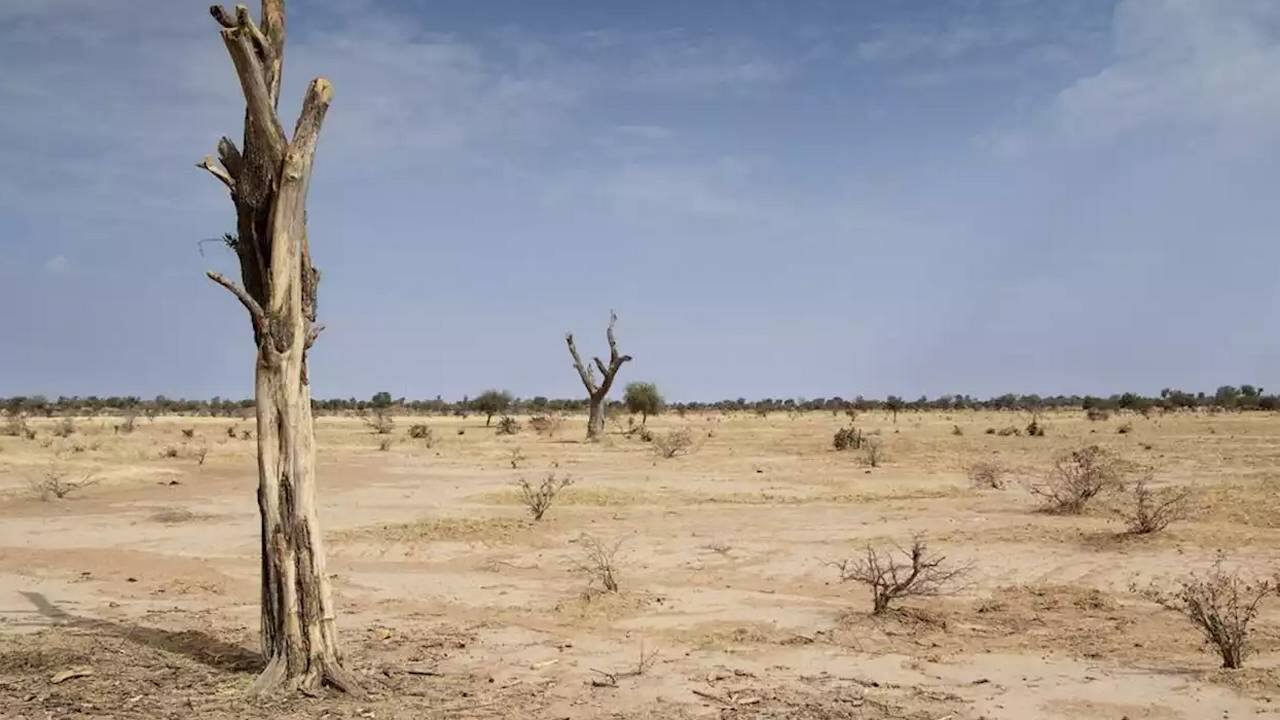
Desertification. image credit: Flickr/TREEAID[/caption]The challenge of desertification isn't simply about changing land use – it also amplifies global warming. Decreasing tree and forest cover also means a lesser capacity for a land area to absorb and retain carbon dioxide. With increasing warming, the frequency, intensity, and duration of heatwaves and other heat-related events are expected to continue increasing through the 21st century. What's more, growing population and economic development in developing nations will drive an increase in consumption of food, feed, fibre, timber and energy – all of which require an unprecedented amount of land and freshwater.Land cannot be used twice. Degradation, particularly in low-lying coastal areas, river deltas, drylands and in permafrost areas is driving a long-term reduction and loss of at least one of the following: biological productivity, ecological integrity, or value to humans, the report says.
Threats to food security needs
Stable food supplies in many regions have already taken a beating due to the impacts of climate change. Warming, changing precipitation patterns, and more frequent extreme weather events are directly linked to this decline. In some parts of the world, like lower-latitude regions, yields of crops like maize and wheat have declined, while the same crops are more productive in higher latitudes over recent decades, the report highlights.Currently, 25-30 percent of all the food produced is lost or wasted, the report says.A stable supply of food will decrease further as the magnitude and frequency of extreme weather events goes up, disrupting food chains across the world. More carbon dioxide in the atmosphere can also lower the nutritional quality of crops.[caption id="attachment_7132861" align="alignnone" width="1280"]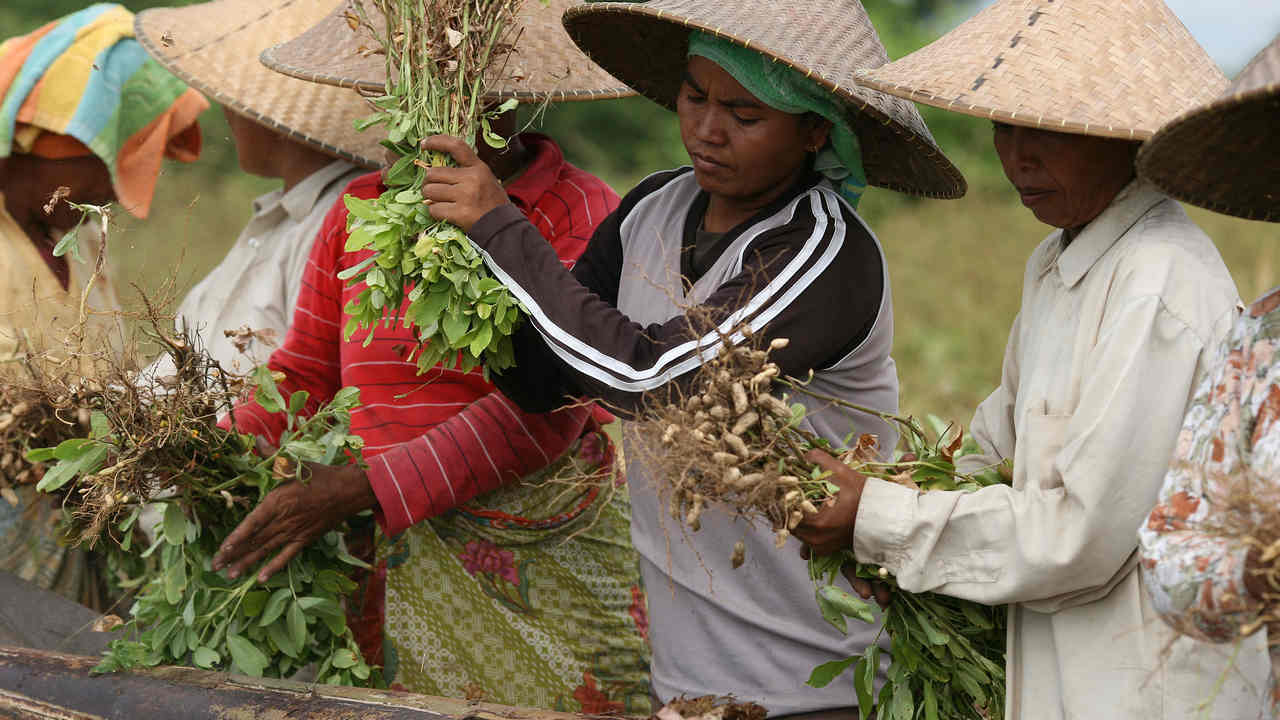
food supplies in many regions have already taken a beating due to the impacts of climate change. Image credit: Flickr/Department of Foreign affairs and trade.[/caption]The IPCC panel also addressed the changing trends in the younger generation to explore alternatives, like a switch to vegetarianism. The fact, as they put it, is that some diets need more land and water. Scientific data suggests that a diet rich in plant-based food, grains, and nuts is far less stressful on land than meat. The need of the hour is a modified food system that can be adapted to a changing environment. This, according to the report, needs to be done preemptively, and also requires a fair amount of land management."The global food system, freshwater systems and biodiversity are being pushed to the brink," the report cites. The first step in remedying this, it adds, will be to change course right away by protecting carbon-rich ecosystems like primary forests.
Governance and Government
The level of risk posed by climate change depends both on the level of warming and on how population, consumption, production, technological development, and land management patterns evolve.As of today, systems aren't in place for policies and practise to be seamlessly integrated. Farmers and high-level members of the UN that oversee agriculture don't communicate and coordinate enough for policies to be rolled out in time for action.Another Special Report from the IPCC is due for release on 25 September – an assessment of climate change impacts on world's oceans and polar ice caps.

Careless Whispers: Scientists discover that plants can 'talk' to each other using smells
Life on Mars? European Space Agency’s Orbiter discovers ice water deposits at equator
Microsoft briefly overtakes Apple as the most valuable company, Apple back on top again
Even NASA is facing a tough time, starts layoffs following major budget cuts
ISRO, NASA's NISAR satellite to get ready by Jan-end, will monitor Earth's snow-covered regions