


Raindrop size can help identify habitable planets beyond the solar system: Study
The shape of raindrops helps in determining the falling speed which varies depending on the thickness of surrounding air and gravity.

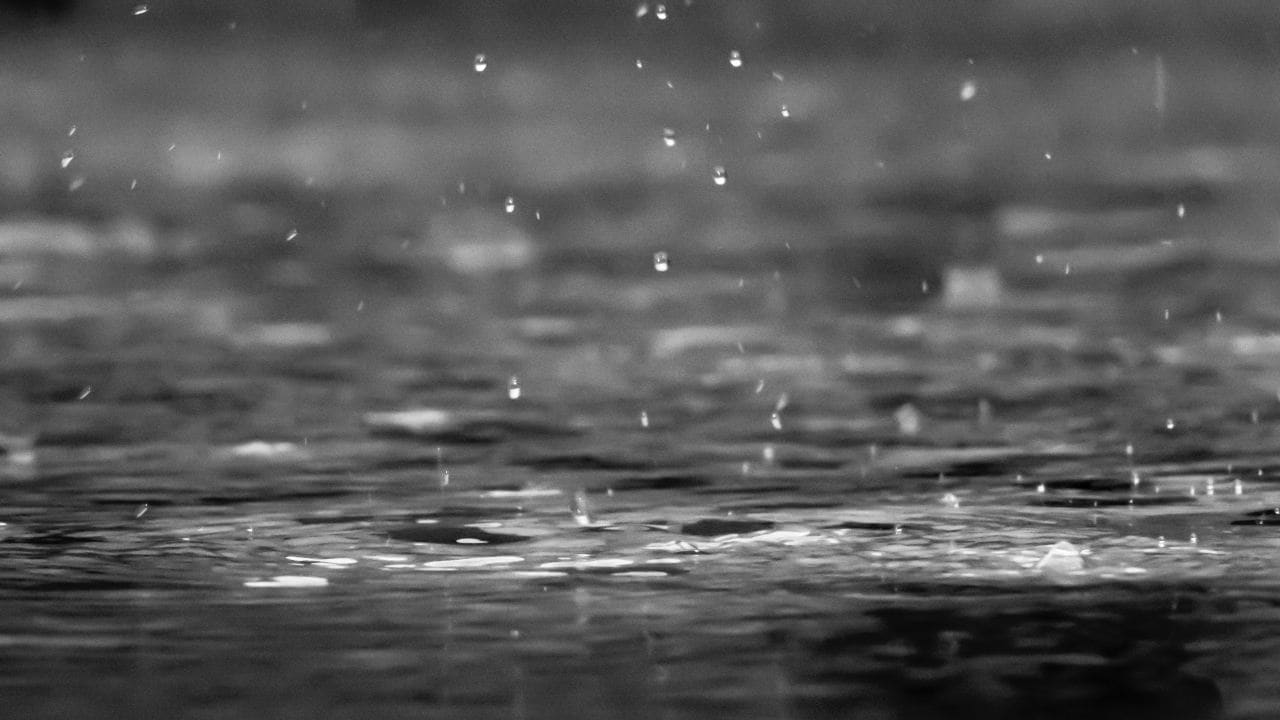
The shape of raindrops helps in determining the falling speed which varies depending on the thickness of surrounding air and gravity.[/caption]Robit Wordsworth, the senior author of the paper, said, “If we understand how individual raindrops behave, we can better represent rain in complex climate models”.Wordsworth and Kaitlyn Loftus, the lead authors of the paper, have recognized a Goldilocks zone for raindrop size using the drop shape, evaporation speed, and falling speed. The study uses these three properties to find out that, within a cloud, only a small fraction of raindrop sizes can reach the surface of the planet.According to NASA, Earth is the blueprint for life on other planets. In order to find life, astronomers look for Earth-like characteristics, like liquid water. It needs to be just the right distance from its sun because if it is too close or too far, the water will either freeze or evaporate. The 'Goldilocks Zone a.k.a habitable zone, is the range of distance with the right temperatures for water to remain liquid.If the size is too small, the raindrop will evaporate even before hitting the planet. While, if it's too big, the raindrop will be destroyed because of the insufficient surface tension, whether it's water, methane, or something more unique like superheated, liquid iron found on an exoplanet called WASP-76b.According to Loftus, “We can use this behaviour to guide us as we model cloud cycles on exoplanets."The shape of raindrops helps in determining the falling speed which varies depending on the thickness of surrounding air and gravity. The study further states that the raindrops have a spherical shape when small, however, they become more squashed after growing larger.

Careless Whispers: Scientists discover that plants can 'talk' to each other using smells
Life on Mars? European Space Agency’s Orbiter discovers ice water deposits at equator
Microsoft briefly overtakes Apple as the most valuable company, Apple back on top again
Even NASA is facing a tough time, starts layoffs following major budget cuts
ISRO, NASA's NISAR satellite to get ready by Jan-end, will monitor Earth's snow-covered regions