


Protective immunity against novel coronavirus may last for over eight months, new study claims
The study also clarifies some concerning data from other institutes that showed a dramatic drop in COVID-fighting antibodies in the months post-infection.

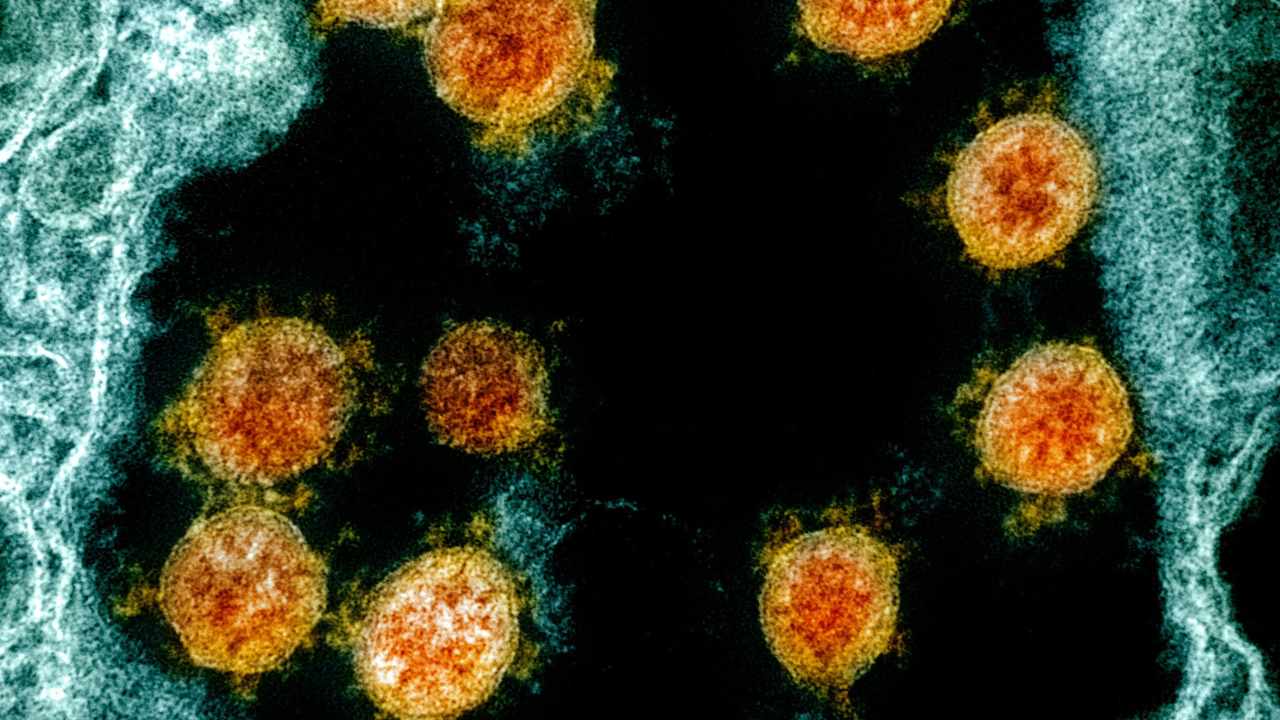
Transmission electron micrograph of SARS-CoV-2 virus particles (orange) isolated from a patient. Image Credit: NIH[/caption]The SARS-CoV-2 virus uses its "spike" protein to initiate infection of human cells, so the researchers looked for memory B cells specific for the SARS-CoV-2 spike.They found that spike-specific memory B cells actually increased in the blood six months after infection."COVID-19 survivors also had an army of T cells ready to fight reinfection. Memory CD4+ "helper" T cells lingered, ready to trigger an immune response if they saw SARS-CoV-2 again," the researchers said.Many memory CB8+ "killer" T cells also remained, ready to destroy infected cells and halt a reinfection, they said."The different parts of the adaptive immune systems work together, so seeing COVID-fighting antibodies, memory B cells, memory CD4+ T cells and memory CD8+ T cells in the blood more than eight months following infection is a good sign," said LJI Professor Shane Crotty."This implies that there's a good chance people would have protective immunity, at least against serious disease, for that period of time, and probably well beyond that," Crotty said.However, the researchers cautioned that protective immunity does vary dramatically from person to person.They saw a 100-fold range in the magnitude of immune memory."People with a weak immune memory may be vulnerable to a case of recurrent COVID-19 in the future, or they may be more likely to infect others," the researchers said.

Careless Whispers: Scientists discover that plants can 'talk' to each other using smells
Life on Mars? European Space Agency’s Orbiter discovers ice water deposits at equator
Microsoft briefly overtakes Apple as the most valuable company, Apple back on top again
Even NASA is facing a tough time, starts layoffs following major budget cuts
ISRO, NASA's NISAR satellite to get ready by Jan-end, will monitor Earth's snow-covered regions