


Prolonged travel in space can make the human brain bigger, change its functions a study found
The authors said that chronic exposure to intracranial pressure during spaceflight is a possible factor, the exact cause is unknown.

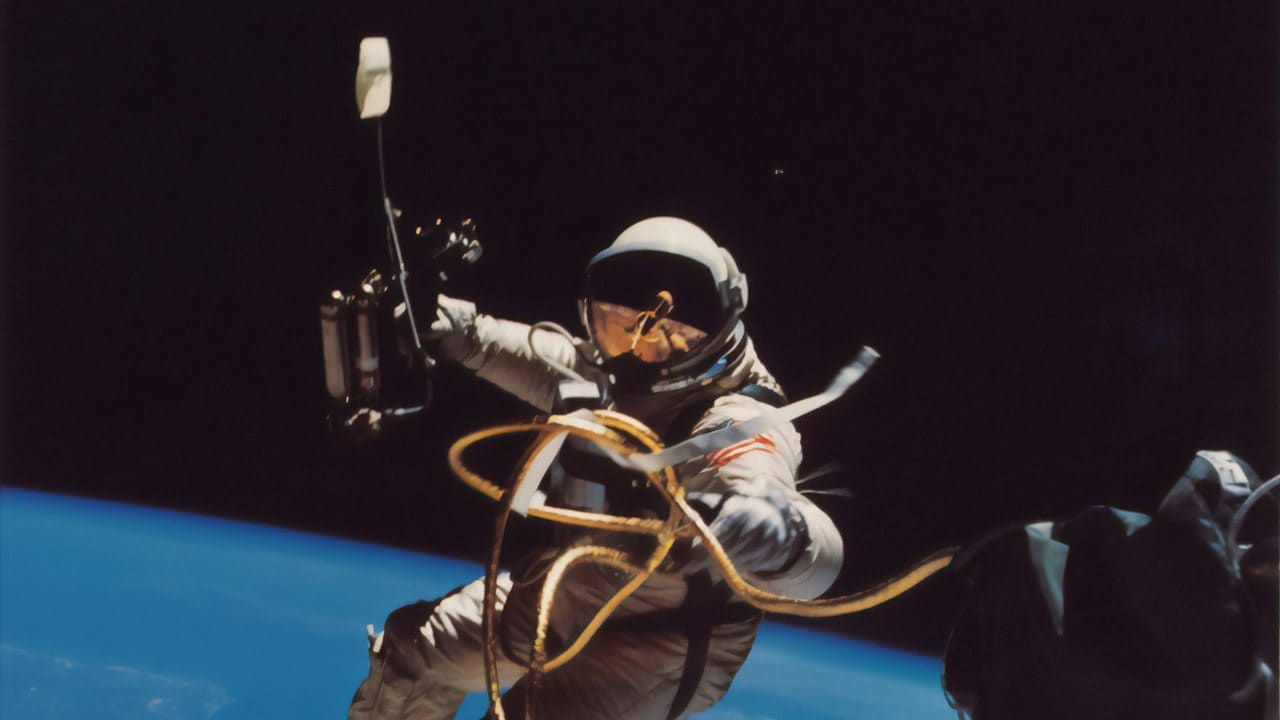
Long-duration spaceflight missions may develop changes in the brain's structure and function.[/caption]As per the study, astronauts who are on long-duration spaceflight missions may develop changes in the brain structure and function, which can remain for years after return to normal gravity.Study authors have added that while chronic exposure to intracranial pressure during spaceflight is a possible factor, the exact causes remain unknown.Researchers performed MRI brain scans on 11 astronauts before they spent time on the International Space Station. On their return, the astronauts were scanned again and the images of both scans were compared.It was found that areas of the brains of the astronauts had physically expanded in space.Lead author of the study Larry A. Kramer said that when one is in microgravity, fluids such as blood no longer moves towards the lower extremities but rather redistributes headwords. “That movement of fluid toward your head may be one of the mechanisms causing changes we are observing in the eye and intracranial compartment,” he added.Researchers further found that the brain expansion persisted up to a year after the return of the astronauts.

Careless Whispers: Scientists discover that plants can 'talk' to each other using smells
Life on Mars? European Space Agency’s Orbiter discovers ice water deposits at equator
Microsoft briefly overtakes Apple as the most valuable company, Apple back on top again
Even NASA is facing a tough time, starts layoffs following major budget cuts
ISRO, NASA's NISAR satellite to get ready by Jan-end, will monitor Earth's snow-covered regions