


Octopus' arms may have a mind of their own, act independently of the brain
The suckers process sensory and motor information without waiting on the brain to give them commands.

A research studying the behaviour and neuroscience of octopuses suggests that the mollusc's arms may have minds of their own.A new model is the first attempt at a comprehensive representation of information flow between the octopus's suckers, arms, and brain, based on previous research in octopus neuroscience and behaviour, and new video observations conducted in the lab. The new research supported previous findings that octopus' suckers can initiate action in response to the information they acquire from their environment, coordinating with neighbouring suckers along the arm.
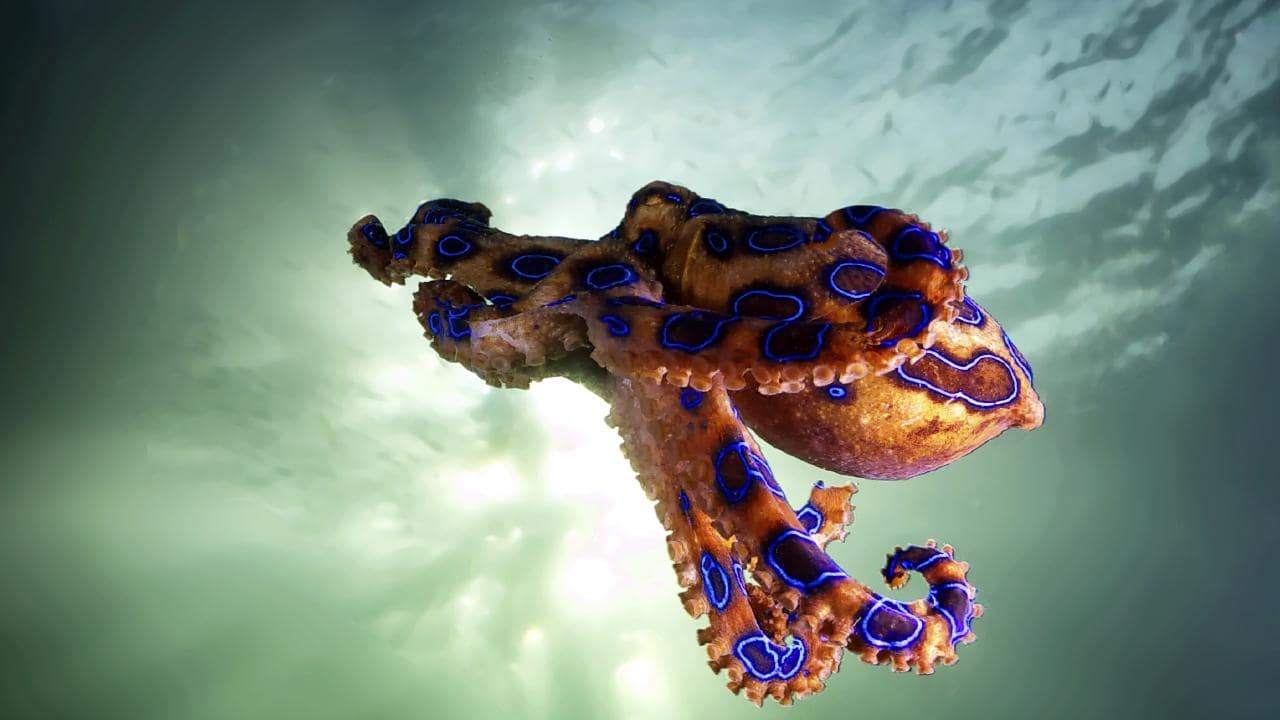
Representational image. Image courtesy: kidsnews.au[/caption]The arms then process sensory and motor information, and muster collective action in the peripheral nervous system, without waiting on commands from the brain.The result is a bottom-up, or arm-up, decision mechanism rather than the brain-down mechanism typical of vertebrates, like humans, according to the study which was presented at the Astrobiology Science Conference."One of the big picture questions we have is just how a distributed nervous system would work, especially when it's trying to do something complicated, like move through fluid and find food on a complex ocean floor. There are a lot of open questions about how these nodes in the nervous system are connected to each other," said David Gire, one of the researchers of the study.

Careless Whispers: Scientists discover that plants can 'talk' to each other using smells
Life on Mars? European Space Agency’s Orbiter discovers ice water deposits at equator
Microsoft briefly overtakes Apple as the most valuable company, Apple back on top again
Even NASA is facing a tough time, starts layoffs following major budget cuts
ISRO, NASA's NISAR satellite to get ready by Jan-end, will monitor Earth's snow-covered regions