


Number of sharks, rays have fallen more than 70 percent between 1970-2018
While climate change and pollution also imperil shark survival, increased fishing pressure is the greatest threat for every oceanic shark species.

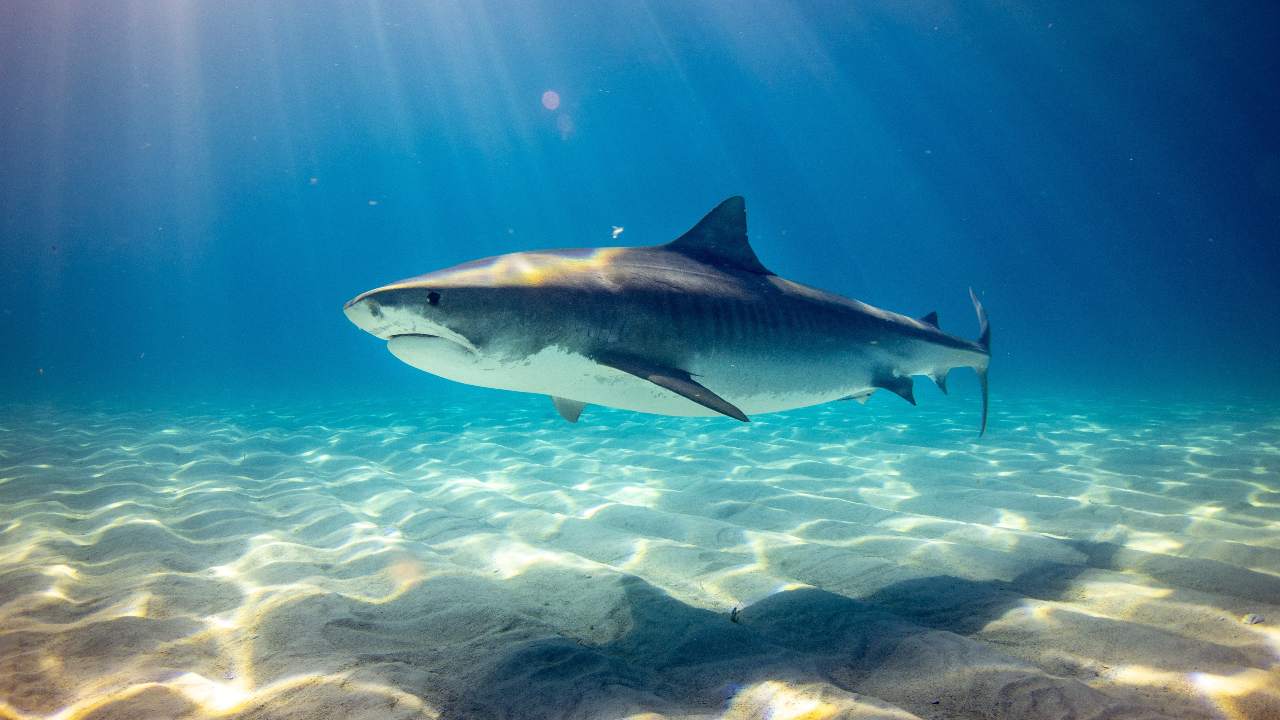
The last 50 years have been pretty devastating for global shark populations.[/caption]“You drop a fishing line in the open ocean, and often it’s sharks that are there first — whether or not they’re the primary target,” said Sandin, who works at the Scripps Institution of Oceanography.Scientists have known for decades that individual shark species are declining, but a new study drawing on 57 global datasets underscores just how dramatically worldwide populations have collapsed in the past half-century.Globally, the abundance of oceanic sharks and rays dropped more than 70 percent between 1970 and 2018, according to a study published Wednesday in the journal Nature.And 24 of the 31 species of sharks and rays are threatened with extinction, while three species — oceanic whitetip sharks, scalloped hammerhead sharks and great hammerhead sharks — are considered critically endangered.“The last 50 years have been pretty devastating for global shark populations,” said Nathan Pacoureau, a biologist at Simon Fraser University in Canada and a co-author of the study.Sometimes sharks are intentionally caught by fishing fleets, but more often they are reeled in incidentally as “ bycatch,” in the course of fishing for other species such as tuna and swordfish.Sharks and rays are both fish with skeletons made of cartilage, not bone. In contrast to most other kinds of fish, they generally take several years to reach sexual maturity, and they produce fewer offspring.“In terms of timing, they reproduce more like mammals – and that makes them especially vulnerable,” said Pacoureau. “Their populations cannot replenish as quickly as many other kinds of fish.”The number of fishing vessels trolling the open ocean has risen steeply since the 1950s, as engine power expanded ships’ range. And while climate change and pollution also imperil shark survival, increased fishing pressure is the greatest threat for every oceanic shark species.“When you remove top predators of the ocean, it impacts every part of the marine food web,” said Stuart Pimm, an ecologist at Duke University, who was not involved in the study. “Sharks are like the lions, tigers and bears of the ocean world, and they help keep the rest of the ecosystem in balance.”

Careless Whispers: Scientists discover that plants can 'talk' to each other using smells
Life on Mars? European Space Agency’s Orbiter discovers ice water deposits at equator
Microsoft briefly overtakes Apple as the most valuable company, Apple back on top again
Even NASA is facing a tough time, starts layoffs following major budget cuts
ISRO, NASA's NISAR satellite to get ready by Jan-end, will monitor Earth's snow-covered regions