


Not everything can be saved from climate change, tough decisions will be needed
From triage based plans to putting frameworks, metrics in place, here's what needs to be prioritised

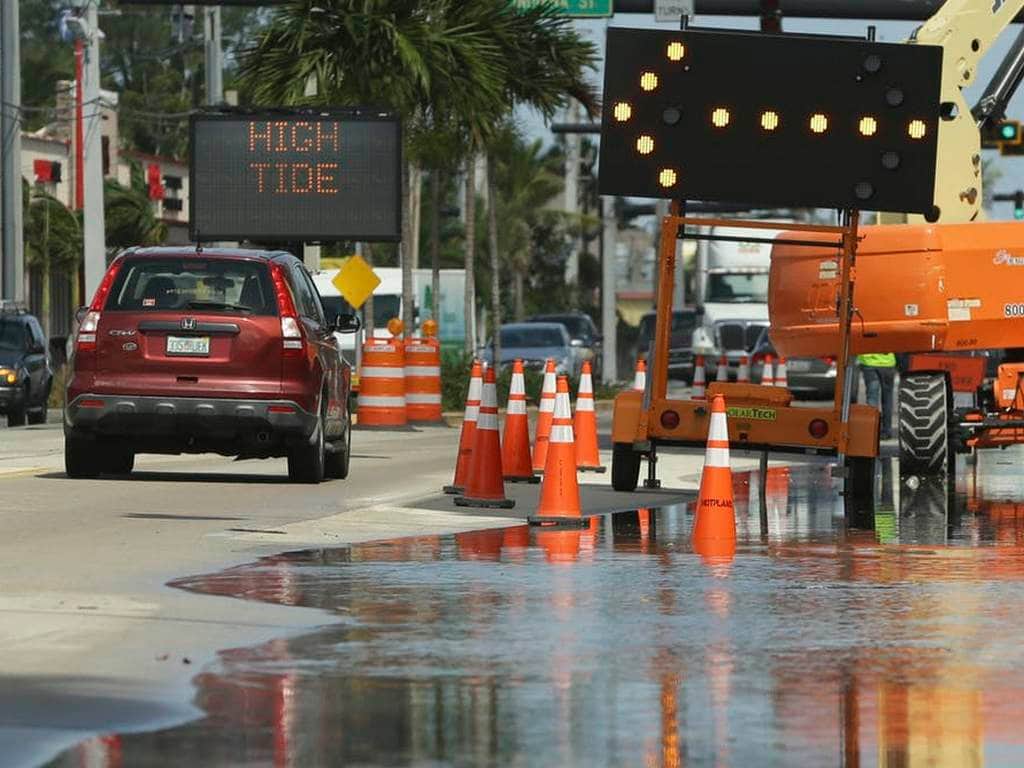
As these reports show, climate change is already occurring, with impacts that will become more intense for decades into the future. They also make clear that reducing greenhouse gas emissions from human activities to a level that would limit warming to 2 degrees Celsius (3.6 degrees Fahrenheit) or less above preindustrial levels will pose unprecedented challenges.Today, however, there is a large and growing gap between what countries say they’d like to achieve and what they have committed to do. As scholars focused on climate risk management and adaptation, we believe it is time to think about managing climate change damage in terms of triage.Hard choices already are being made about which risks society will attempt to manage. It is critically important to spend limited funds where they will have the most impact.
Triaging climate change
Triage is a process of prioritizing actions when the need is greater than the supply of resources. It emerged on the battlefields of World War I, and is widely used today in fields ranging from disaster medicine to ecosystem conservation and software development.The projected global costs of adapting to climate change just in developing countries range up to US$300 billion by 2030 and $500 billion by mid-century. But according to a recent estimate by Oxfam, just $5 billion to $7 billion was invested in projects specific to climate adaptation in 2015-2016.Triaging climate change means placing consequences into different buckets. Here, we propose three.The first bucket represents impacts that can be avoided or managed with minimal or no interventions. For example, assessments of how climate change will affect U.S. hydropower indicate that this sector can absorb the impacts without a need for costly interventions.The second bucket is for impacts that are probably unavoidable despite all best efforts. Consider polar bears, which rely on sea ice as a platform to reach their prey. Efforts to reduce emissions can help sustain polar bears, but there are few ways to help them adapt. Protecting Australia’s Great Barrier Reef or the Brazilian Amazon poses similar challenges.[caption id="attachment_5959491" align="alignnone" width="1024"]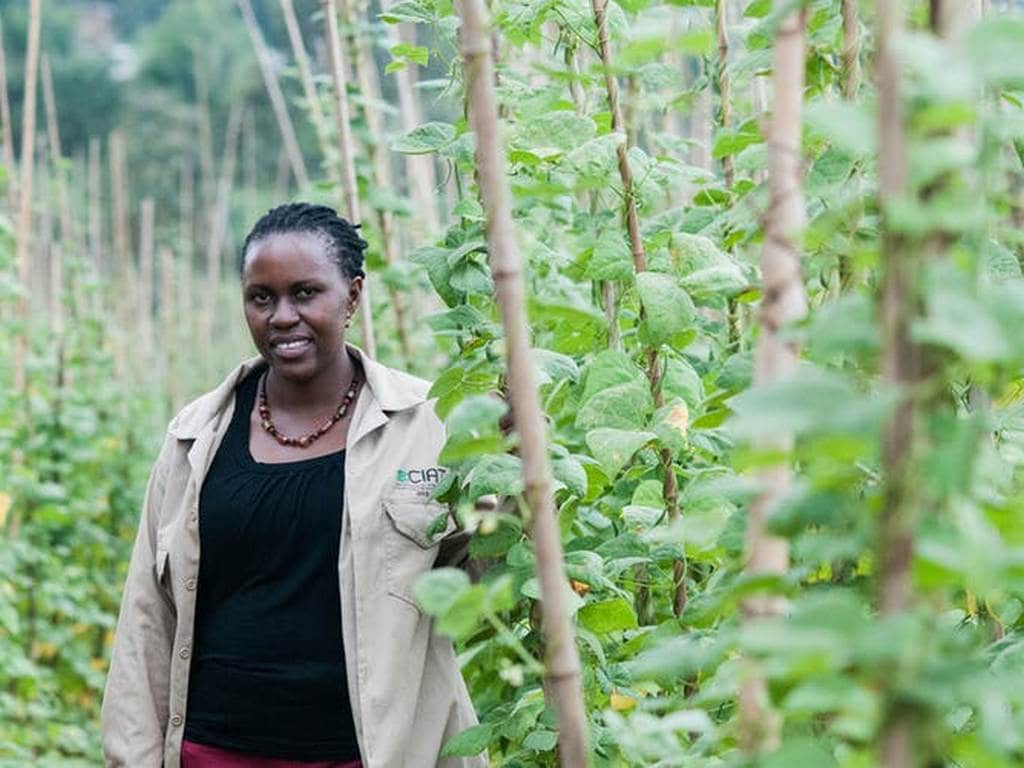
Clare Mukankusi breeds beans for a gene bank in Kawanda, Uganda, with properties including drought resilience to help farmers cope with extreme conditions. Image: Georgina Smith[/caption]The third bucket represents impacts for which practical and effective actions can be taken to reduce risk. For example, cities such as Phoenix, Chicago and Philadelphia have been investing for years in extreme heat warning systems and emergency response strategies to reduce risks to public health. There are a variety of options for making agriculture more resilient, from precision agriculture to biotechnology to no-till farming. And large investments in infrastructure and demand management strategies have historically helped supply water to otherwise scarce regions and reduce flood risk.In each of these cases, the challenge is aligning what’s technically feasible with society’s willingness to pay.
What triage-based planning looks like

Careless Whispers: Scientists discover that plants can 'talk' to each other using smells
Life on Mars? European Space Agency’s Orbiter discovers ice water deposits at equator
Microsoft briefly overtakes Apple as the most valuable company, Apple back on top again
Even NASA is facing a tough time, starts layoffs following major budget cuts
ISRO, NASA's NISAR satellite to get ready by Jan-end, will monitor Earth's snow-covered regions