


New design for artificial leaf absorbs 10 times more CO2 than natural leaves
The new design allows artificial leaves to function outdoors for the first time, just like real leaves do.

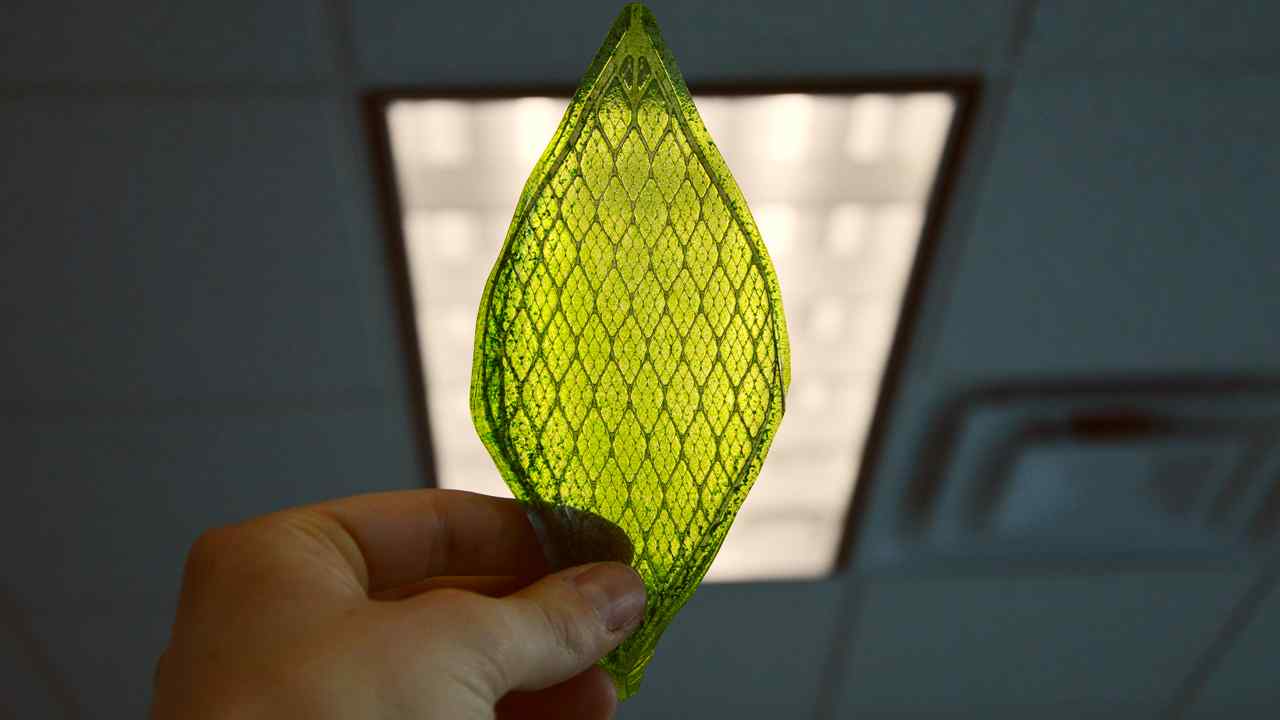
Representational image. Image courtesy: Silk Leaf[/caption]In the new design, traditional artificial leaves are enclosed by a capsule that is filled with water. The capsule's membrane is semi-permeable — very selective in allowing molecules to pass through it to the other side (i.e., the artificial leaf's interior).When this setup is placed in sunlight, the water in the capsule warms up and evaporates through the membrane. Simultaneously, the capsule also draws in carbon dioxide from outside the membrane to replace the evaporating molecules of water.As the bionic leaf siphons more carbon dioxide inside the membrane, it gets converted to carbon monoxide (CO) and oxygen. The CO can be captured from the device and used to create synthetic fuels like gasoline and methanol, and the oxygen released back into the environment.By enveloping the technology for an artificial leaf inside the specialised membrane, the whole setup can function outdoors just like a real leaf does, Maneesh Singh, the study's lead researcher said in a press release.“Our conceptual design uses readily available materials and technology, that when combined can produce an artificial leaf that is ready to be deployed outside the lab where it can play a significant role in reducing greenhouse gases in the atmosphere,” said Singh.The study's findings are published in the journal ACS Sustainable Chemistry & Engineering.

Careless Whispers: Scientists discover that plants can 'talk' to each other using smells
Life on Mars? European Space Agency’s Orbiter discovers ice water deposits at equator
Microsoft briefly overtakes Apple as the most valuable company, Apple back on top again
Even NASA is facing a tough time, starts layoffs following major budget cuts
ISRO, NASA's NISAR satellite to get ready by Jan-end, will monitor Earth's snow-covered regions