


'Natural killer' immune cells that halt malaria could hold key to new vaccines
Natural Killer immune cells have been known to kill virus-infected cells and cancer cells.

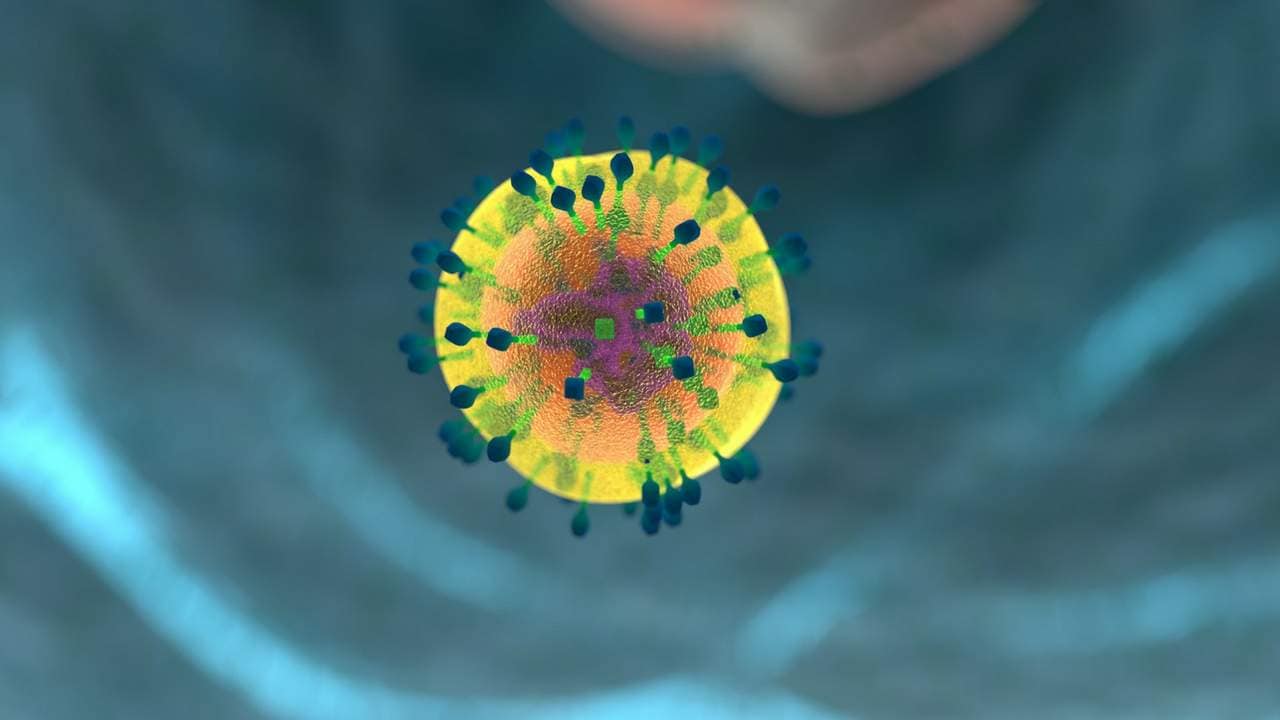
Representational Image[/caption]NK cells have been known to kill virus-infected cells and cancer cells but a clear role for them in contributing to protection from malaria is yet to be established, she noted.In the study, described in the journal eLife, the team isolated NK cells from people in the US who had never been exposed to malaria and looked at the effects on malaria-infected red blood cells in the presence of different antibodies.When incubated with antibodies from people in Mali, who have a degree of natural immunity to malaria, the NK cells became active and produced immune-stimulating molecules.Next, the team incubated NK cells and infected red blood cells together with different antibodies.In the absence of antibodies, or with antibodies isolated from people in the US, NK cells blocked malaria growth by around 4-6 percent.When incubated with antibodies from people in Mali (Western Africa), the NK cells blocked growth by more than 60 percent.This showed that antibody-activated NK cells can stop malaria parasites from maturing into a form that can go on to infect other blood cells, the researchers said.Further, the team identified PfEMP1, a molecule that was essential for activation of NK cells in response to malaria-infected blood cells.Blood cells infected with malaria have PfEMP1 on their surface that the antibodies recognise and use to attract immune cells, releasing the effect, the researchers said.

Careless Whispers: Scientists discover that plants can 'talk' to each other using smells
Life on Mars? European Space Agency’s Orbiter discovers ice water deposits at equator
Microsoft briefly overtakes Apple as the most valuable company, Apple back on top again
Even NASA is facing a tough time, starts layoffs following major budget cuts
ISRO, NASA's NISAR satellite to get ready by Jan-end, will monitor Earth's snow-covered regions