


NASA’s Parker Solar Probe to swing by Venus on its way to the Sun on 3 Oct
Parker is set to make 24 dips in and out of the Sun's corona over its mission period of seven years.

NASA’s Parker Solar Probe is due for a swing around Venus on Wednesday, 3 October, before it heads the way of its target, the Sun, according to a report in DailyMail.On its pioneering journey to touch the Sun's surface, the probe will gain the required momentum by performing a gravity assist around Venus before heading for the Sun's surface. It will take seven revolutions of Venus as part of the assist.The mission requires around 55 times as much energy as that for a mission to Mars, NASA said in a statement.[caption id="attachment_5307151" align="alignnone" width="1280"]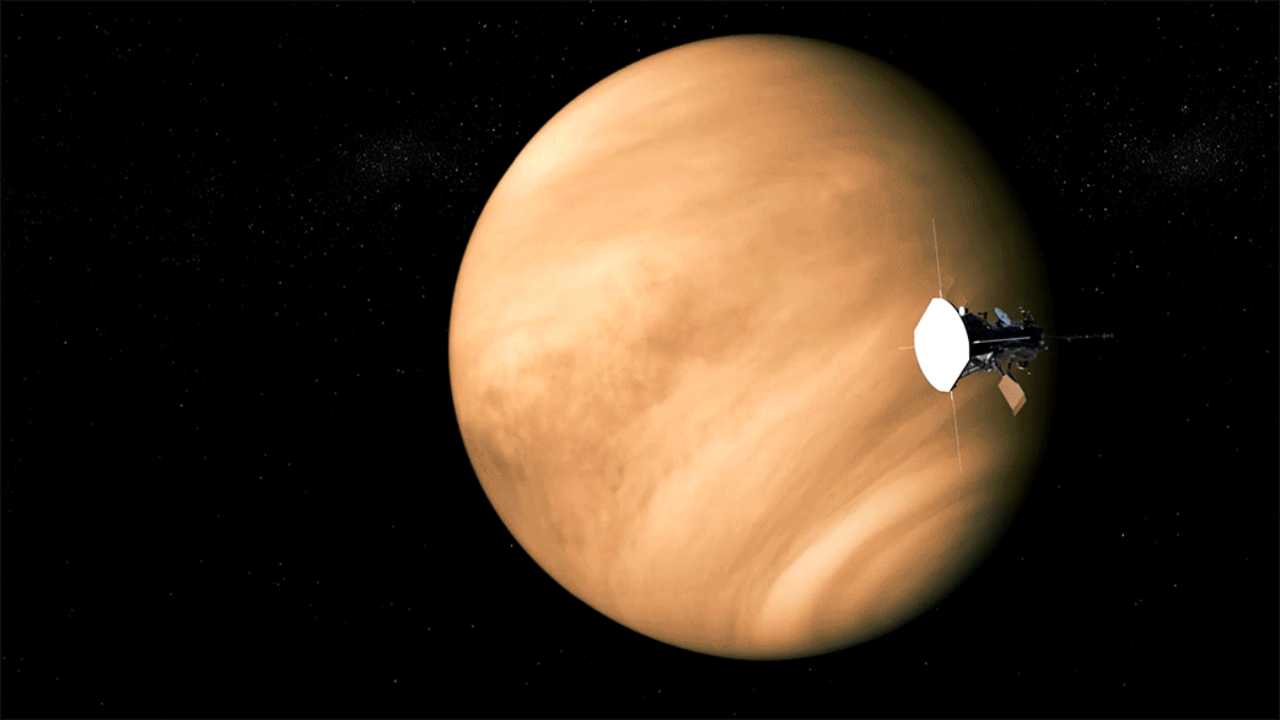 The Parker probe begins the first of its seven revolutions of Venus in a gravity assist en route the Sun. Image courtesy: NASA[/caption]The Parker probe may very well shatter the record it was setting out to in another month — the closest solar encounter by a man-made object.This was previously held by Helios — also a NASA spacecraft — at roughly 43 million kilometres away from the sun in 1976.Parker is set to go twice as close — 23 million kilometres of the sun's surface in a matter of weeks from now, and then make two dozen dips in and out of the Sun's corona over its mission period of seven years.[caption id="attachment_5307101" align="alignnone" width="1280"]
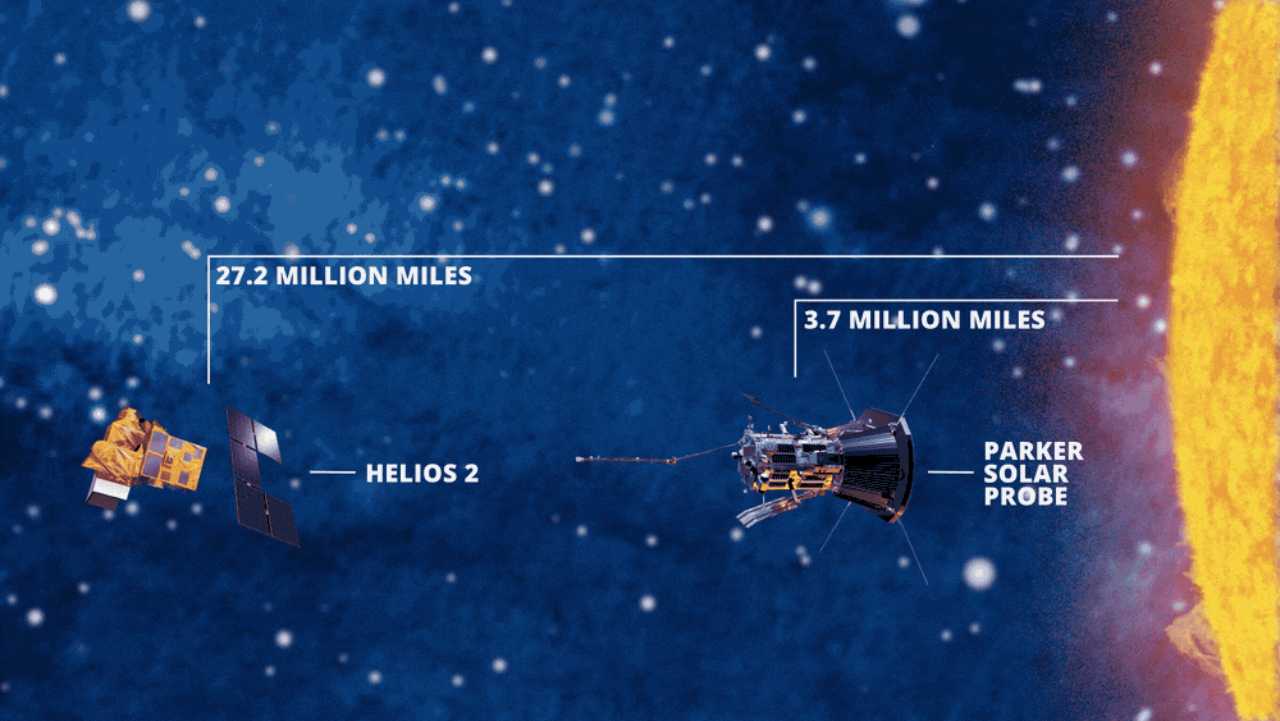 Parker probe will get closer to the Sun than Helios 2 did in 1976. Illustration: Steve Alvey/Michigan Engineer[/caption]With the Sun's corona extending 5 million kilometres of the surface, Parker's approach is estimated at around 6 million kilometres from the surface.
"We'll be going where no spacecraft has dared go before — within the corona of a star," Nicky Fox, project scientist of the mission from NASA's Johns Hopkins Applied Physics Lab, said to the press."With each orbit, we'll be seeing new regions of the Sun's atmosphere and learning things about stellar mechanics that we've wanted to explore for decades."

Careless Whispers: Scientists discover that plants can 'talk' to each other using smells
Life on Mars? European Space Agency’s Orbiter discovers ice water deposits at equator
Microsoft briefly overtakes Apple as the most valuable company, Apple back on top again
Even NASA is facing a tough time, starts layoffs following major budget cuts
ISRO, NASA's NISAR satellite to get ready by Jan-end, will monitor Earth's snow-covered regions