


NASA's Curiosity rover switches 'brains' temporarily to diagnose and repair glitch
The swap to its Side-A computer will return its ability to store scientific data & log events.

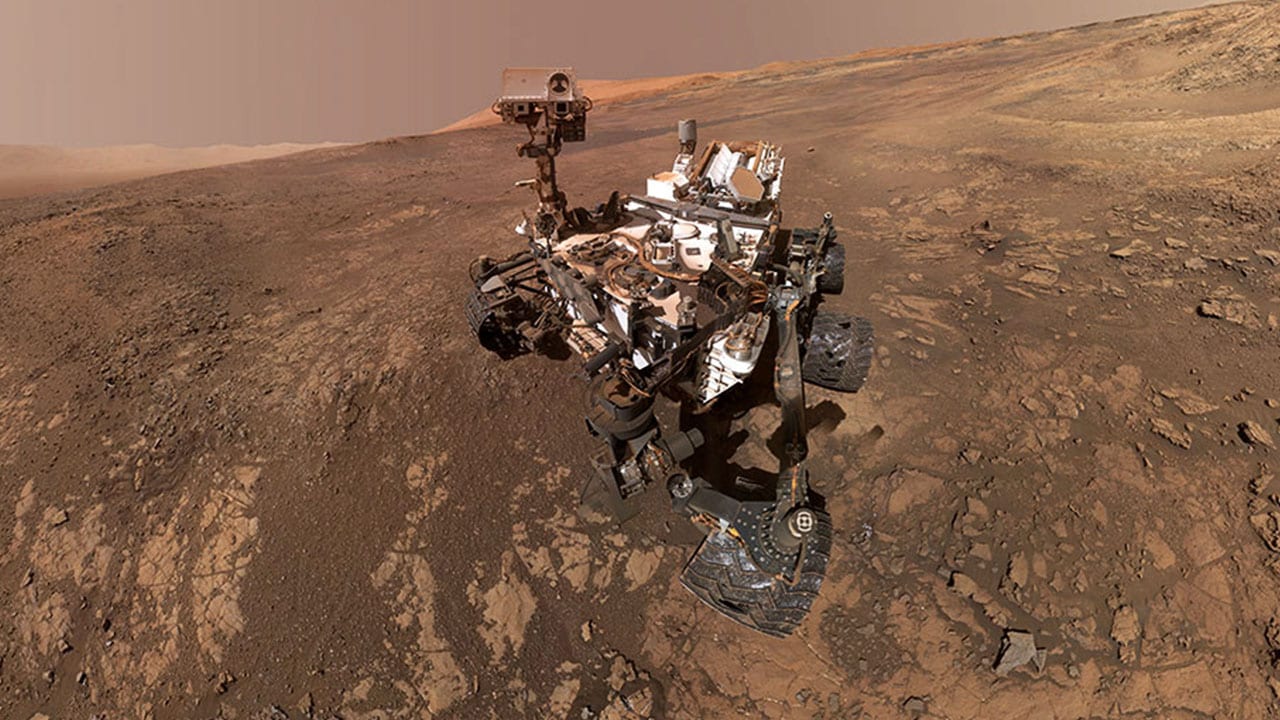
The Curiosity rover on Mars in early June, 2018. Image courtesy: NASA[/caption]The Side-B computer took over operations after a technical glitch nearly five years ago, after the rover’s primary computer (Side-A) suffered serious hardware and software issues. As engineers switched to the Side-B computer, the primary computer was being diagnosed and repaired parallelly.What makes the diagnosis tricky this time around is how the glitch has affected the computer’s systems. The malfunction in Side B’s systems keeping the computer from storing information long-term is also what has prevented storage of Curiosity’s event logs, a journal of its actions that are needed to find the problem.Curiosity has continued to send data collected from its missions from relaying short-term information stored onboard via the relay orbiter circling Mars.While access to the long-term data stored over the past few weeks is uncertain, the swap to Side-A will allow the rover to resume storing data and a log of ongoing events."It's certainly possible to run the mission on the Side-A computer if we really need to. But our plan is to switch back to Side B as soon as we can fix the problem to utilize its larger memory size," Steven Lee of JPL, Curiosity's deputy project manager, said."At this point, we're confident we'll be getting back to full operations, but it's too early to say how soon."

Careless Whispers: Scientists discover that plants can 'talk' to each other using smells
Life on Mars? European Space Agency’s Orbiter discovers ice water deposits at equator
Microsoft briefly overtakes Apple as the most valuable company, Apple back on top again
Even NASA is facing a tough time, starts layoffs following major budget cuts
ISRO, NASA's NISAR satellite to get ready by Jan-end, will monitor Earth's snow-covered regions