


NASA's Curiosity rover has found high amount of clay minerals on Mars' Mount Sharp
The rover drilled two rock samples called 'Aberlady' and 'Kilmarie' in a section of the planet called the 'clay-bearing unit.'

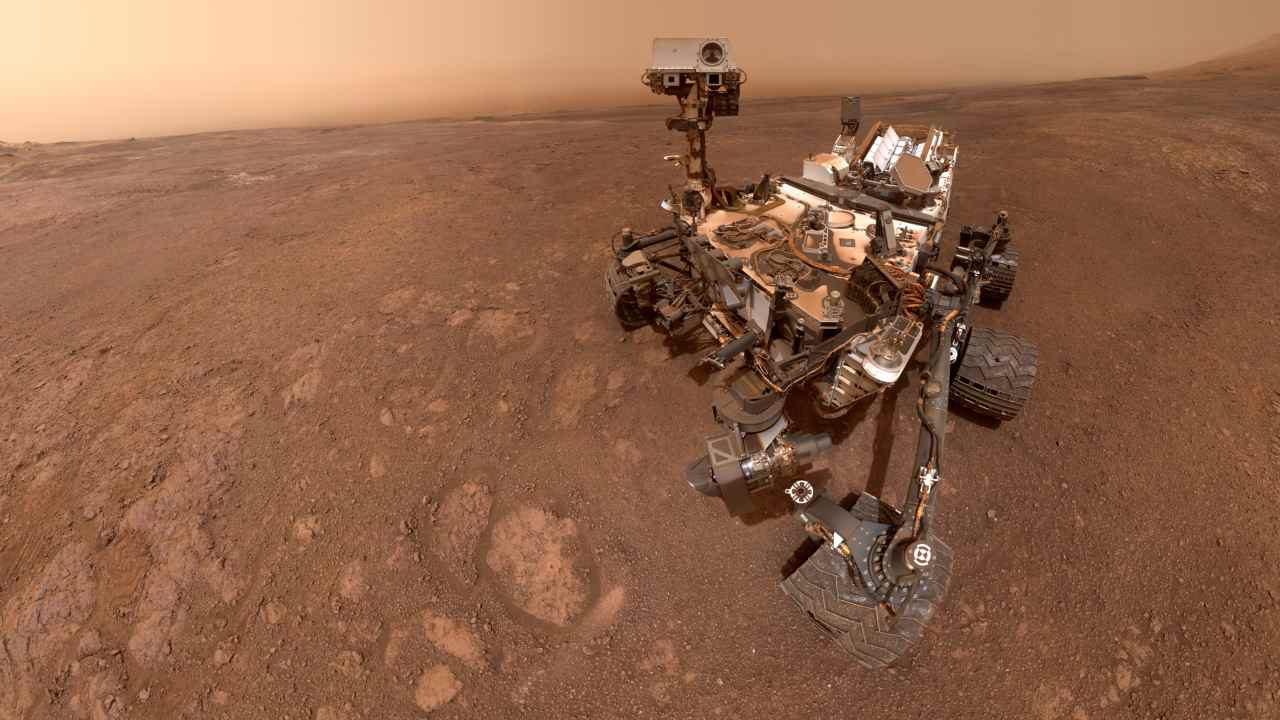
NASA's Curiosity rover. Image courtesy: NASA/JPL[/caption]Curiosity is exploring Mount Sharp to see if it had the conditions to support life billions of years ago. Clay often forms in water, which is essential for life.The rover's mineralogy instrument, called CheMin (Chemistry and Mineralogy), provided the first analyses of rock samples drilled in the clay-bearing unit. CheMin also found very little hematite, an iron oxide mineral that was abundant just to the north, on Vera Rubin Ridge.Other than proof that there was a significant amount of water once in Gale Crater, what these new findings mean for the region is still up for debate, according to the US space agency.It is likely that the rocks in the area formed as layers of mud in ancient lakes — something Curiosity also found lower on Mount Sharp, NASA said.Water interacted with sediment over time, leaving an abundance of clay in the rocks there, it said.

Careless Whispers: Scientists discover that plants can 'talk' to each other using smells
Life on Mars? European Space Agency’s Orbiter discovers ice water deposits at equator
Microsoft briefly overtakes Apple as the most valuable company, Apple back on top again
Even NASA is facing a tough time, starts layoffs following major budget cuts
ISRO, NASA's NISAR satellite to get ready by Jan-end, will monitor Earth's snow-covered regions