


NASA's Curiosity rover detects high methane gas levels, hinting at life on Mars
There are two options for the cause of the gas: Microbes or the interaction between water and rocks.

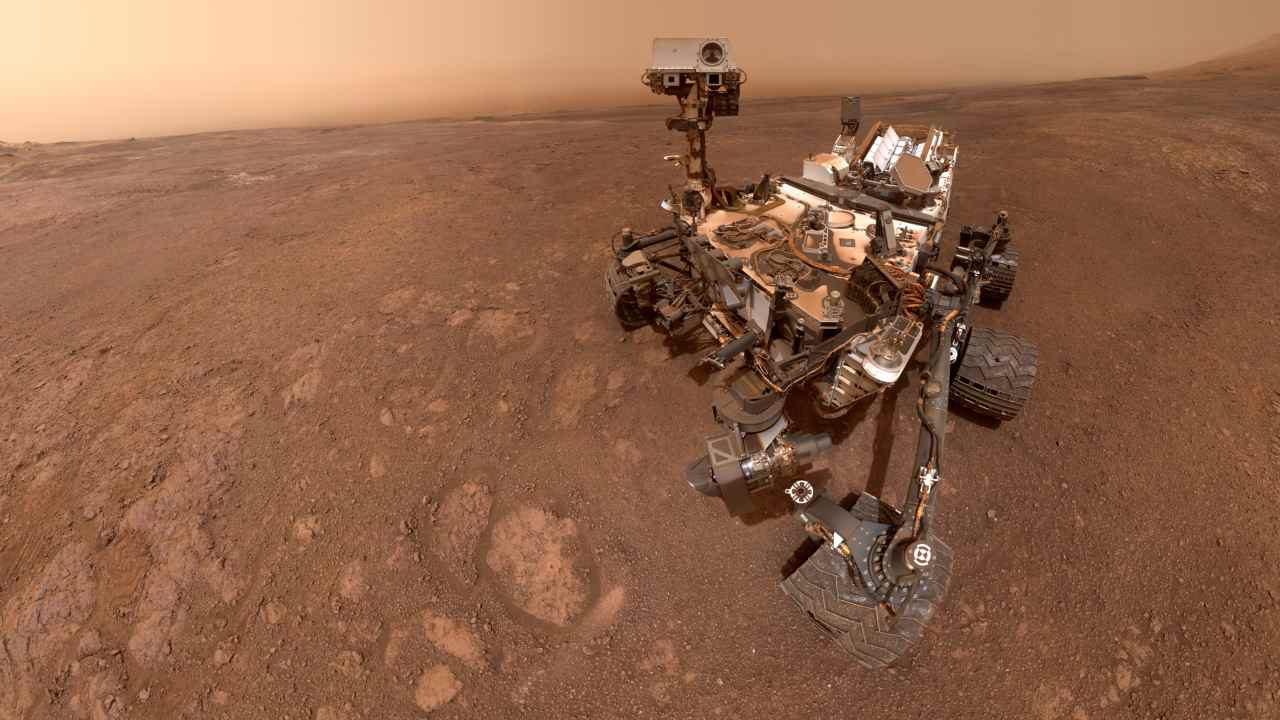
Representational image. Image courtesy: NASA/JPL[/caption]SAM Principal Investigator Paul Mahaffy of NASA's Goddard Spaceflight Center in Greenbelt, Maryland said: "With our current measurements, we have no way of telling if the methane source is biology or geology, or even ancient or modern.” There is no way to know where the methane is actually coming from either because Curiosity has no instrument that can find that out.NASA has detected methane over the course of the mission. When Curiosity first landed on Mars, there were no signs of methane, but in 2013 there was a sudden spike. It seems that the rise and fall of methane gas is seasonal but the scientists at NASA do not have enough information on the reason yet.In a press release, NASA said, “Curiosity's scientists need time to analyse these clues and conduct many more methane observations.”They are also looking into collaborating with the European Space Agency's (ESA) Trace Gas Orbiter that has been in orbit since 2016 but has not detected any sign of methane.

Careless Whispers: Scientists discover that plants can 'talk' to each other using smells
Life on Mars? European Space Agency’s Orbiter discovers ice water deposits at equator
Microsoft briefly overtakes Apple as the most valuable company, Apple back on top again
Even NASA is facing a tough time, starts layoffs following major budget cuts
ISRO, NASA's NISAR satellite to get ready by Jan-end, will monitor Earth's snow-covered regions