


NASA scientists observe water molecules hopping about on the surface of the moon
The LRO observed a layer of lunar surface water that was mere molecules thick, from orbit.

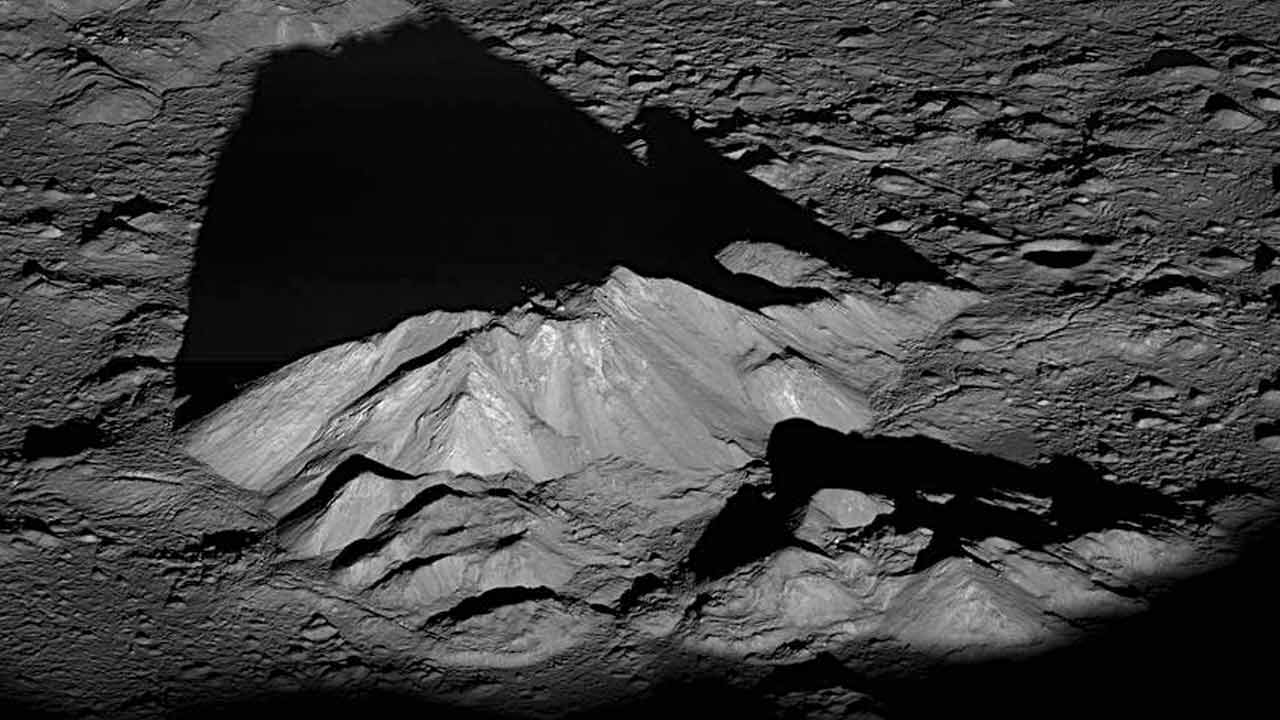
The LRO captured this stunning image of the Moon's Tycho Central Peak in 2011.[/caption]It was originally hypothesised that solar winds deposited hydrogen ions on the lunar surface. These could, in theory, result in the formation of water molecules. However, this theory would only hold true if water deposits decreased when the moon was shielded by the Earth, which was never the case. Water would be deposited regardless. LAMP’s latest observations have finally provided an explanation.According to Dr Kurt Retherford, a scientist working on the project, the findings are important given the country’s (the US) renewed focus on lunar exploration. An understanding of the lunar water cycle will also help us understand the accessibility of water, notes Amanda Hendrix, a senior scientist.The LRO was launched aboard an Atlas V rocket in 2009 and has spent the intervening years providing invaluable data on the moon.

Careless Whispers: Scientists discover that plants can 'talk' to each other using smells
Life on Mars? European Space Agency’s Orbiter discovers ice water deposits at equator
Microsoft briefly overtakes Apple as the most valuable company, Apple back on top again
Even NASA is facing a tough time, starts layoffs following major budget cuts
ISRO, NASA's NISAR satellite to get ready by Jan-end, will monitor Earth's snow-covered regions