


NASA looks at tree rings to see how climate change affected life in the 20th century
Tree rings are like fingerprints: unique, a storehouse of information on the environment over time.

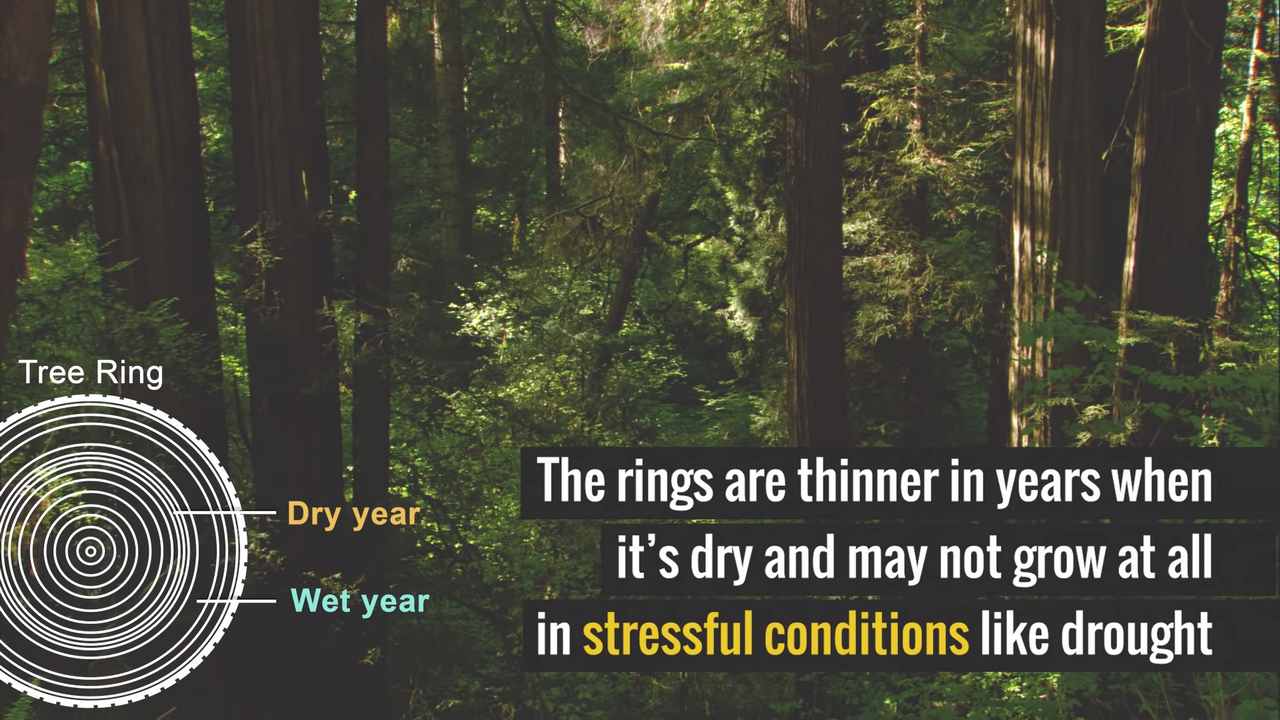
Tree rings give accurate date about their surroundings. Image credit: NASA[/caption]Using observational data such as precipitation and historical data reconstructed from tree rings, the researchers found that the real-world data began to align with the fingerprint within the first half of the 20th century.The team said the study is the first to provide historical evidence connecting human-generated emissions and drought at near-global scales, lending credibility to forward-looking models that predict such a connection.According to the research, the fingerprint is likely to grow stronger over the next few decades, potentially leading to severe human consequences.The study's key drought indicator was the Palmer Drought Severity Index or PDSI. The PDSI averages soil moisture over the summer months using data such as precipitation, air temperature, and runoff. While today NASA measures soil moisture from space, these measurements only date back to 1980. The PDSI provides researchers with average soil moisture over long periods of time, making it especially useful for research on climate change in the past.The team also used drought atlases: Maps of where and when droughts happened throughout history, calculated from tree rings."These records go back centuries. We have a comprehensive picture of global drought conditions that stretch back way into history, and they are amazingly high quality," said lead author Kate Marvel.Taken together, modern soil moisture measurements and tree-ring-based records of the past create a data set that the team compared to the models. They also calibrated their data against climate models run with atmospheric conditions similar to those in 1850, before the Industrial Revolution brought increases in greenhouse gases and air pollution."We were pretty surprised that you can see this human fingerprint, this human climate change signal, emerge in the first half of the 20th century," said Ben Cook, who co-led the study with Marvel.The story changed briefly between 1950 and 1975, as the atmosphere became cooler and wetter.

Careless Whispers: Scientists discover that plants can 'talk' to each other using smells
Life on Mars? European Space Agency’s Orbiter discovers ice water deposits at equator
Microsoft briefly overtakes Apple as the most valuable company, Apple back on top again
Even NASA is facing a tough time, starts layoffs following major budget cuts
ISRO, NASA's NISAR satellite to get ready by Jan-end, will monitor Earth's snow-covered regions