


NASA announces SpaceX's no-load rocket test has been pushed back to 2 March
SpaceX in November won authorization from US officials to put nearly 12,000 satellites into orbit.

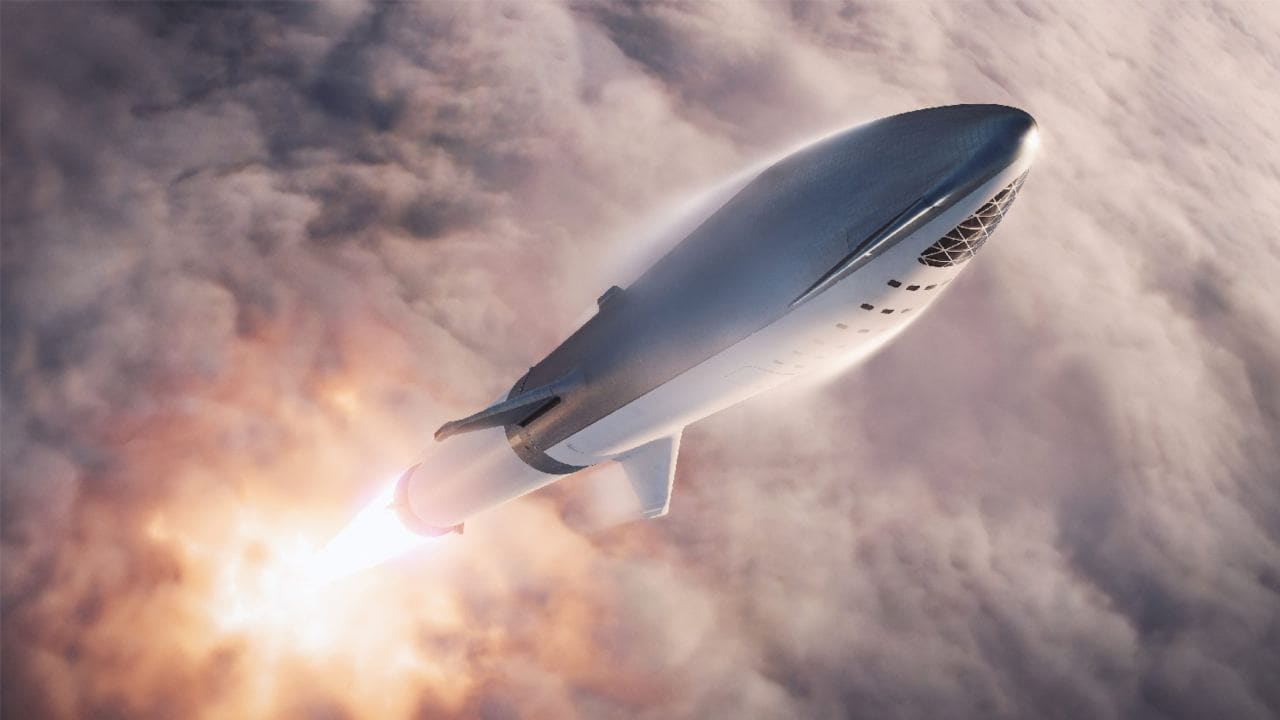
An artistic representation of SpaceX's BFR rocket. Image courtesy: SpaceX[/caption]SpaceX uses its Falcon 9 rocket, at the top of which is fixed a Dragon capsule specially designed to accommodate astronauts. This capsule is meant to take astronauts to the International Space Station.Before launching with humans aboard, however, SpaceX must perform a no-load mission. It was originally set for early January and the date of March 2 is not set in stone. Any technical glitch still could postpone the test.If all goes well, the first manned flight is scheduled for July 2019.At Boeing, the no-load test will not take place until April, with a manned mission starting in August.Founded by Elon Musk, SpaceX makes most of its money from multibillion-dollar contracts with NASA and satellite launches.SpaceX in November won authorization from US officials to put nearly 12,000 satellites into orbit in order to boost cheap, wireless internet access by the 2020s.Serial entrepreneur Musk has risen to prominence with a series of ambitious ventures, especially Tesla, which has boosted production of its Model 3 electric car and has continued to enjoy strong demand for the vehicle.

Careless Whispers: Scientists discover that plants can 'talk' to each other using smells
Life on Mars? European Space Agency’s Orbiter discovers ice water deposits at equator
Microsoft briefly overtakes Apple as the most valuable company, Apple back on top again
Even NASA is facing a tough time, starts layoffs following major budget cuts
ISRO, NASA's NISAR satellite to get ready by Jan-end, will monitor Earth's snow-covered regions