


Mosquito swarm driven to extinction with gene editing in an experimental first
It could be five to ten years before mosquitoes are tested with gene drive in the wild: researchers.

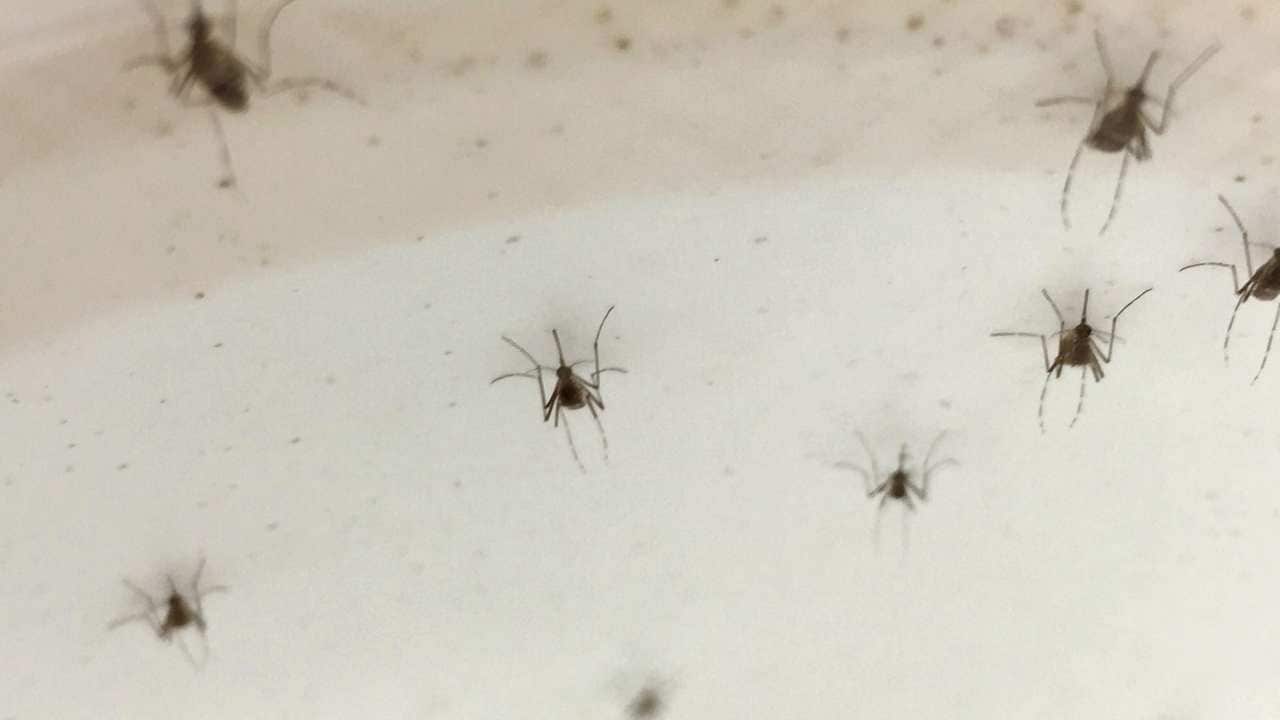
Representational image. Flickr[/caption]Scientists not involved in the study described it as a timely breakthrough."Traditional approaches to controlling mosquitoes – especially the use of insecticides – is becoming less effective," mainly due to the build-up of resistance, said Cameron Webb, a clinical lecturer at the University of Sydney.2016 marked the first time in over two decades that malaria cases did not fall year-on-year, despite aggressive and well-funded anti-malarial campaigns.Some scientists and technology watchdog groups have called for a moratorium on gene drive research.Calls for a moratorium"The ability to eradicate species and natural populations at will with synthetic gene drive is not to be celebrated but should rather sound an alarm," said Jim Thomson of the ETC Group, an NGO monitoring new technologies that often race ahead of regulatory frameworks."There are ecological risks from manipulating and removing natural populations, such as destroying food webs and shifting the behaviour of diseases, as well as social risks of disrupting agriculture and enabling new weapons."The issue will be squarely on the agenda in November in Egypt at a UN Biodiversity summit, which has mandated one of its technical committees to assess gene drive's potential risks and benefits."Governments, farmers, indigenous peoples and civil society will be pressing for a full moratorium," said Thomson.The new research, published in Nature Biotechnology, was funded by the Bill & Melinda Gates Foundation, which has poured close to $100 million (95 million euros) into the development of gene drive technology – especially via the research consortium Target Malaria – with the aim of eradicating the disease.The US military's Defense Advanced Research Projects Agency (DARPA), has also invested tens of millions of dollars."It is incumbent on DARPA to perform this research and develop technologies that can protect against accidental and intentional misuse," DARPA spokesman Jared Adams told AFP last December.

Careless Whispers: Scientists discover that plants can 'talk' to each other using smells
Life on Mars? European Space Agency’s Orbiter discovers ice water deposits at equator
Microsoft briefly overtakes Apple as the most valuable company, Apple back on top again
Even NASA is facing a tough time, starts layoffs following major budget cuts
ISRO, NASA's NISAR satellite to get ready by Jan-end, will monitor Earth's snow-covered regions