


Microplastics could be entering the foodchain through mosquito larvae: Study
Airborne insects as another pathway for pollution has not been considered previously: Researchers.

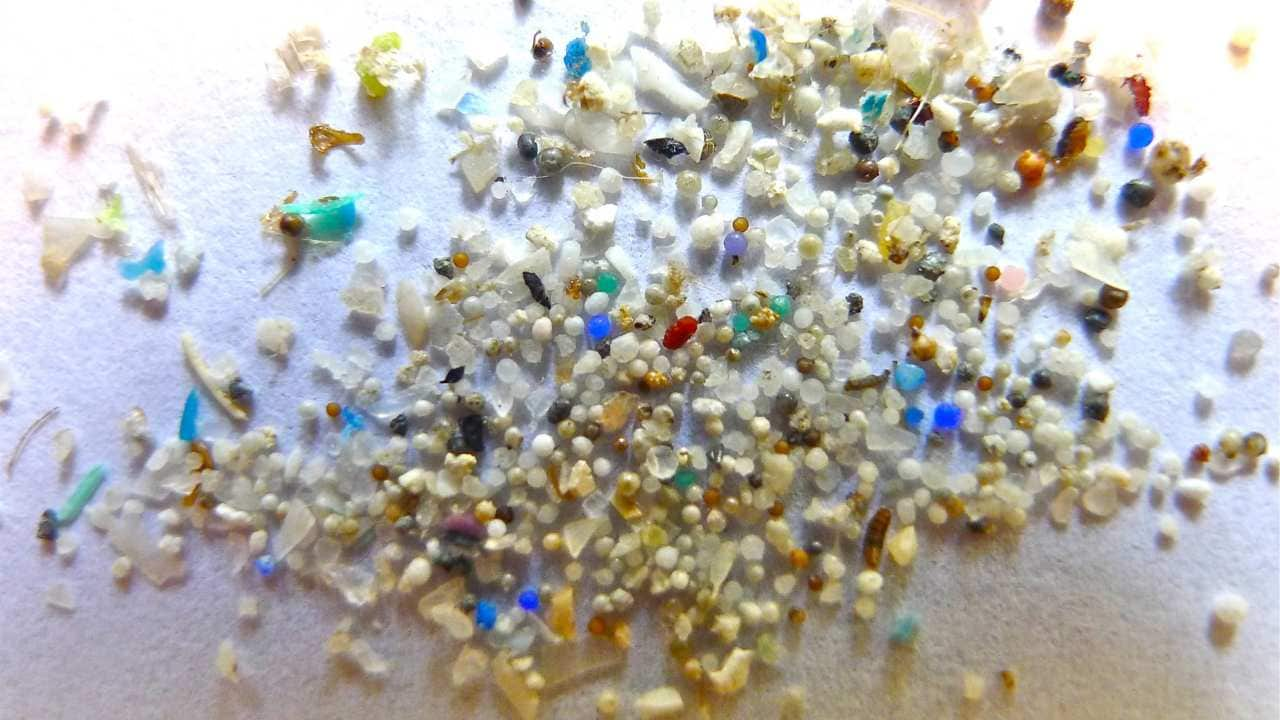
Representational image. Flickr[/caption]"The significance is that this is quite possibly widespread," Amanda Callaghan, biological scientist at Reading and the lead study author, told AFP."We were just looking at mosquitoes as an example but there are lots of insects that live in water and have the same life-cycle with larvae that eat things in water and then emerge as adults."The animals known to eat such insects include several species of birds, bats and spiders, all of which are hunted in turn by other animals."It's basically another pathway for pollution that hadn't been considered previously," Callaghan said.Although the team observed the mosquitoes in lab conditions, she said it was "highly possible" the process was already happening in the wild.Several countries including Britain have banned products containing microbeads, but Callaghan said the scale of the problem was still being discovered."It's a major problem and those plastics already in the environment are going to be with us for a very, very long time," she said.

Careless Whispers: Scientists discover that plants can 'talk' to each other using smells
Life on Mars? European Space Agency’s Orbiter discovers ice water deposits at equator
Microsoft briefly overtakes Apple as the most valuable company, Apple back on top again
Even NASA is facing a tough time, starts layoffs following major budget cuts
ISRO, NASA's NISAR satellite to get ready by Jan-end, will monitor Earth's snow-covered regions