


Micro-animal frozen in Siberia's permafrost for 24,000 years comes back to life
Once thawed, the animal was able to reproduce asexually using a process called parthenogenesis.

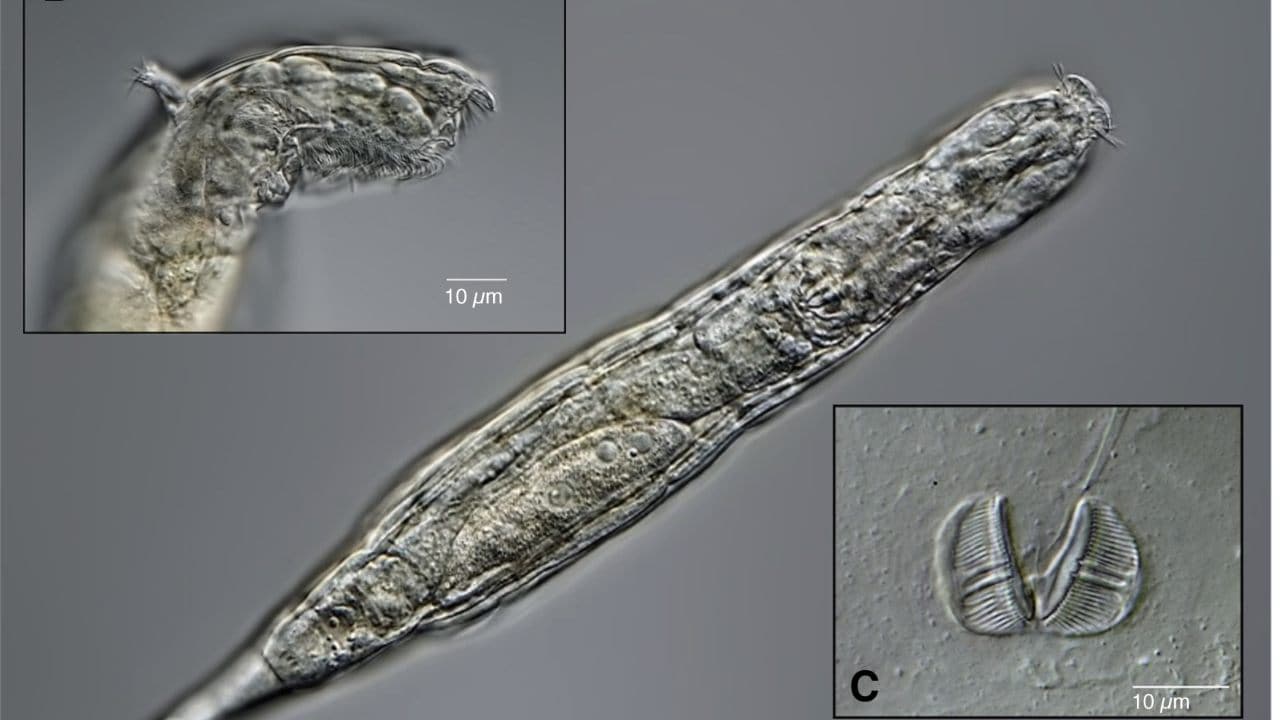
The bdelloid rotifer came back to life after being frozen for 24,000 years in Siberian permafrost. Image credit: Author provided.[/caption]The research team used a drilling rig to collect core samples from Alazeya River in the Russian arctic then used radiocarbon dating to determine that the age of the specimen was between 23,960 to 24,485 years old.They had previously identified single-celled microbes capable of similar feats.In terms of multicellular organisms, there has been a report of a 30,000-year-old nematode worm coming back to life, and mosses and some plants also have been regenerated after many thousands of years trapped in the ice.Rotifers can now be added to the list of organisms that can survive seemingly indefinitely, said Malavin.Once thawed, the animal was able to reproduce asexually using a process called parthenogenesis.Rotifers measure about half a millimeter in length and generally live in freshwater environments.Their name is derived from the Latin for "wheel bearer," which comes from the corona around their mouths that look like turning wheels. They use these to move and to feed."We can use this organism as a model to study freezing survival and drying survival in this group, and compare this group to other tough animals like tardigrades, nematodes and so on," added Malavin.

Careless Whispers: Scientists discover that plants can 'talk' to each other using smells
Life on Mars? European Space Agency’s Orbiter discovers ice water deposits at equator
Microsoft briefly overtakes Apple as the most valuable company, Apple back on top again
Even NASA is facing a tough time, starts layoffs following major budget cuts
ISRO, NASA's NISAR satellite to get ready by Jan-end, will monitor Earth's snow-covered regions