


Mice flown to ISS will help understand the process of ageing in space and on Earth
The investigation will keep a group of young mice and another group of older mice on the space station.

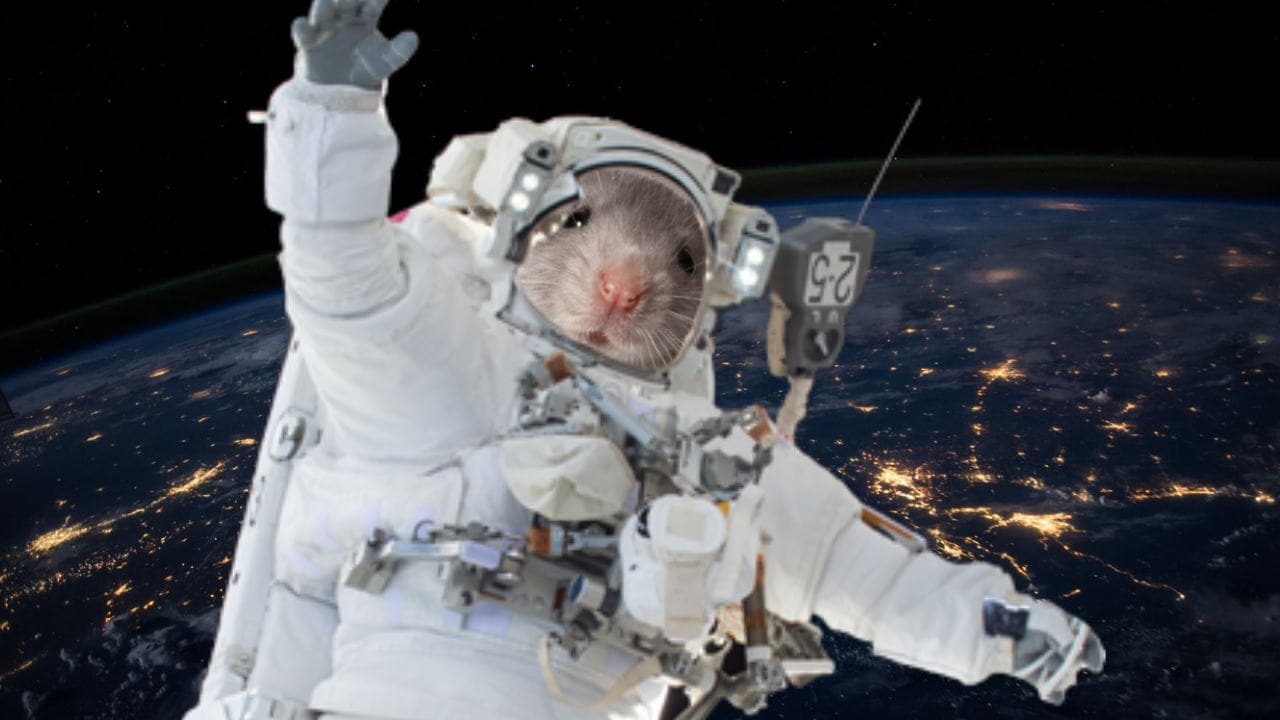
Representational image. Tech2[/caption]These changes resemble ageing in people age on Earth but happen more quickly. That makes spaceflight an opportunity to study — and perhaps lessen — the effects of ageing.The investigation will keep a group of young mice (10-16 weeks old) and another group of older mice (30-52 weeks old) on the space station for different periods of time — approximately 30 and 60 days — to make it possible to examine that accelerated ageing process more closely.Researchers also plan to observe the activity levels of the different groups, expecting the younger mice to be more active than the older ones. Activity, or exercise, is known to affect the rate of bone and muscle loss in mice just as it does in humans. The mice are all from a genetically identical strain.“We are trying to get down to the molecular basis for what is happening,” Roberts said. “To use mice or other organisms as models for studying humans, we need to understand whether the effects of space exposure have the same causes and outcomes as conditions in humans on Earth,” he said.“We want to see if the same things happen in mice and whether the rate of change is affected by the age of the mouse at exposure,” he added.A better understanding of changes to the body that occur in spaceflight can contribute to developing countermeasures and therapies that protect the health of astronauts and help people with age-related conditions and diseases on Earth.While this investigation focuses on the effect of age on the changes induced by space, future investigations could compare males versus females or different genetic strains of mice or the effects of varying their habitat on the space station.

Careless Whispers: Scientists discover that plants can 'talk' to each other using smells
Life on Mars? European Space Agency’s Orbiter discovers ice water deposits at equator
Microsoft briefly overtakes Apple as the most valuable company, Apple back on top again
Even NASA is facing a tough time, starts layoffs following major budget cuts
ISRO, NASA's NISAR satellite to get ready by Jan-end, will monitor Earth's snow-covered regions