


Locally sourced bajra replaces wheat as main beer ingredient in Pune based brewery
Difficulties in processing, supply chain barriers and lack of tech aren't allowing the grain to become great.

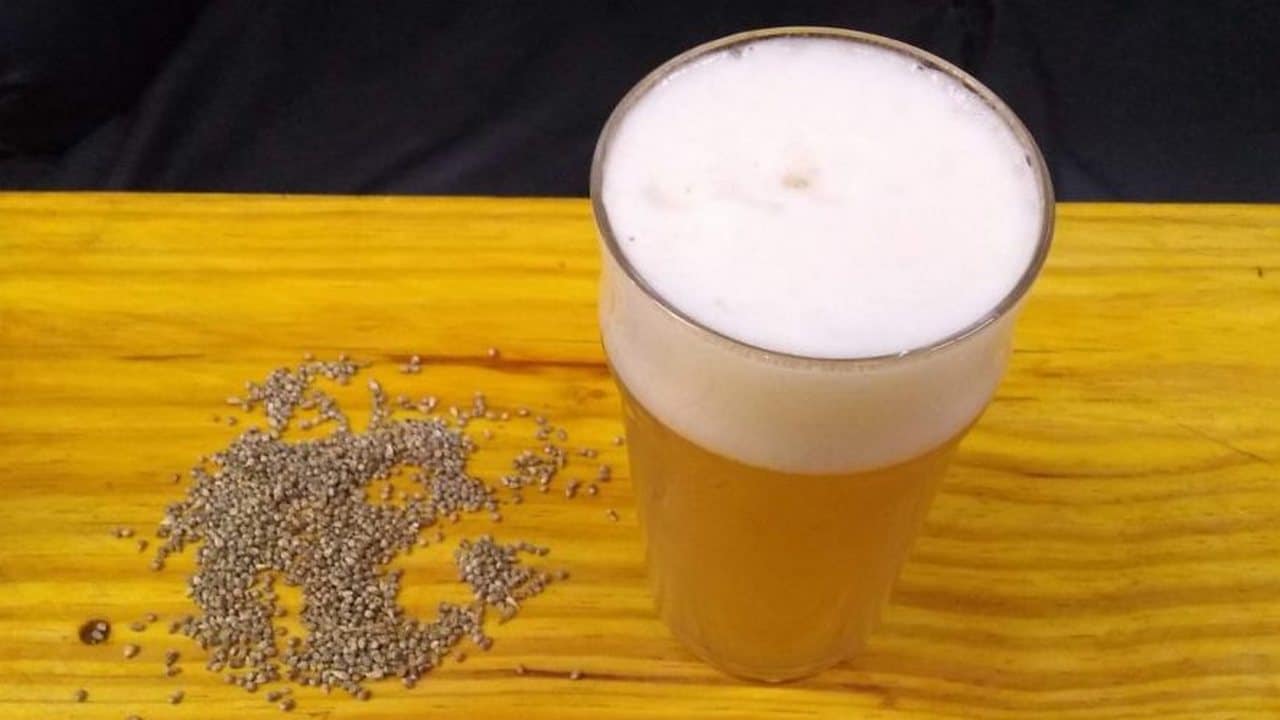
A craft brewery in Pune has made an unlikely match between traditional grains and modern brewing techniques to create a bajra-based beer. Image credit: Aditi Tandon.[/caption]Beers are typically made from malted barley and wheat. But this easy-drinking ale with pearl millet pays homage to its roots in the western state of Maharashtra. The grain travels about 140 km from farms in Satara district and makes its way into the large steel tanks at the brewery in Pune, where it is blended with other key ingredients to produce the Millet Ale. Pearl millet is a staple cereal in Maharashtra, where bajra is used to make bhakri, a flat, unleavened bread. But a focus on crops like wheat, rice, maize and soybeans has pushed millets to the margins. That is again changing.
Glamourising the climate-resilient grain
With increased attention on climate-resilient crops, alternative foods and trends like organic, gluten-free and so on, traditional millets like ragi and bajra as well as sorghum are seeing a revival of sorts. A few craft breweries in India have seen that as an opportunity and are mixing millets in their beer recipes, throwing up another demand for these eco-friendly, climate-resilient grains.In Bengaluru, India’s Silicon Valley and craft beer capital, there has been interest in brewing beer with various types of millets. Millet cultivation in Karnataka has seen significant growth in the past few years. In the last edition of the state’s Organics and Millet Festival, breweries served up millet-based beers. Craft beers made by Bengaluru’s Toit Brewpub, the Biere Club and Brewski are among those that have used ragi, or finger millet, a staple millet in southern India. These experiments received a state push as well, with Karnataka’s agriculture minister at that time, Krishna Byre Gowda, encouraging craft brewers to use local ingredients that would support the smallholder farming economy.Curiously, unlike Africa, where too millets and sorghum have been grown since prehistoric times, they have not traditionally been used to brew ale in India, except in some parts of the northeast. In central and peninsular regions, fermented rice is the standard brew, along with liquor made of mahua flowers.In modern times, jowar, or sorghum, was first used in conventional lager beer production during World War II, and it has since continued either as a substitute to barley or added in varied percentages.[caption id="attachment_7124201" align="alignnone" width="1280"]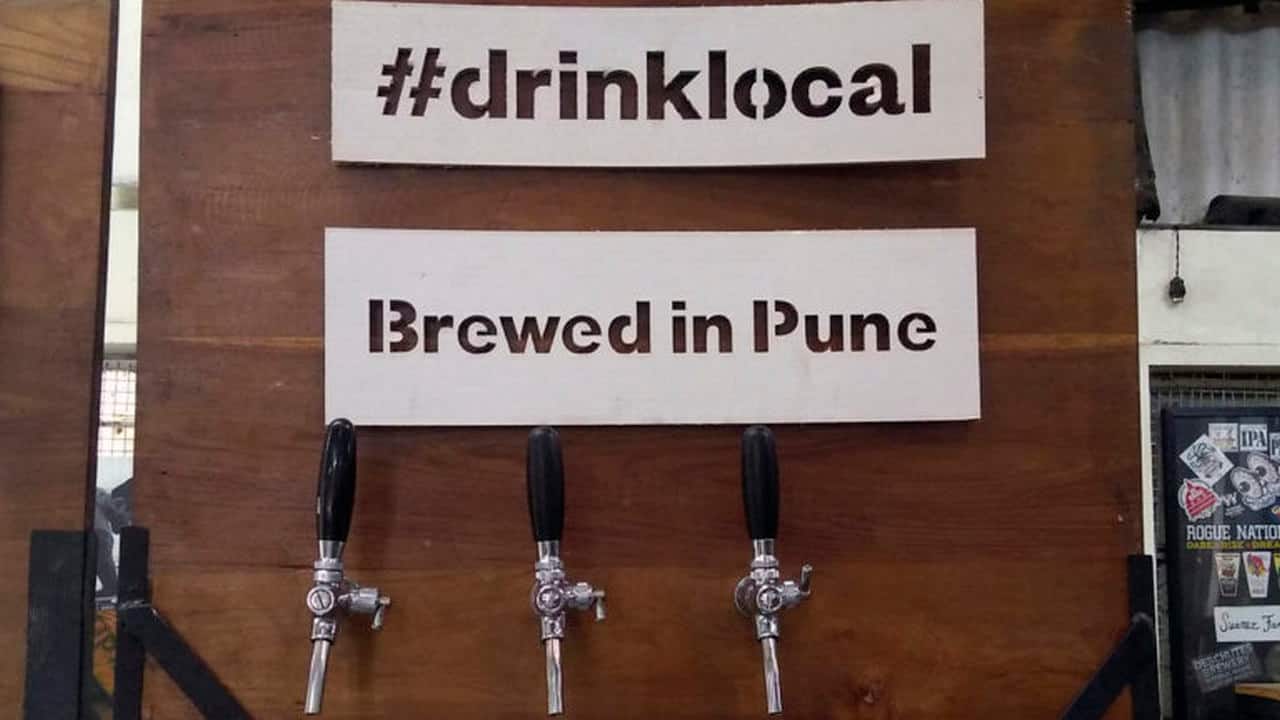
Great State Aleworks in Pune, Maharashtra is using pearl millet or bajra as one of the key ingredients to make its signature Millet Ale. Image credit: Aditi Tandon[/caption]
Bringing millets back
More than 90 million people in Africa and Asia include millets in their diets, and 500 million people in more than 30 countries depend on sorghum as a staple, according to the International Crop Research Institute for the Semi-Arid Tropics (ICRISAT).Most varieties of millets are climate-resilient and grow fairly easily in dry areas with high temperatures and low rainfall. The increasing vagaries of the climate, more severe floods and frequent droughts, and their impact on agriculture are some of the reasons that millets are making a comeback, says Amrita Hazra, a scientist at IISER-Pune and founder of the Millet Project, which works on food and agriculture diversity. Hazra was inspired to consider the various uses of millets while she was studying in California when the U.S. state was undergoing the fourth year of a very severe drought and farmers were keen on diversifying crops.One of the main attractions of millets is that they use much less water to grow than most cereals. The more frequent droughts in many parts of India, including Maharashtra, have made people think about millets anew.Though cultivation has increased, there’s a long way to go. “If you look at the numbers, millets are tiny in the overall crops that India grows, and also compared to wheat and rice,” says Hazra.India, Niger and China are the largest producers of millet in the world, accounting for more than 55 percent of global production. Millet production is estimated to be 27.8 million tonnes, with India being the largest global producer with a 41 percent market share. In comparison, wheat production in India stood at almost 100 million tons in 2018-19.Pearl millet, or bajra, is about 50 percent of the global millet production and India produces about 8.3 million tonnes a year, the highest in Asia.[caption id="attachment_7124211" align="alignnone" width="1280"]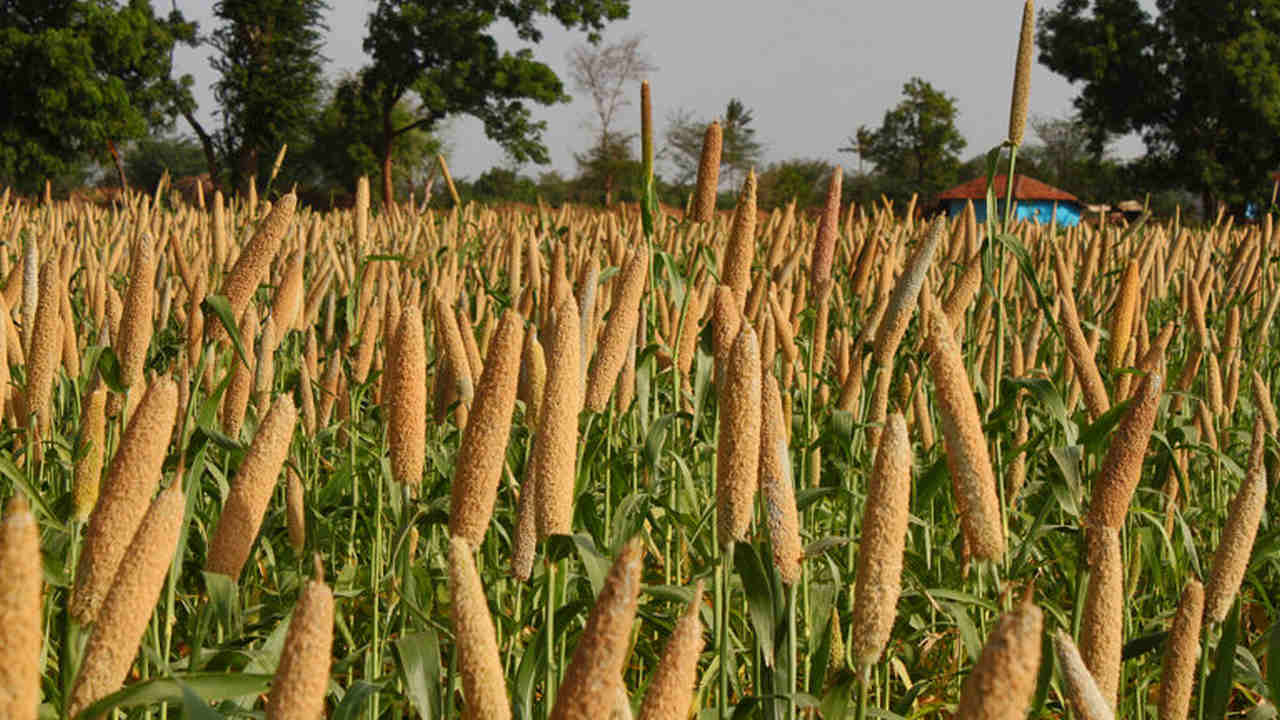
A millet farm in India. Image credit: J’ram DJ/Flickr.[/caption]
Brewing with millets
Local sourcing
After trials with store-bought seeds, Great State Aleworks zeroed upon local varieties of bajra seeds from a farming community in Maan taluka (administrative sub-district) in Satara district, facilitated by Taru Natural and Organics, a network of 10,000 small farmers involved in natural farming and mainstreaming of traditional grains, which also supplies millets to 70-80 restaurants in Mumbai and high-end grocery stores.“In Maan, they have frequent droughts. The main thing that grows there without water is jowar (sorghum), which we already source from them. But now that there is this demand, they have started growing bajra too. It is a good market for the farming community. As we add more market linkages, their community grows and benefits,” says Ruchi Jain, founder of Taru Naturals and Organics, emphasising that the push for millets is especially important in Maharashtra, where there are regular droughts and a dire need for climate-resilient crops.“Making millet beer is a great way to get the grain back into focus,” says Hazra. “From our work in the U.S., the strategy we developed was to use millets to make food that is more contemporary. Making a bhakri (flat bread) is so far away from everyday food. So we came up with millet risotto and millet soup, and that’s how we ended up with millet beer. This strategy makes millets more accessible to the youth. It’s close to the youth vocabulary today and they are the ones that will carry on the habit.”
Barriers to scaling
While the goodness of millets is hard to deny, there are still on-ground challenges holding back the grain from the popularity it could gain, especially as an ingredient in making beer.“In its current form, millet is not the best grain for making beer. You have to play around with it. It is, in a way, a relatively new grain for brewing,” says Hazra. “But actually, the first beer ever made, maybe around 8,000 years ago, was apparently brewed with millets!” In the current landscape, barley and wheat have taken over the industry. “But it is also because we have adapted all our processes and machinery to using wheat and barley in beer,” she says.[caption id="attachment_7124221" align="alignnone" width="1000"]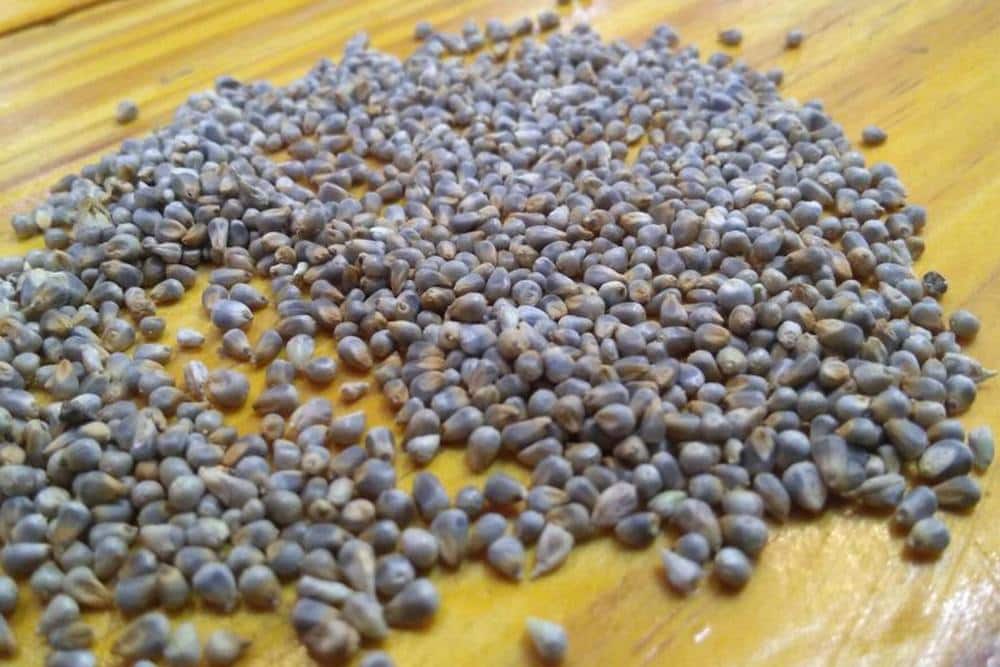 Craft breweries in India are experimenting with millets in their beer recipes, exploring the potential for mainstreaming the climate-resilient and ecofriendly ancient grains. Image credit: Aditi Tandon.[/caption]Millets also have lower accessible carbohydrates compared with barley. While this makes millets a better food due to its slow release of carbohydrates, that’s a disadvantage when brewing beer. “For beer, you actually need the carbohydrate to be accessible, which the yeast will start to eat and make ethanol. But that process gets retarded when the carbohydrate itself is not easily available. So you land up needing larger quantities,” says Hazra.Another disadvantage is that there are no organisations malting millets in India — the chief reason why millets have not taken off as common ingredients in craft beer. In malting, the grain is germinated and roasted to make the carbohydrate more accessible, which is needed for brewing. There are only three companies in the world malting millets, says Hazra, which is the main bottleneck that’s preventing more Indian breweries from accessing these locally-sourced and indigenous grains for brewing.Bhonsle and his team experimented by using unmalted, cooked bajra directly. But it is not an ideal scenario for scaling. “We had the opportunity to experiment, which is why we could arrive at the recipe we have now,” he says. “Other than the lack of facilities, there is also a lack of easily available information. Why would breweries invest in experimentation with millets when other grains are available and may work better?”“If India had a malting facility for millets, and for any grain for that matter, which provided good quality malted grains that could be used to brew beer, craft breweries would happily opt for using local grains in their beers,” he adds.A study by agricultural scientists C.V. Ratnavathi and U.D. Chavan on the use of sorghum in beer reflects similar challenges in making the grain a significant part of beer ingredients. “While the production of lager beer from barley malt along with sorghum as a cereal adjunct poses no problem, lager beer brewing from 100% sorghum is confronted with problems relating to equipment, sorghum malting, mash gelatinization, saccharification, lautering, wort fermentability, body fullness, and acceptability,” the study says.[caption id="attachment_7124231" align="alignnone" width="1000"]
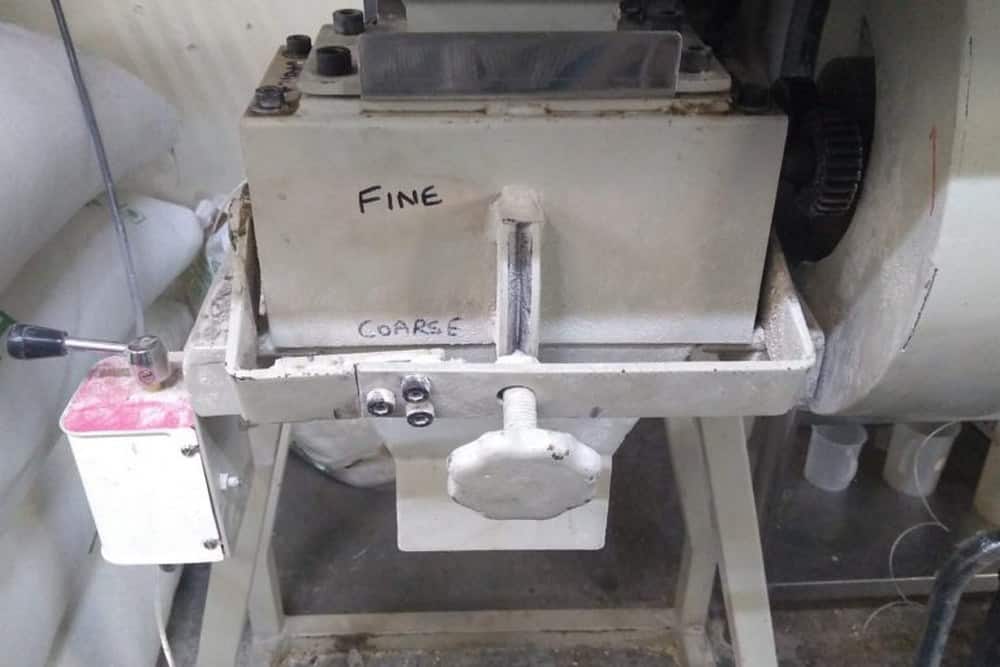 Grain processing machinery and technology is usually designed for wheat and rice and not so much for millets which have a different profile. Image credit: Aditi Tandon[/caption]
Reorienting for millets
As climate change becomes a reality, the push for mainstreaming hardy grains like millets is increasing. However, current technology and equipment to process grains are primarily designed towards processing the more popular wheat and rice.“Technologies don’t exist for large scale processing of millets,” says Hazra, who has been working with entrepreneur Vikram Sankaranaryanan, who is involved in manufacturing equipment designed to process millets. Realising the bottleneck, governments in Andhra Pradesh and Madhya Pradesh are also considering millet-processing units (grader, de-huller, de-stoner, etc.) to support the promotion of the grains.But even if the processing hurdles are overcome, millets end up getting stuck because of weak supply chains and the lack of market linkages for millet farmers, says Jain of Taru Naturals and Organics. “We have to create a robust supply chain. We need robust scalable business models,” she says. On a national level, the push for millets as part of the public distribution system is a work in progress.“Maybe millets need to be glamorised as the U.S. did with quinoa,” suggests Jain. “If we can make our millets aspirational, there will be a growing demand from consumers.”“For situations like drought, uncertain rainfall, increase in temperature — which are in fact happening now — we have to be prepared and it makes a lot of sense to go back and invest in millet-like crops. They are still accessible and available with people, with farmers. You don’t need to go to seedbanks. You are still working with people who have saved these seeds,” recommends Hazra.
 More from Science
Careless Whispers: Scientists discover that plants can 'talk' to each other using smells
Life on Mars? European Space Agency’s Orbiter discovers ice water deposits at equator
Microsoft briefly overtakes Apple as the most valuable company, Apple back on top again
Even NASA is facing a tough time, starts layoffs following major budget cuts
ISRO, NASA's NISAR satellite to get ready by Jan-end, will monitor Earth's snow-covered regions