


Livestock farming could take up half the greenhouse gas emissions by 2030: Study
Methane has 85 times the global warming potential carbon dioxide has over a 20-year time period.

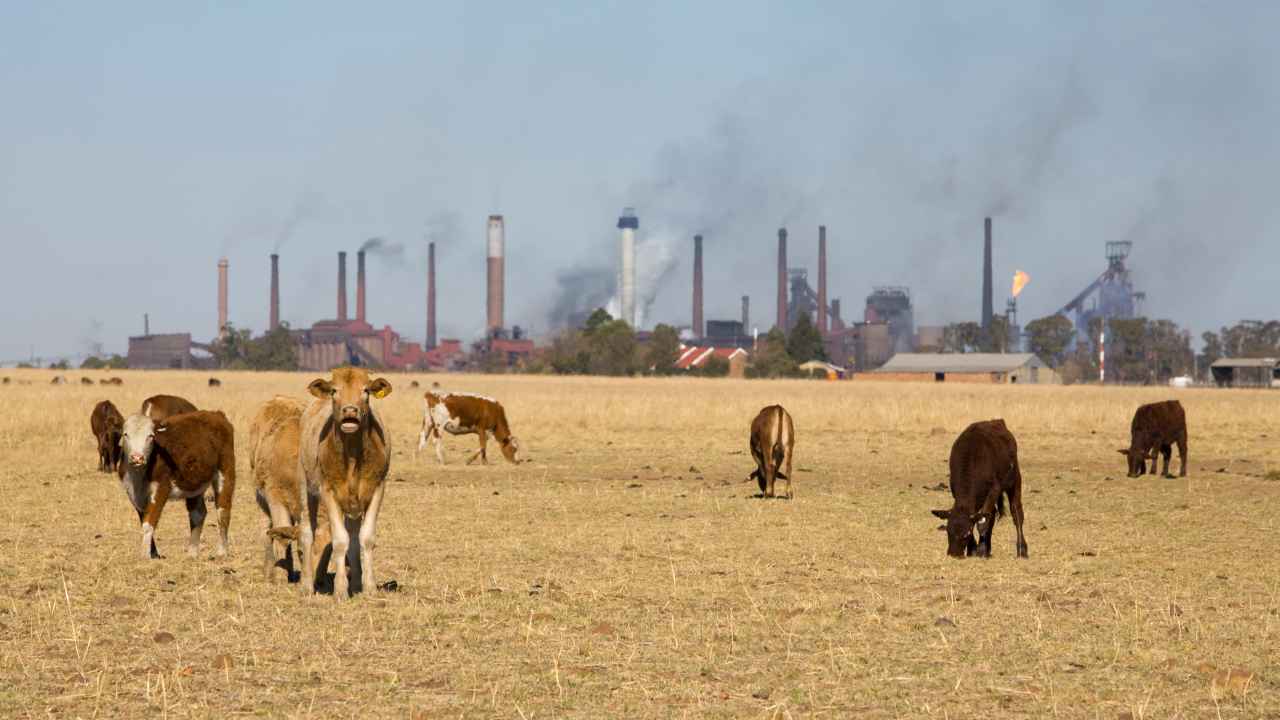
Representational image. Image courtesy: World Bank[/caption]In the study published in Climate Policy, Harwatt further elaborates that recent evidence shows, in comparison with the current food system, switching from animals to plants proteins could potentially feed an additional 350 million people in the US alone.Previous studies suggested reducing meat and dairy consumption also provides a range of added benefits such as preserving biodiversity and improving human health.The article reports that the current livestock population in the world is around 28 billion animals and constitutes the highest source of two major greenhouse gases — methane and nitrous oxide.The production of methane in particular is troublesome, as it has an 85 times greater global warming potential than carbon dioxide over a 20-year timeframe.Methane emissions from the livestock sector are projected to rise by 60 percent by 2030 — the same time period over which strong and rapid reductions are needed."Given the livestock sector's significant contribution to global greenhouse gas emissions and methane dominance, animal to plant protein shifts make a much-needed contribution to meeting the Paris temperature goals and reducing warming in the short term, while providing a suite of co-benefits," Harwatt added.

Careless Whispers: Scientists discover that plants can 'talk' to each other using smells
Life on Mars? European Space Agency’s Orbiter discovers ice water deposits at equator
Microsoft briefly overtakes Apple as the most valuable company, Apple back on top again
Even NASA is facing a tough time, starts layoffs following major budget cuts
ISRO, NASA's NISAR satellite to get ready by Jan-end, will monitor Earth's snow-covered regions