


Light and dust play a crucial role in the formation of life in galaxies: Study
New stars produce a counter-pressure to their own gravity that slows down star formation.

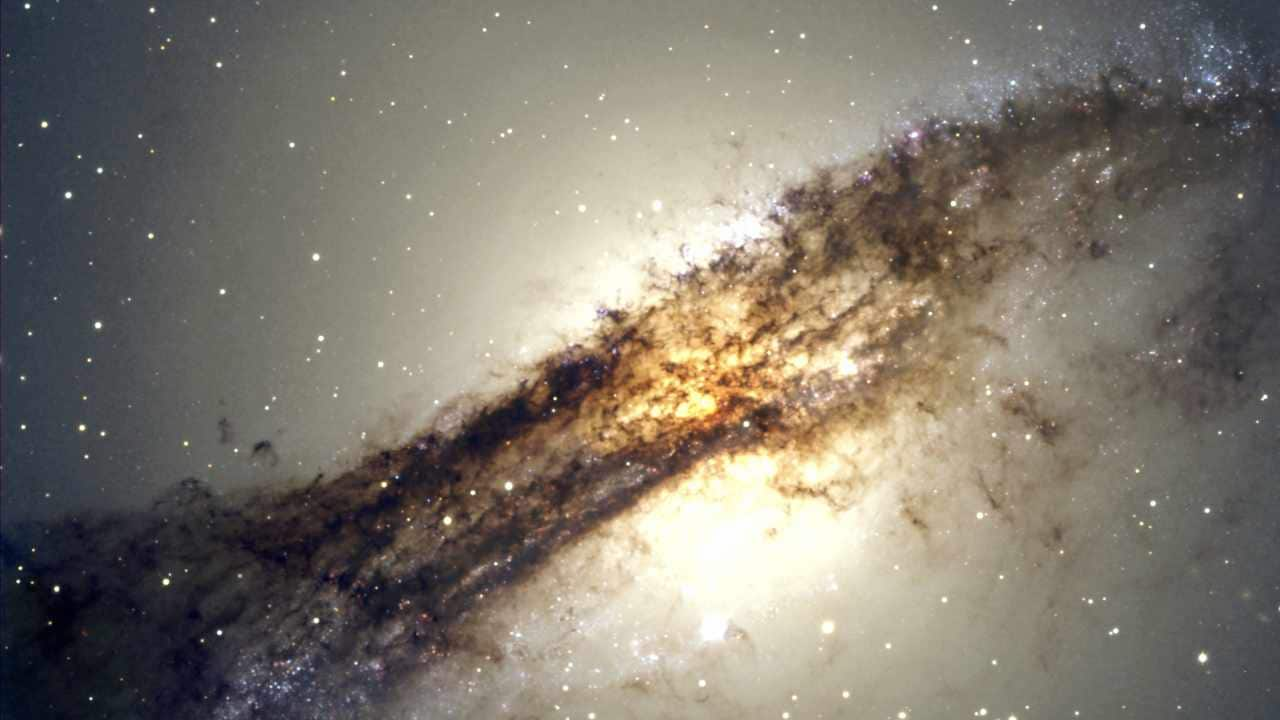
M78 Spiral Galaxy, like many others that have been used in studying the age of the universe, are a strong source of radiowaves. Image courtesy: NASA/Hubble[/caption]Infrared light is also scattered by this remnant cosmic dust, which energizes the air surrounding the newborn star, and acts like a counter-pressure to the gravitational force of the star.“The phenomenon we studied occurs in galaxies and star clusters where there's a lot of dusty gas that is forming heaps of stars relatively quickly," Crocker said.“In galaxies forming stars more slowly—such as the Milky Way—other processes are slowing things down. The Milky Way forms two new stars every year, on average."Astronomers accept that all galaxies in the universe form new stars continuously and at a steady rate. The new study found a mathematical upper limit on how quickly stars can form in a galaxy or gas giant cloud. The counter-pressure and capacity of star formation in galaxies are some of the feedback mechanisms that star systems have to keep the universe alive and vibrant, according to Crocker."We are investigating other ways stars might feedback into their environment to slow down the overall rate of star formation."The study was published in the journal Monthly Notices of the Royal Astronomical Society.

Careless Whispers: Scientists discover that plants can 'talk' to each other using smells
Life on Mars? European Space Agency’s Orbiter discovers ice water deposits at equator
Microsoft briefly overtakes Apple as the most valuable company, Apple back on top again
Even NASA is facing a tough time, starts layoffs following major budget cuts
ISRO, NASA's NISAR satellite to get ready by Jan-end, will monitor Earth's snow-covered regions