


Landslide in Alaska could lead to ‘mega-tsunami’ within a year, warn scientists
To comment upon the impact the tsunami might leave, experts cited examples of landslide-induced tsunamis in the past in Alaska and Greenland.

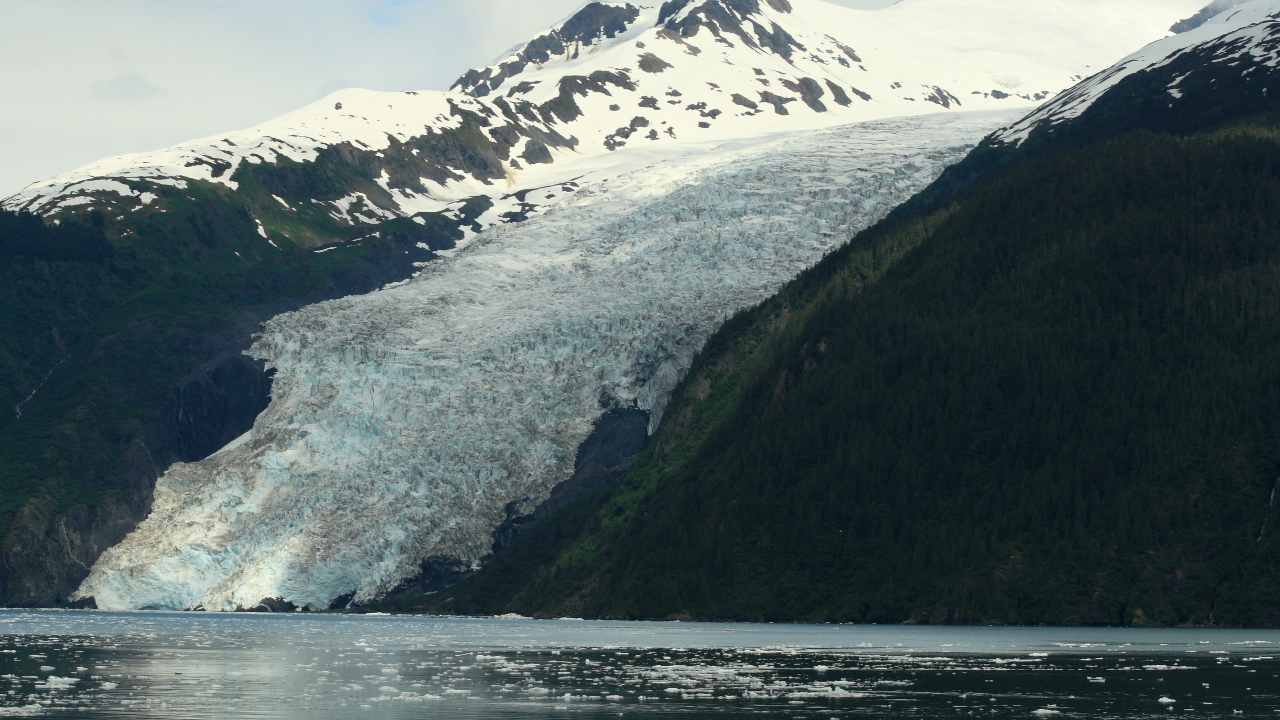
The Coxe Glacier as seen from the Prince William Sound out of Whittier, Alaska in July 2008. Image: Wikimedia Commons[/caption]They said it was possible for this landslide-generated tsunami to happen within the next year, and likely within two decades. To comment upon the impact the tsunami might leave, the team cited examples of landslide-induced tsunamis in the past in Alaska and Greenland. They talked about the incident in Taan Fiord in Alaska, where a landslide that had begun moving slowly decades ago had suddenly failed in October 2015. The resulting tsunami had caused elevations of 633 feet near the landslide and 35 feet high elevations in locations that were about 25 km away.Another example cited an incident in Greenland that caused destruction 20 miles away and it is more distressing as the present landslide in Barry Arm is much bigger than the earlier ones. Scientists are worried that this landslide might pose a threat to the entire Prince William Sound region.They have listed the steps they have taken to properly monitor the landslide and possibly develop a way of detecting landslide-induced tsunami like it is possible to detect earthquake-caused tsunamis.

Careless Whispers: Scientists discover that plants can 'talk' to each other using smells
Life on Mars? European Space Agency’s Orbiter discovers ice water deposits at equator
Microsoft briefly overtakes Apple as the most valuable company, Apple back on top again
Even NASA is facing a tough time, starts layoffs following major budget cuts
ISRO, NASA's NISAR satellite to get ready by Jan-end, will monitor Earth's snow-covered regions