


Keep track of Kala azar patients even if treatment is successful: says new study
They can develop a skin condition called post-kala-azar dermal leishmaniasis down the line.

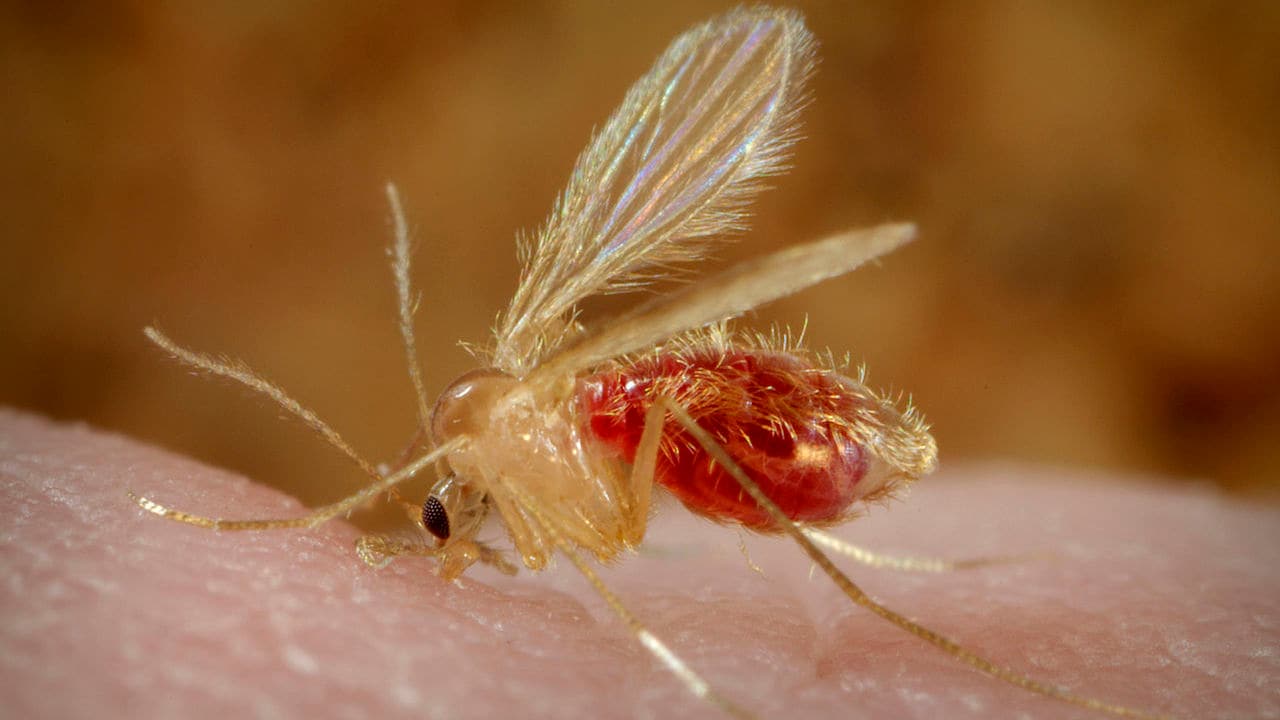
Sandflies are the carriers of Kala azar. image credit: Wikimedia commons[/caption]Researchers from the global programme, Drugs for Neglected Diseases initiative, and the International Centre for Diarrhoeal Disease Research, Bangladesh, conducted the study.Dr Jorge Alvar, senior advisor at Drugs for Neglected Diseases initiative and co-principal investigator of the study, said, “Until now, information on the role of post-kala azar dermal leishmaniasis was scarce and scattered across decades of different research initiatives. The new study unequivocally show that it is of pivotal importance for maintaining transmission of the disease in-between epidemics.”Dr Dinesh Mondal, senior scientist at the International Centre for Diarrhoeal Disease Research and the other co-principal investigator, noted, “Because post-kala azar dermal leishmaniasis is not fatal it has largely been ignored by public health efforts, and many scientific questions around its role have remained unaddressed. While these new findings don’t answer all our questions, they do show that early treatment of patients showing the condition will be a critical element of any leishmaniasis elimination strategy.”Dr Suman Rijal, Director of the Drugs for Neglected Diseases Initiative Regional Office in India, pointed out, ‘’Great strides have been made in the control of kala-azar in South Asia, but this study shows that now we must engage in active post-kala azar dermal leishmaniasis case detection and provide prompt treatment as an integral part of kala-azar control and elimination. The condition must be addressed in order to sustain elimination or we risk jeopardizing our earlier successes.”

Careless Whispers: Scientists discover that plants can 'talk' to each other using smells
Life on Mars? European Space Agency’s Orbiter discovers ice water deposits at equator
Microsoft briefly overtakes Apple as the most valuable company, Apple back on top again
Even NASA is facing a tough time, starts layoffs following major budget cuts
ISRO, NASA's NISAR satellite to get ready by Jan-end, will monitor Earth's snow-covered regions