


J&J COVID-19 vaccine in limbo as countries, experts seek evidence for blood clotting issue
Vaccination-related blood clots are raising alarm because they are at least three times more likely than experts expect of typical clots in the brain.

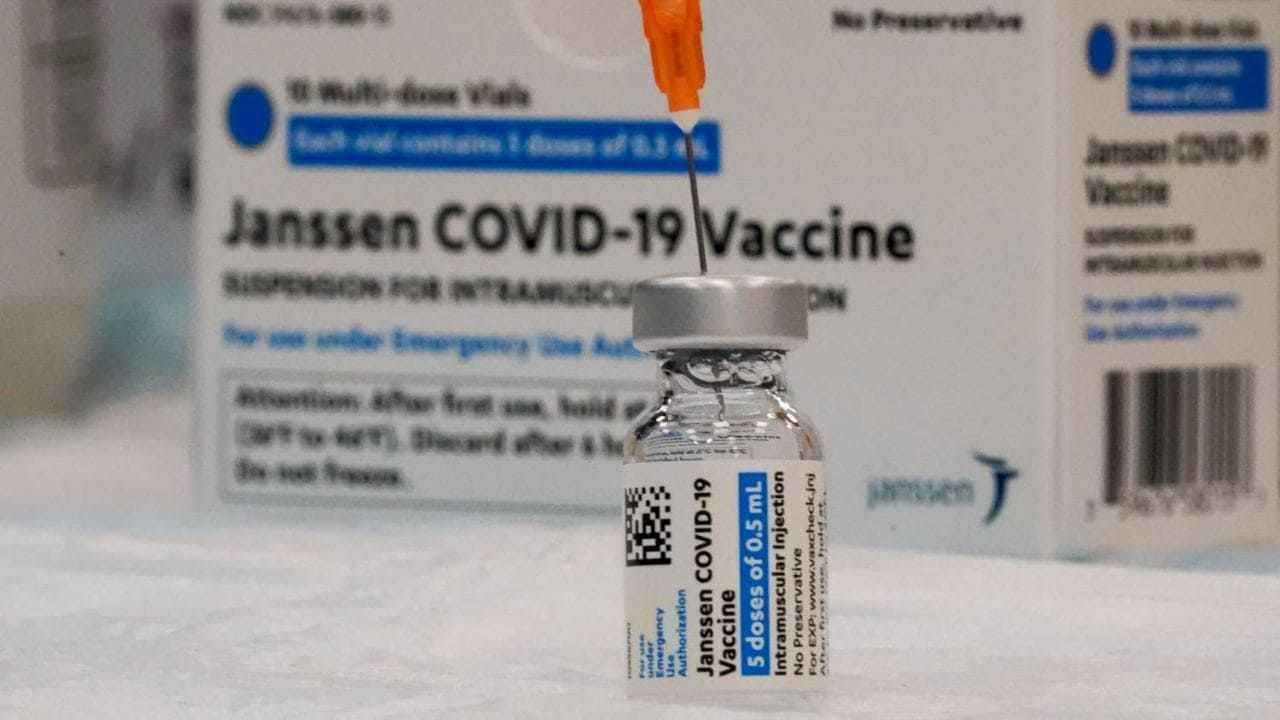
The Johnson & Johnson COVID-19 vaccine is seen at a pop up vaccination site inside the Albanian Islamic Cultural Center, Thursday, April 8, 2021, in the Staten Island borough of New York. Image Credit: AP/Mary Altaffer[/caption]The good news: The government says there are no signs of similar clots after vaccination with the Pfizer and Moderna shots that are the mainstay of the COVID-19 fight in the US.The Johnson & Johnson cases now under investigation are all among women younger than 50. But the advisory panel stressed that there’s not enough information to tell if only certain groups would be at risk. In Europe, most but not all cases following AstraZeneca vaccinations have been among women under 60, leading different countries to use that vaccine in varying ways.Also, a 25-year-old man experienced a similar clot during US testing of J&J’s vaccine, something the government scrutinized at the time but could not link to the shot. On Wednesday, the company also brought to the CDC’s attention a woman whose clot did not occur in the brain, sparking more questions about what other evidence to examine.The CDC expects its advisers to reconsider the evidence within two weeks. So far the clots have occurred between one and three weeks after people received the J&J vaccine, and officials cautioned that more reports could surface.The clot concerns could undermine public confidence in a vaccine many hoped would help some of the hardest-to-reach populations — in poor countries or in places like homeless shelters in the US.But the US has intensive monitoring for COVID-19 vaccines, since side effects too rare to have occurred in studies of thousands of people sometimes pop up once shots are used in millions. Shimabukuro said spotting such a rare potential risk amid the nation’s huge vaccine rollout “is an example of a success story for vaccine safety.”Some vaccine specialists who were closely watching the deliberations expressed dismay that the public — here and abroad — will have to wait for more advice.“What they did was they punted,” said Dr. Paul Offit, a vaccine expert at the Children’s Hospital of Philadelphia. “I just don’t think waiting is going to give you a critical amount of information that is going to help you make a decision.”He noted that many European countries are dealing with the AstraZeneca uncertainty without stopping its use.Health officials recommended the J&J timeout in part to make sure doctors know how to recognize and treat the unusual condition. The CDC said Wednesday that four of the six women with the unusual clots were treated with a blood thinner named heparin — a treatment the government is warning doctors to avoid.The setback for J&J comes as the worldwide death toll from COVID-19 approaches 3 million, including more than 560,000 who perished in the US, which continues to report tens of thousands of new infections every day and an average of almost 1,000 deaths.So far, the J&J vaccine has been a minor player in US vaccinations. More than 122 million Americans have received at least one vaccine dose, and nearly 23 percent are fully vaccinated. Moderna and Pfizer are on track to have delivered 300 million doses each by mid- to late July.Vaccinations are slower in Europe, where many countries have struggled for supply. J&J delayed some of its European deliveries amid the clot evaluation, but Poland said it would use the batch it already has in hand. European medical regulators plan to issue their own evaluation of the J&J clot issue next week.When the clots were spotted after AstraZeneca vaccinations, scientists in Norway and Germany raised the possibility that some people are experiencing an abnormal immune response, forming antibodies that disable their platelets. That’s the theory as the US now investigates the J&J reports.

Careless Whispers: Scientists discover that plants can 'talk' to each other using smells
Life on Mars? European Space Agency’s Orbiter discovers ice water deposits at equator
Microsoft briefly overtakes Apple as the most valuable company, Apple back on top again
Even NASA is facing a tough time, starts layoffs following major budget cuts
ISRO, NASA's NISAR satellite to get ready by Jan-end, will monitor Earth's snow-covered regions