


Jawless parasitic fish might be cure for brain tumor and stroke, a new study finds
The molecules from sea lamprey combined with other therapies can reach brain tumours when other medicines can't.

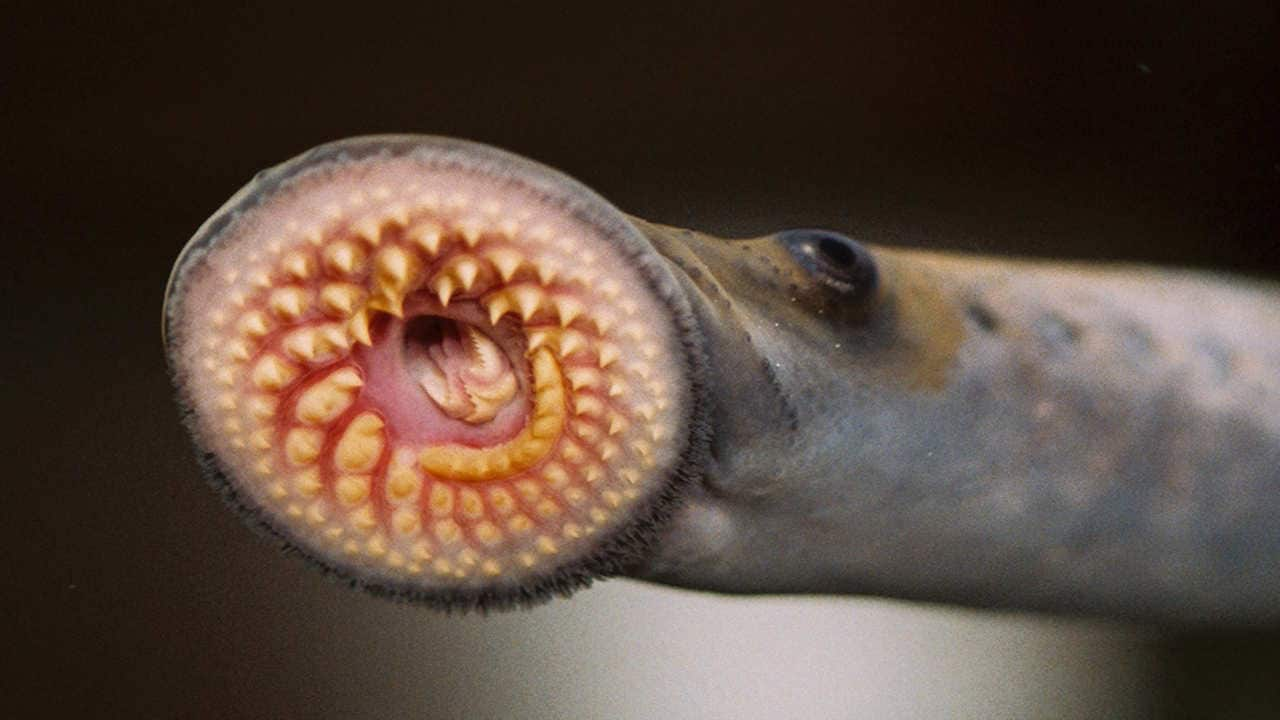
Sea lamprey (Petromyzon marinus). Credit: T. Lawrence, Great Lakes Fishery Commission. Image credit; Wikimedia Commons[/caption]"Molecules like this normally couldn't ferry cargo into the brain, but anywhere there's a blood-brain barrier disruption, they can deliver drugs right to the site of pathology," Shusta said in a statement.Researchers said that the technology takes advantage of the fact that many diseases disrupt body's natural defence mechanism — the blood-brain barrier, which lines the blood vessels of the central nervous system, protecting the brain from circulating toxins or pathogens. They also linked the molecules to chemotherapy called doxorubicin. The treatment of prolonged survival in mouse models of glioblastoma, an incurable cancer."This could be a way to hold therapies in place that don't otherwise accumulate well in the brain so they can be more effective," said Ben Umlauf from the University of Wisconsin-Madison."There are several disease processes that disrupt the blood-brain barrier and we could conceive of delivering a variety of different therapies with these molecules," said John Kuo from the University of Texas in the US.

Careless Whispers: Scientists discover that plants can 'talk' to each other using smells
Life on Mars? European Space Agency’s Orbiter discovers ice water deposits at equator
Microsoft briefly overtakes Apple as the most valuable company, Apple back on top again
Even NASA is facing a tough time, starts layoffs following major budget cuts
ISRO, NASA's NISAR satellite to get ready by Jan-end, will monitor Earth's snow-covered regions