


Japan plans to create wooden satellites which they hope will cut down on space junk
Takao Doi said all satellites that re-enter Earth’s atmosphere “burn and create tiny alumina particles which will float in the upper atmosphere for many years”.

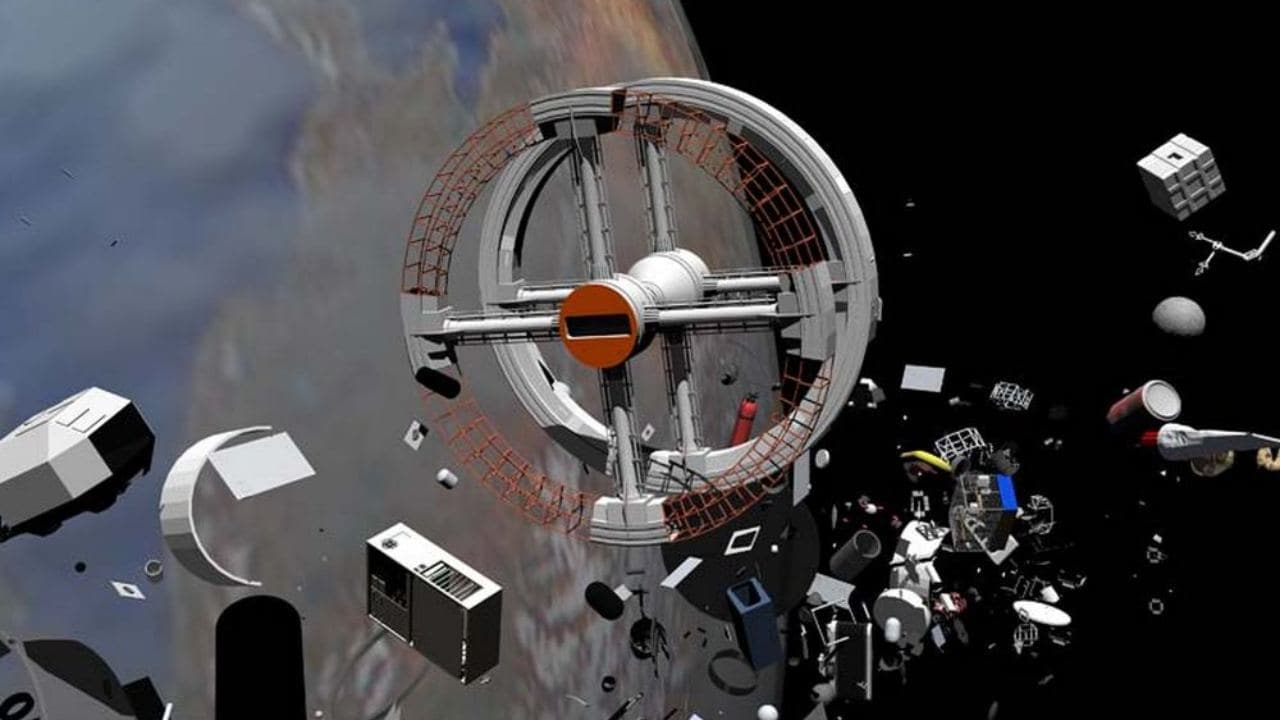
Artist illustration of the junk that exists in space. Image credit: Wikipedia[/caption]The report says that wooden satellites were a better alternative to the existing ones as these would burn up after entering the atmosphere without releasing any harmful substances. No waste will be created and the risk of space junk falling back on Earth can be lessened.Takao Doi, a professor at Kyoto University and Japanese astronaut, was quoted by BBC to state that all the satellites that re-enter Earth’s atmosphere at present “burn and create tiny alumina particles which will float in the upper atmosphere for many years”. This can prove to be harmful in the long run, something they aspire to prevent by using wood as their material.Although the company has not revealed the name of the wood for R& D purposes, they are working on developing wooden materials that are “highly resistant to temperature changes and sunlight”. The report also drew attention to the threat the space junk poses. It mentions that in the coming years, more and more countries are going to send more satellites. But already of the total number of satellites circling our planet, about 60 per cent of them are defunct according to the World Economic Forum (WEF).A report by ARS Technica however pointed out that just using wood for satellites is not really going to make a difference. The article cites figures to suggest a huge amount of space junk consists of the booster or the equipment used to propel the satellites into space. Even if wood is incorporated, this number is not going to be affected. Although if the satellite de-orbits, the wood will completely burn down, but this will not stop some tiny bits of aluminium from getting into the mix as many of them can come from the rockets.

Careless Whispers: Scientists discover that plants can 'talk' to each other using smells
Life on Mars? European Space Agency’s Orbiter discovers ice water deposits at equator
Microsoft briefly overtakes Apple as the most valuable company, Apple back on top again
Even NASA is facing a tough time, starts layoffs following major budget cuts
ISRO, NASA's NISAR satellite to get ready by Jan-end, will monitor Earth's snow-covered regions