


ISRO to build three sets of GSLV rockets, crew and service modules for Gaganyaan
ISRO is also working on a framework to find 30 astronauts, out of which the final 3 will be chosen.

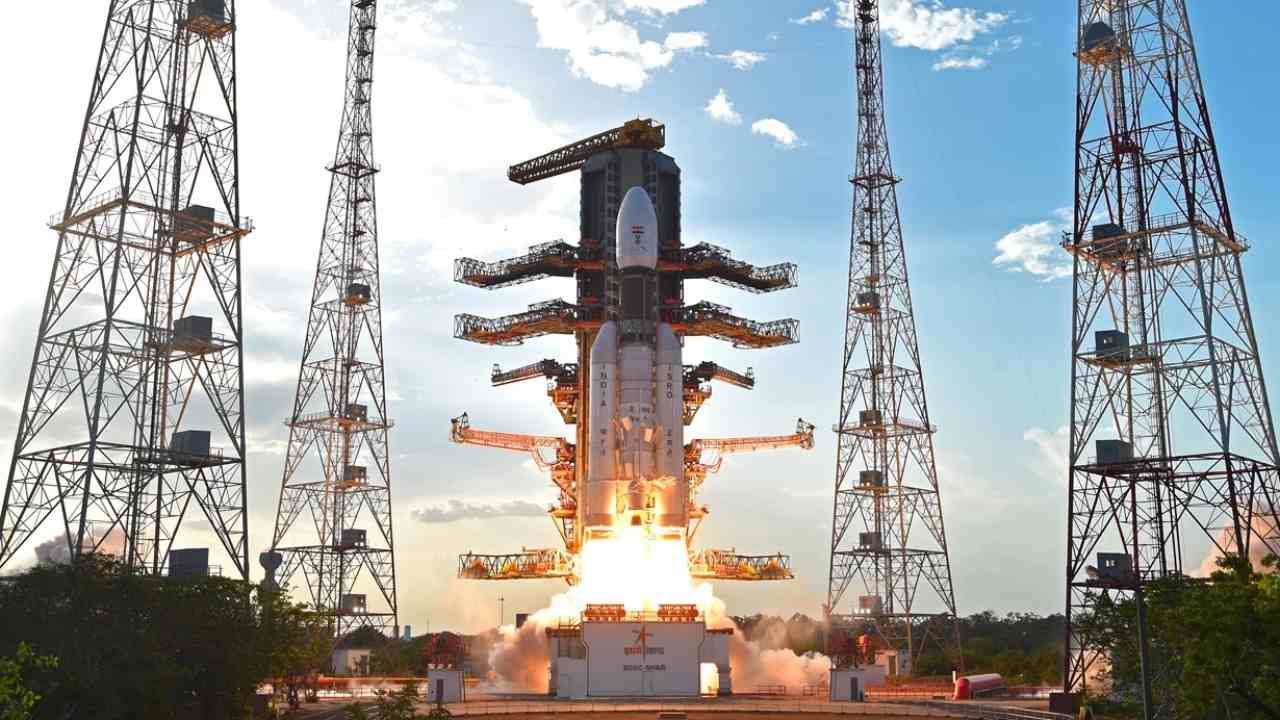
The mighty GSLV-MkIII will be the rocket modified with a crew module for the astronauts in the manned mission. Image courtesy: ISRO[/caption]
Gaganyaan: The biggest expenses
The bulk of the mission's expenditure is being spent to build ISRO's capabilities in human spaceflight for the first time. A minimum of 50 percent of the mission's Rs 10,000 crore approved expense is being set aside for human-rating. Also adding to a chunk of the cost is a new launch pad that can accommodate the entry of astronauts.ISRO will build three sets of the mission's requirements — the Gaganyaan (GSLV-MkIII) rocket, the crew module and the service module for the mission. Each set will be put to use to carry out the two unmanned test missions chalked out for December 2020 and June-July 2021, and the final mission, which is slated for a December 2021 or early 2022 liftoff.Since the time GSLV has been ideated and brought into active development since 2002, ISRO engineers have envisioned its used in a future manned mission, according to S Somnath, director of the Vikram Sarabhai Space Centre (VSSC), who gave a presentation recently of the pending work in the Gaganyaan mission, ToI reported.[caption id="attachment_5141451" align="alignnone" width="1280"]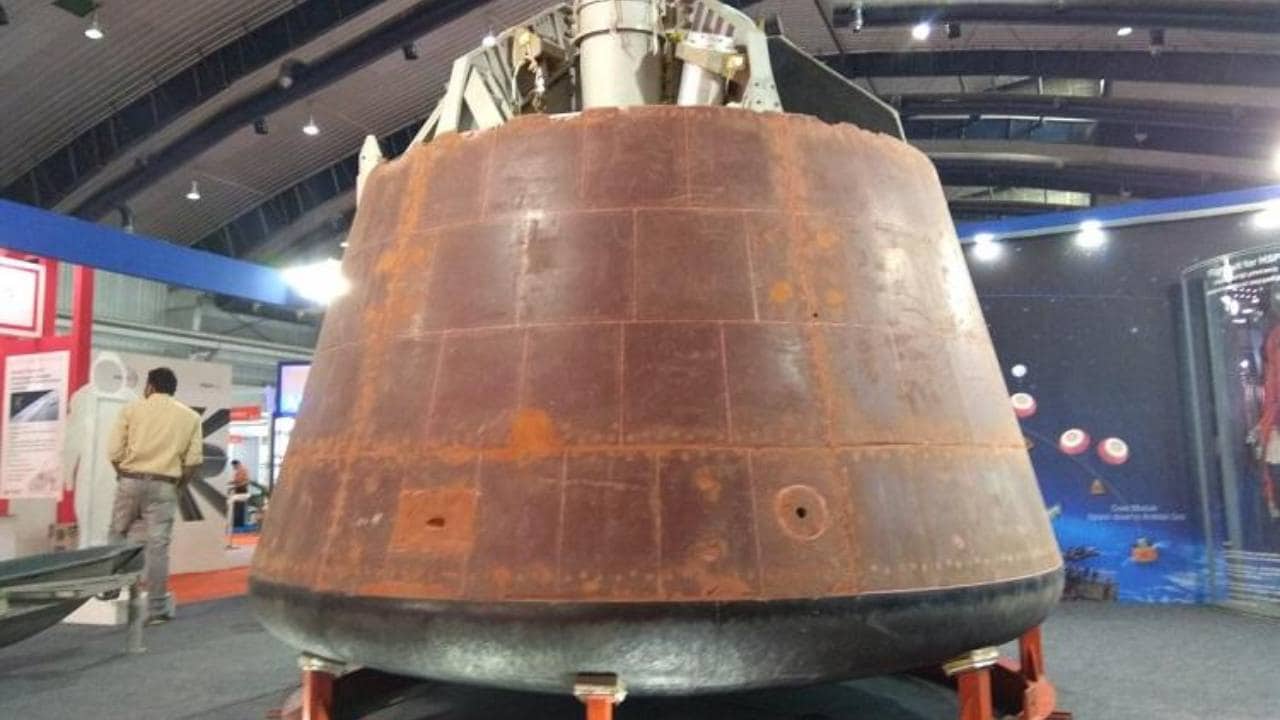
Crew Module along with the escape capsule on display at the Bangalore Space Expo in 2018. Image courtesy: ISRO/Twitter[/caption]
More redundancy, more reliability
All launch vehicle systems destined for space are designed with redundancies, but a mission with humans needs a much higher degree of redundancy. ISRO's target reliability is 99 percent for a human-rated the launch vehicle, and 99.8 percent for a crew escape system, Somnath told ToI.Both these systems are being redesigned by ISRO engineers. New architectural changes are being made to the escape system underway and redundancies being incorporated into the GSLV-MkIII for good measure and added safety.[caption id="attachment_5141421" align="alignnone" width="1280"]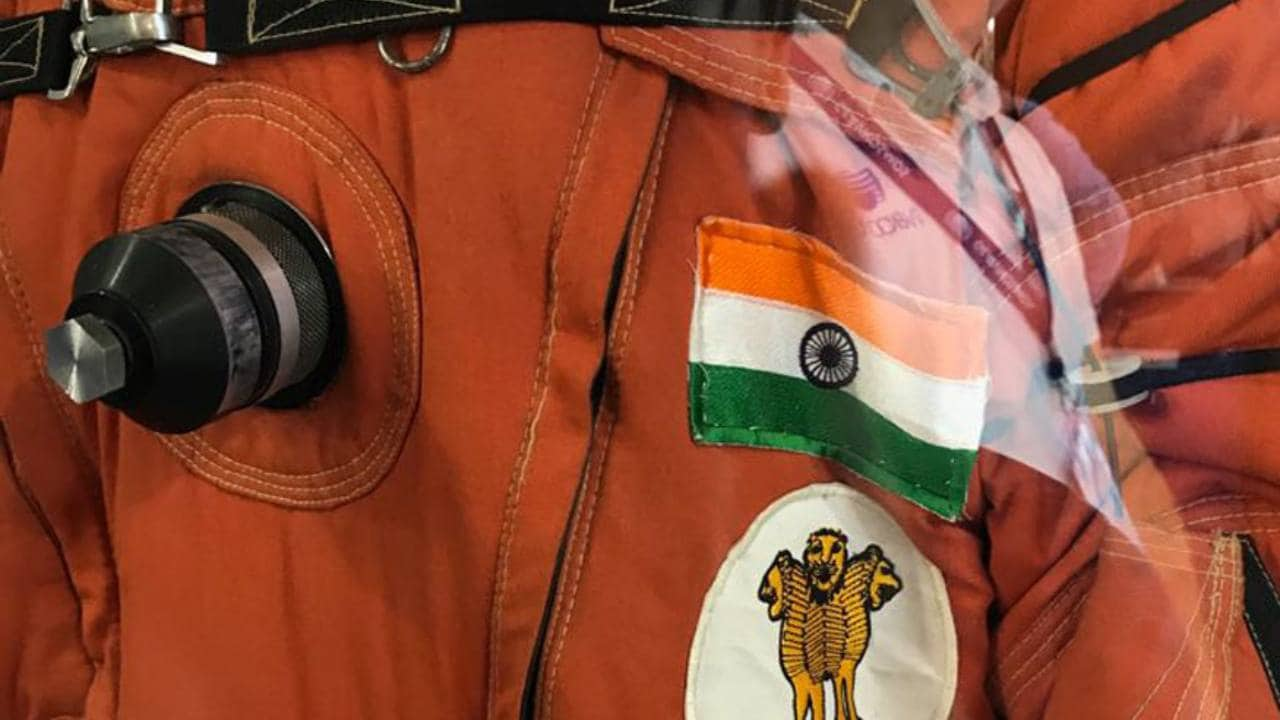
The ISRO space suit for astronauts in the Gaganyaan mission, displayed at the Bengaluru Space Expo. Image: Twitter/Nagarjun Dwarkanath[/caption]Rockets are autonomous after launch, and can't be given the slightest wiggle-room to fail, according to Somnath. "Even if one system fails, we’ll bring the crew back. The most important thing is failure detection and onboard intelligence that tells the system to abort."For this, new algorithms that feed into the crew escape and service module systems are being worked on currently. Also in production is an indigenous computer and microprocessors for the mission."Control systems, avionics and sensors are ready,” Somnath said.
Astronaut training
The selection and training of astronauts for the mission will also take up a considerable amount of the budget — roughly 10 percent, according to Sivan. It will include building new facilities to accommodate training equipment and expertise beyond physical strength and endurance.[caption id="attachment_5790921" align="alignnone" width="1280"]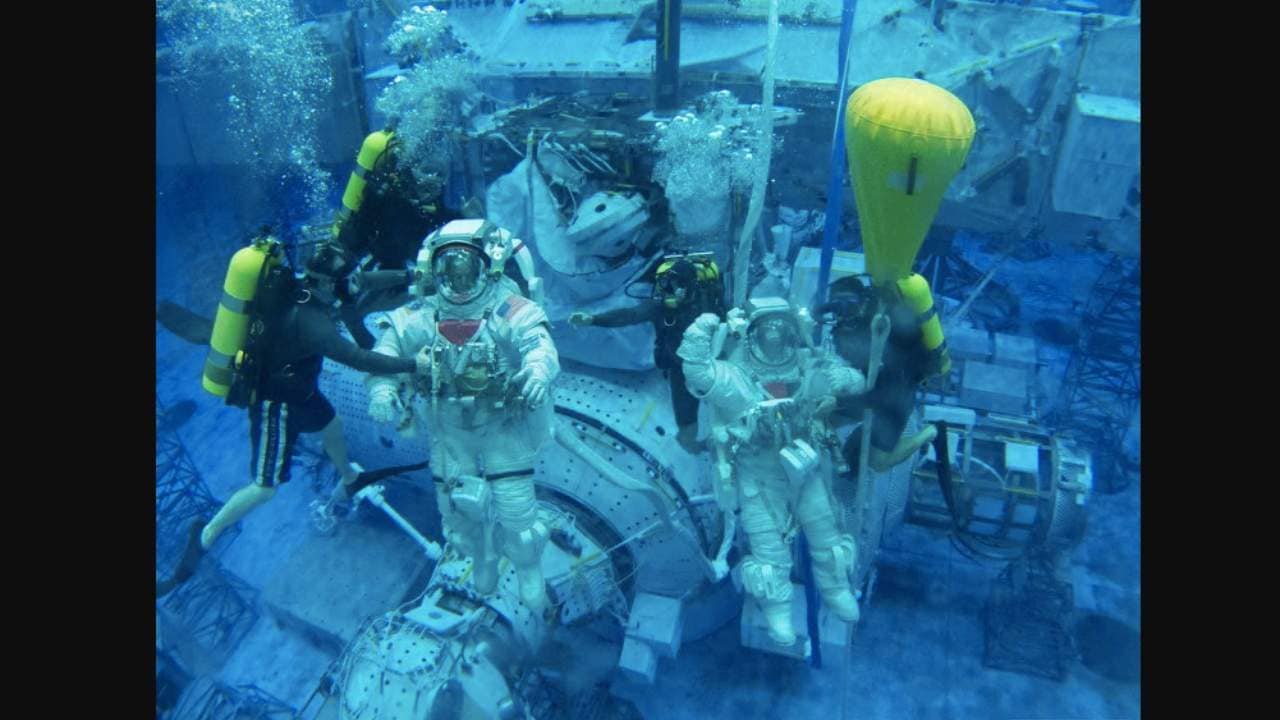
Astronauts training in the Neutral Buoyancy Lab at NASA to simulate the experience of the long duration and feeling of a spacewalk. Image: NASA[/caption]Apart from the contributions of the Indian Air Force in recruiting and training the candidates, the Institute of Aerospace Medicine will help with also contribute to systems for selection and training of the astronauts in India.ISRO is currently creating a framework for the selection process, and looking at a pool of 30 astronauts from which a crew of three will be selected for the final mission.

Careless Whispers: Scientists discover that plants can 'talk' to each other using smells
Life on Mars? European Space Agency’s Orbiter discovers ice water deposits at equator
Microsoft briefly overtakes Apple as the most valuable company, Apple back on top again
Even NASA is facing a tough time, starts layoffs following major budget cuts
ISRO, NASA's NISAR satellite to get ready by Jan-end, will monitor Earth's snow-covered regions