


India's mission to put man in space will create 15,000 new jobs: ISRO chief
ISRO wants to collaborate with multiple state-run scientific institutions, academia, and start-ups.

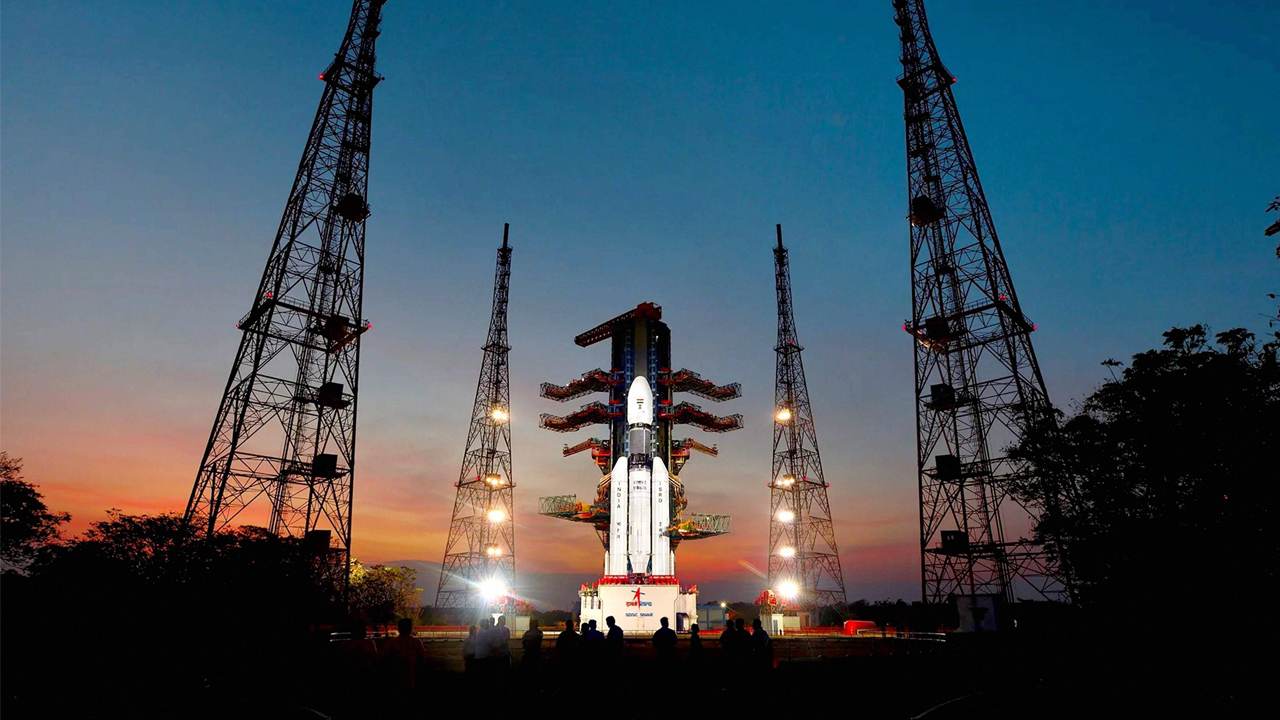
Representational image. Image courtesy: ISRO[/caption]"The human spaceflight will be a national project and not just ISRO's, as we will be collaborating with several institutions, academia and the industry," Sivan told reporters here.Rakesh Sharma, a former Indian Air Force pilot, is the only Indian citizen to travel into space so far. He was part of the crew on Soyuz T-11 launched on April 2, 1984 from the Baikonur Cosmodrome in Kazakh Soviet Socialist Republic, a part of the then Soviet Union.The ISRO will be working with the Institute of Aerospace Medicine in Bengaluru for training the crew and the Indian Air Force, which will select the crew, as well as with the private sector, which will be involved in research and development, Sivan said.The ISRO Chairman addressed the press conference in this tech hub hours after Prime Minister Narendra Modi announced in his Independence Day address in New Delhi the country's plan to put an Indian into space by 2022 on its own.Admitting that the space agency was "surprised" by the Prime Minister's human space mission announcement, Sivan said the technological preparations for the project were on track since 2004."The announcement came to us as a surprise. We were not expecting it," Sivan said, adding that ISRO, however, has been developing several critical technologies required for the mission like the crew module and the crew escape system."It is not an unrealistic schedule. We are confident of achieving it even before 2022," Sivan said.The opportunity of exploring space will enhance the country's science and technological capabilities, while inspiring the youth, he added.India's attempt to reach space by 2022 is about six decades after a Russian cosmonaut Yuri Gagarin became the first human to journey into outer space and orbit the earth in 1961.The US, Russia, and China are the only three nations to have launched manned space flights.The ISRO is yet to finalise the exact timeline of tests before a manned mission can take off, as it plans to have two unmanned test flights onboard a Geosynchronous Satellite Launch Vehicle (GSLV Mk-III).In the run-up to the first manned mission, said to be the largest project undertaken by the Indian space agency, the ISRO will conduct the next unmanned test flight by 2020."There will be two unmanned flights before the manned mission, for which the astronaut suit is also being developed," said Sivan.The ambitious human space mission is expected to cost about Rs 10,000 crore, in addition to the already spent Rs 300-crore in developing the technologies for the mission, like the crew module.

Careless Whispers: Scientists discover that plants can 'talk' to each other using smells
Life on Mars? European Space Agency’s Orbiter discovers ice water deposits at equator
Microsoft briefly overtakes Apple as the most valuable company, Apple back on top again
Even NASA is facing a tough time, starts layoffs following major budget cuts
ISRO, NASA's NISAR satellite to get ready by Jan-end, will monitor Earth's snow-covered regions