


IIT researchers develop smartphone algorithms that can detect adulteration in milk
The research team developed a sensor-chip based method for measuring pH level, an indicator of acidity.

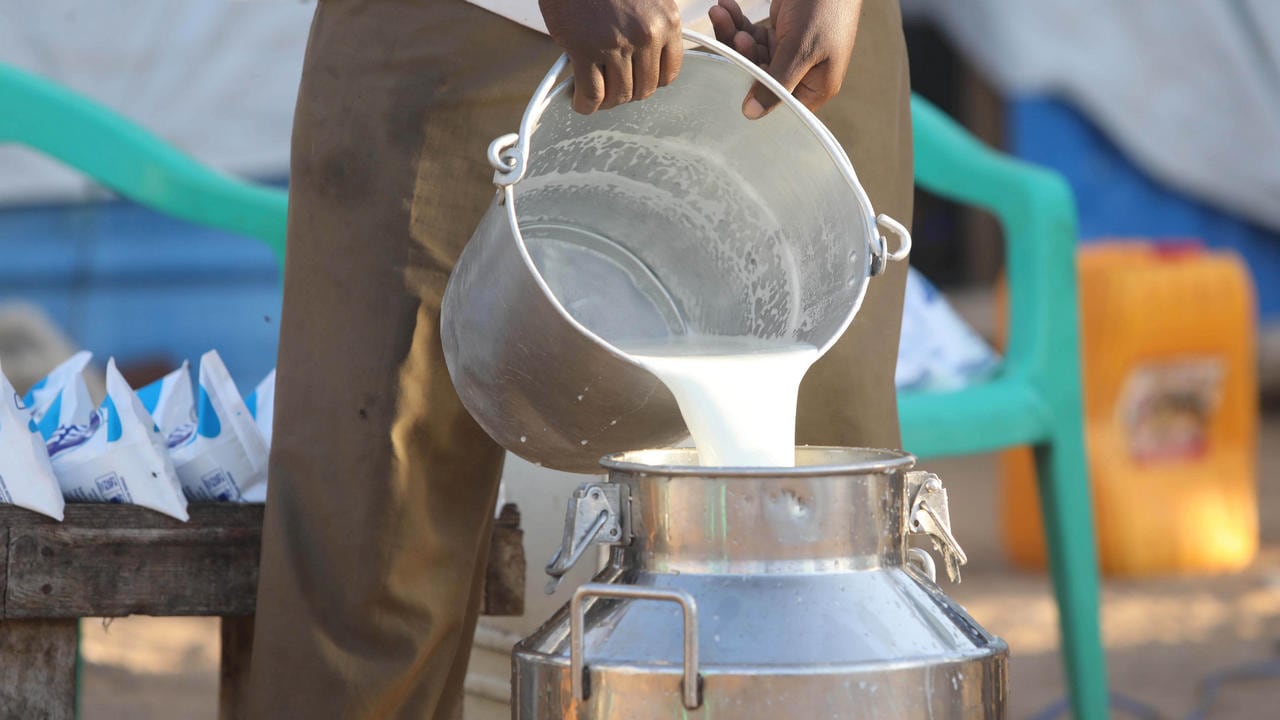
A worker prepares to package a milk. Image: Reuters[/caption]IIT Professor Shiv Govind Singh, heading the research team, said, "While techniques such as chromatography and spectroscopy can be used to detect adulteration, such techniques generally require expensive setup and are not amenable to miniaturisation into low-cost easy-to-use devices. Hence, they do not appeal to the vast majority of milk consumers in the developing world.""We need to develop simple devices that the consumer can use to detect milk contamination. It should be possible to make milk adulteration detection failsafe by monitoring all of these parameters at the same time, without the need for expensive equipment," he said.First, the research team developed a sensor-chip based method for measuring pH level, an indicator of acidity.They used a process called "electrospinning" to produce paper-like material made of nanosized nylon fibre, loaded with a combination of three dyes. The paper is "halochromic" which changes colour in response to changes in acidity.The researchers have developed a prototype smartphone-based algorithm, in which, the colours of the sensor strips after dipping in milk are captured using the phone camera, and the data is transformed into pH range."We have used three machine-learning algorithms and compared their detection efficiencies in classifying the colour of the indicator strips. On testing with milk spiked with various combinations of contaminants, we found near-perfect classification with accuracy of 99.71 percent," Singh said."The team will extend the research to study the effects of mobile phone cameras and lighting on detection efficiency."In the long run, we hope to develop sensors for other physical properties such as conductivity and refractive index and integrate it with the pH detection unit to obtain comprehensive milk quality check systems that can be easily deployed by the consumer using mobile phones and other hand-held devices," he said.

Careless Whispers: Scientists discover that plants can 'talk' to each other using smells
Life on Mars? European Space Agency’s Orbiter discovers ice water deposits at equator
Microsoft briefly overtakes Apple as the most valuable company, Apple back on top again
Even NASA is facing a tough time, starts layoffs following major budget cuts
ISRO, NASA's NISAR satellite to get ready by Jan-end, will monitor Earth's snow-covered regions