


Homeland: Archeologists dig up modern humankind's ancestral settlement in Botswana
The oldest-known Homo sapiens fossil evidence dates back more than 3,00,000 years from Morocco.

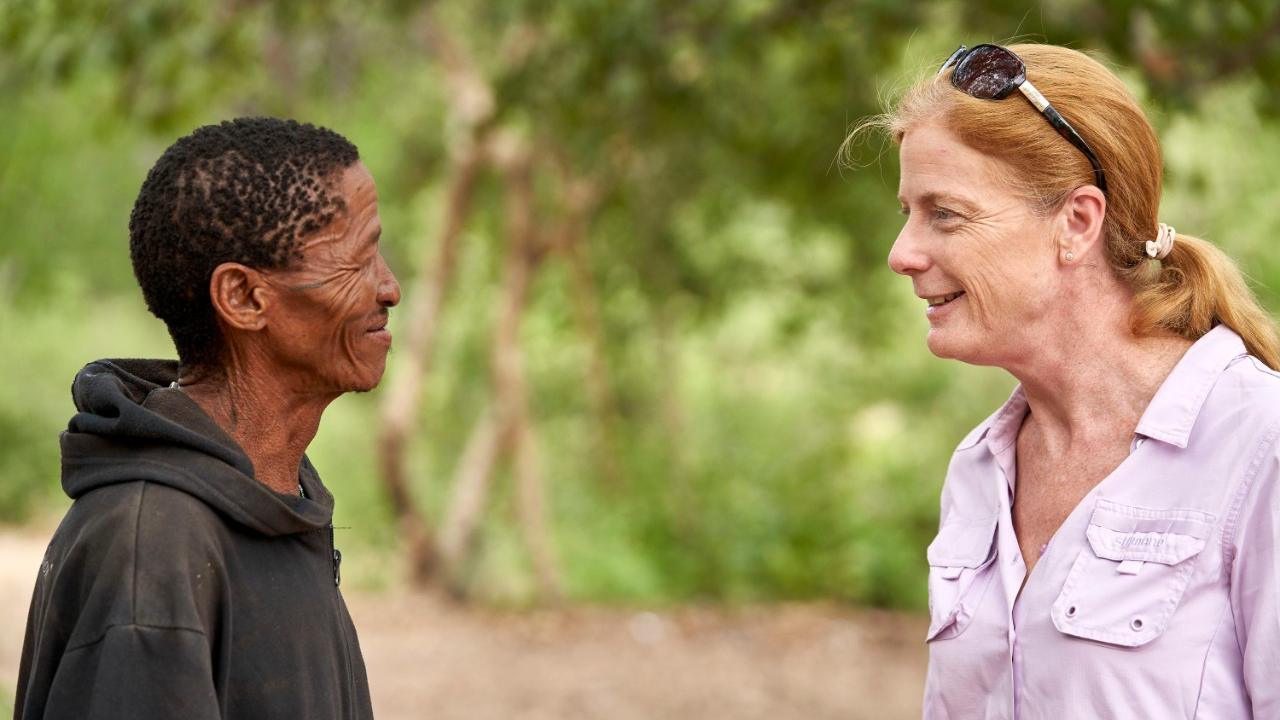
Headman ǀkun ǀkunta (from an extended Juǀ’hoansi family) with Professor Vanessa Hayes in Botswana. Image credit: Chris Bennett/Evolving Picture[/caption]“But what we hadn’t known until this study was where exactly this homeland was,” said geneticist Vanessa Hayes of the Garvan Institute of Medical Research and the University of Sydney, who led the study published in the journal Nature.The oldest-known Homo sapiens fossil evidence dates back more than 3,00,000 years from Morocco. The new study suggests that early members of our species as represented by the Moroccon remains may not have left any ancestors living today, the researchers said.“There is no contradiction between the presence of an early Homo sapiens-like skull in northern Africa, which may be from an extinct lineage, and the proposed southern African origin of the Homo sapiens lineages that are still alive,” added study co-author Axel Timmermann, a climate physicist at Pusan National University in South Korea.

Careless Whispers: Scientists discover that plants can 'talk' to each other using smells
Life on Mars? European Space Agency’s Orbiter discovers ice water deposits at equator
Microsoft briefly overtakes Apple as the most valuable company, Apple back on top again
Even NASA is facing a tough time, starts layoffs following major budget cuts
ISRO, NASA's NISAR satellite to get ready by Jan-end, will monitor Earth's snow-covered regions