
Advertisement


Sections
Gut-brain connection confirmed in people with autism for the first time in study
The common link was found to be in a set of neurons that are common to both the brain and the gut.

For the longest time, researchers have observed an empirical link between autism and problems with the gut. Now, researchers have narrowed down what this link could actually be: gene mutations that were found both in the brain and gut. This finding confirms the long-suspected link between the gut and brain via the nervous system in people with autism.The common link was found to be in a set of neurons that are common to both the brain and the gut. This could open an entirely new line of treatment for behavioral issues linked to autism by looking at the gut as the target instead of the brain."Up to 90 percent of people with autism suffer from gut issues, which can have a significant impact on daily life for them and their families," Dr Elisa Hill-Yardin, Chief Investigator Associate Professor at RMIT University, said in a press release.[caption id="attachment_6767871" align="alignnone" width="1280"]![The Gut-Brain axis has a hand in autism, too. Image: McGill University]() The Gut-Brain axis has a hand in autism, too. Image: McGill University[/caption]The gene that was found mutated (altered) in both cases was a "velcro" gene found between neurons that normally keeps the neurons in close contact — crucial for communication between neurons in the brain. This, according to RMIT University, is the first identified "cause" of autism. This mutation affects communication between neurons in the brain, but can also be mirrored in the gut, leading to a dysfunction in gut health and functioning.While the "velcro" mutation is quite rare, it is one of over 150 autism-related gene alterations that affect neuronal connections in people, according to Hill-Yardin.There are some distinct ways the mutation affects the body:
The Gut-Brain axis has a hand in autism, too. Image: McGill University[/caption]The gene that was found mutated (altered) in both cases was a "velcro" gene found between neurons that normally keeps the neurons in close contact — crucial for communication between neurons in the brain. This, according to RMIT University, is the first identified "cause" of autism. This mutation affects communication between neurons in the brain, but can also be mirrored in the gut, leading to a dysfunction in gut health and functioning.While the "velcro" mutation is quite rare, it is one of over 150 autism-related gene alterations that affect neuronal connections in people, according to Hill-Yardin.There are some distinct ways the mutation affects the body:![Neural synapses are the biochemical bridges that connect adjacent neurons. Image courtesy: Neurocentral]() Neural synapses are the biochemical bridges that connect adjacent neurons. Image courtesy: Neurocentral[/caption]The results from the study include tests of this gut-brain link in animal studies (pre-clinical trials), furthering the findings of a landmark study led by Swedish and French researchers from 2003. While the earlier study in 2003 zeroed in on the genetic basis for autism spectrum disorders, the recent study looks at the gastrointestinal problems that autistic patients experienced.Apart from the implications that the discovery has for autism research, confirming the brain-gut link also suggests there may be a broader mechanism at play. Researchers know that microbes can affect the brain through the gut-brain connection. Does that also mean tweaking these microbes improves mood and behaviour?This is one of many new questions that the researchers hope to address in upcoming trials.
Neural synapses are the biochemical bridges that connect adjacent neurons. Image courtesy: Neurocentral[/caption]The results from the study include tests of this gut-brain link in animal studies (pre-clinical trials), furthering the findings of a landmark study led by Swedish and French researchers from 2003. While the earlier study in 2003 zeroed in on the genetic basis for autism spectrum disorders, the recent study looks at the gastrointestinal problems that autistic patients experienced.Apart from the implications that the discovery has for autism research, confirming the brain-gut link also suggests there may be a broader mechanism at play. Researchers know that microbes can affect the brain through the gut-brain connection. Does that also mean tweaking these microbes improves mood and behaviour?This is one of many new questions that the researchers hope to address in upcoming trials.
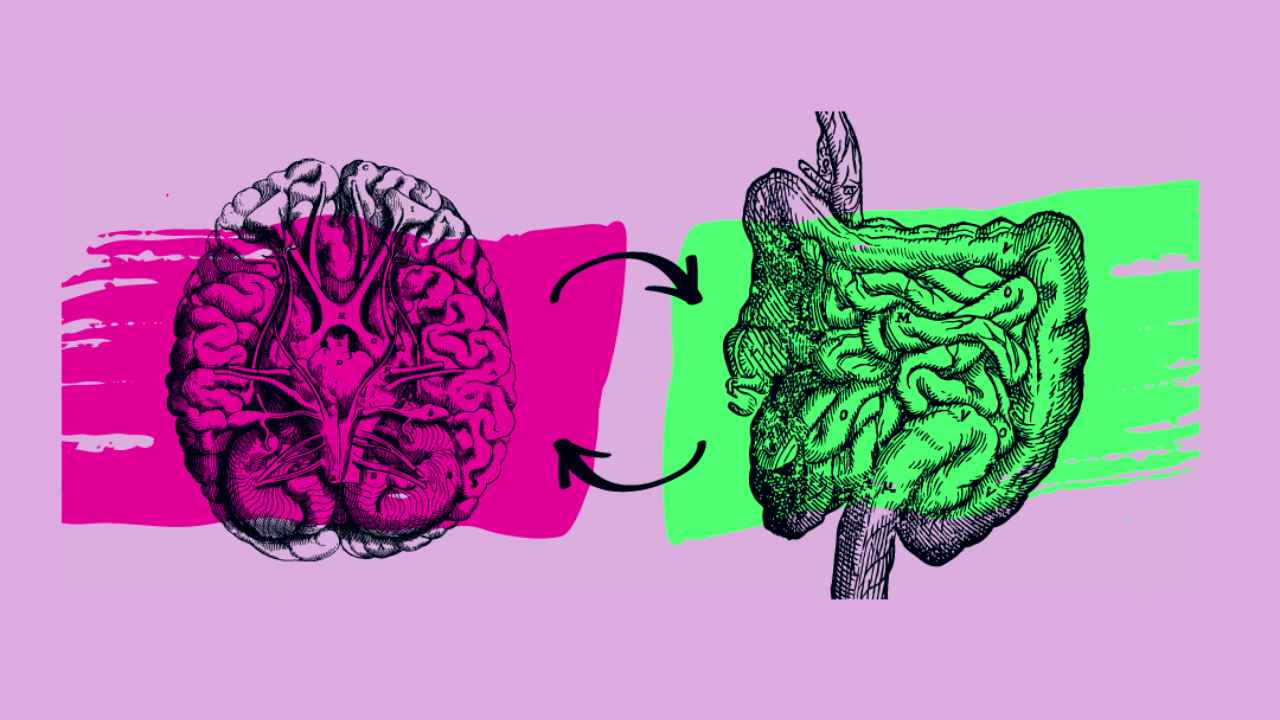 The Gut-Brain axis has a hand in autism, too. Image: McGill University[/caption]The gene that was found mutated (altered) in both cases was a "velcro" gene found between neurons that normally keeps the neurons in close contact — crucial for communication between neurons in the brain. This, according to RMIT University, is the first identified "cause" of autism. This mutation affects communication between neurons in the brain, but can also be mirrored in the gut, leading to a dysfunction in gut health and functioning.While the "velcro" mutation is quite rare, it is one of over 150 autism-related gene alterations that affect neuronal connections in people, according to Hill-Yardin.There are some distinct ways the mutation affects the body:
- Gut contractions
- Number of neurons in the small intestine
- Speed at which food moves through the small intestine
- Responses to critical neurotransmitter important in autism (well-known in the brain but not previously identified to play any major role in the gut)
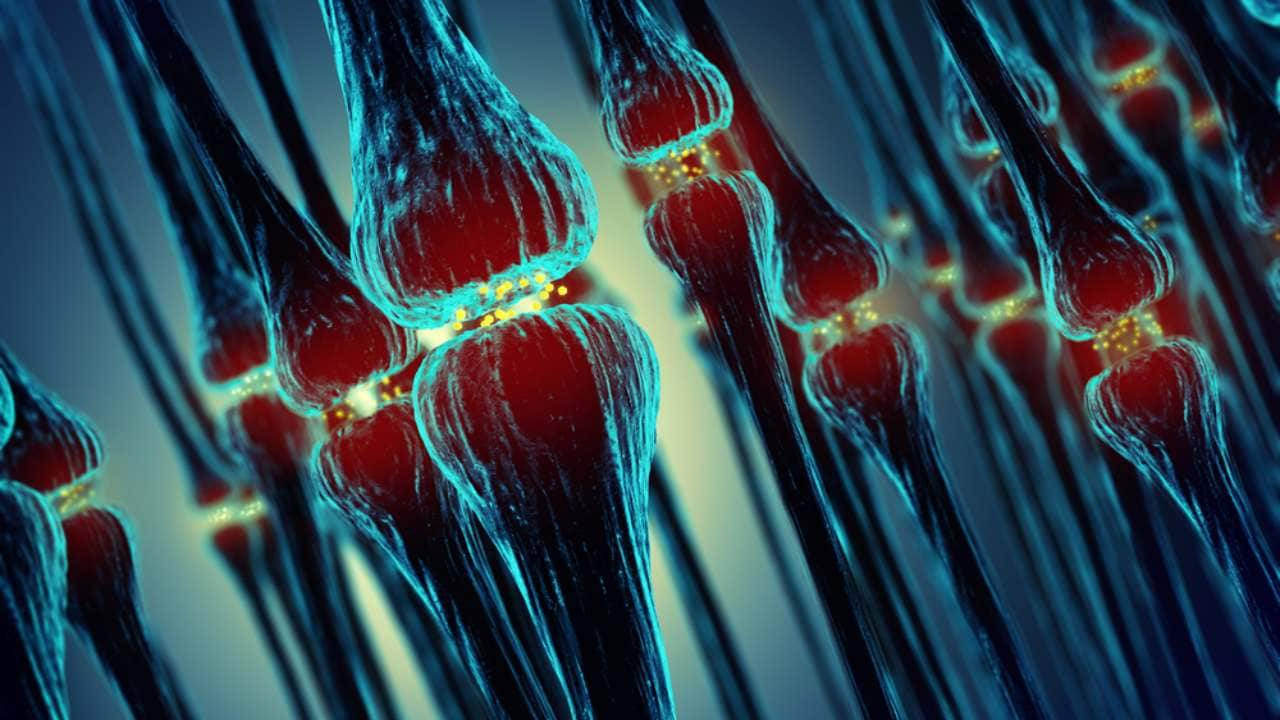 Neural synapses are the biochemical bridges that connect adjacent neurons. Image courtesy: Neurocentral[/caption]The results from the study include tests of this gut-brain link in animal studies (pre-clinical trials), furthering the findings of a landmark study led by Swedish and French researchers from 2003. While the earlier study in 2003 zeroed in on the genetic basis for autism spectrum disorders, the recent study looks at the gastrointestinal problems that autistic patients experienced.Apart from the implications that the discovery has for autism research, confirming the brain-gut link also suggests there may be a broader mechanism at play. Researchers know that microbes can affect the brain through the gut-brain connection. Does that also mean tweaking these microbes improves mood and behaviour?This is one of many new questions that the researchers hope to address in upcoming trials.
First Published:Jun 06, 2019, 16:55:01 IST
Advertisement
Advertisement

Careless Whispers: Scientists discover that plants can 'talk' to each other using smells
Japanese scientists have recorded a video that shows plants, in certain conditions, communicate with each other using mists that carry smells. The discovery, reveals that plants release a fine mist of airborne compounds, to warn nearby plants of potential dangers
Life on Mars? European Space Agency’s Orbiter discovers ice water deposits at equator
European Space Agency's Mars Express Orbiter has identified massive ice and ice water deposits beneath the surface of Mars. The Mars Express orbiter was also the first to confirmed the presence of ice on Mars in 2004
Microsoft briefly overtakes Apple as the most valuable company, Apple back on top again
At its peak during the session, Microsoft's value reached $2.903 trillion, with a 2% surge. As of writing this article, Apple closed at $2.89 trillion, whereas Microsoft closed at $2.86 trillion
Even NASA is facing a tough time, starts layoffs following major budget cuts
NASA is facing some massive budget cuts, because of which, it has been forced to postpone some upcoming missions. NASA's Jet Propulsion Laboratory has been hit hard by recent federal budget cuts, resulting in the layoff of 100 contractors last week
ISRO, NASA's NISAR satellite to get ready by Jan-end, will monitor Earth's snow-covered regions
The NISAR satellite which has been developed jointly ISRO and NASA, should be ready for launch by the end of January 2024. The collaboration between NASA and ISRO on NISAR is the first time the two agencies have cooperated on hardware development for an Earth-observing mission
Advertisement
Advertisement