


Greenland's melting ice sheets will soon face point of no return due to climate change
The researchers said despite seasonal periods of growth, Greenland has lost 3.5 trillion tons of ice since 2003.

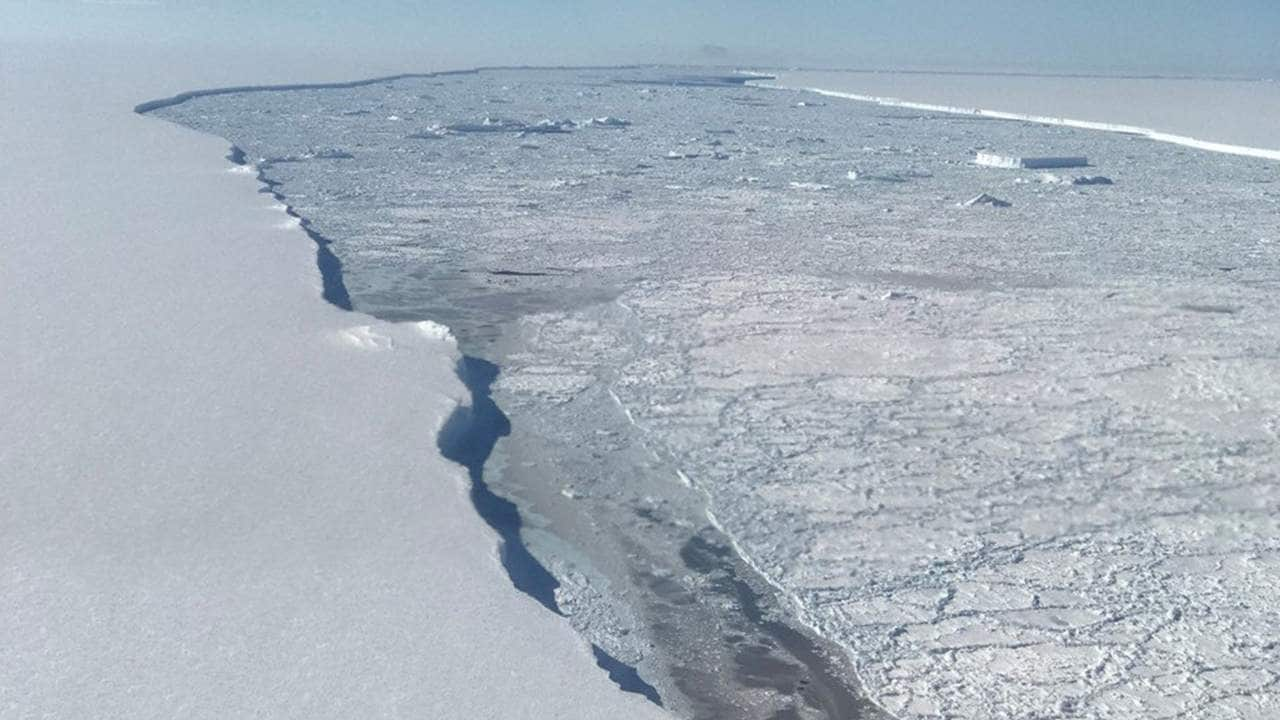
At current rates of melting, researcher says that Greenland's ice sheet contributes almost one millimetre to sea level per year.[/caption]In the research, the scientists simulated the effects of Greenland ice sheet melting under a range of possible temperature rises, ranging from minimal warming to worst-case scenarios.At current rates of melting, they said the ice sheet contributes almost one millimetre to sea level per year, accounting for around a quarter of the total increase.The researchers said despite seasonal periods of growth, Greenland has lost 3.5 trillion tons of ice since 2003.Under all future climates like the present or warmer, they found that the ice-sheet declined in size and contributed to some degree of sea-level rise.Importantly, the scientists said there were scenarios in which the ice sheet melting could be reversed.But these depended on actions to reverse global warming before it’s too late, the scientists added.Under scenarios in which global warming goes beyond 2°C, there could be significant ice loss and several metres of global sea-level rise to persist for tens of thousands of years, the scientists said, adding that a warmer climate would lead to greater sea-level rise.In such cases, even if temperatures later return to current levels, the study showed that the Greenland ice sheet will never fully regrow once it melts beyond a critical point.After this point, the scientists said sea levels would permanently remain two metres higher than current levels, regardless of other contributing factors.According to the researchers, this is because the ice sheet is so large that it has a substantial impact on its local climate, and as it declines, Greenland would experience warmer temperatures and less snowfall.Once the ice-sheet retreats from the Northern part of the island, the study cautioned that the area would remain ice-free.To avoid irreversible sea-level rise such melting would cause, the scientists said climate change must be reversed before this threshold is reached. “To avoid partially irreversible loss of the ice sheet, climate change must be reversed -- not just stabilised -- before we reach the critical point where the ice sheet has declined too far,” said Jonathan Gregory, a co-author of the study from the University of Reading.

Careless Whispers: Scientists discover that plants can 'talk' to each other using smells
Life on Mars? European Space Agency’s Orbiter discovers ice water deposits at equator
Microsoft briefly overtakes Apple as the most valuable company, Apple back on top again
Even NASA is facing a tough time, starts layoffs following major budget cuts
ISRO, NASA's NISAR satellite to get ready by Jan-end, will monitor Earth's snow-covered regions