


Global warming causes lakes to heat up at the surface, remain cool at the bottom
Lakes play an important role in the global carbon cycle, acting as large natural bioreactors.

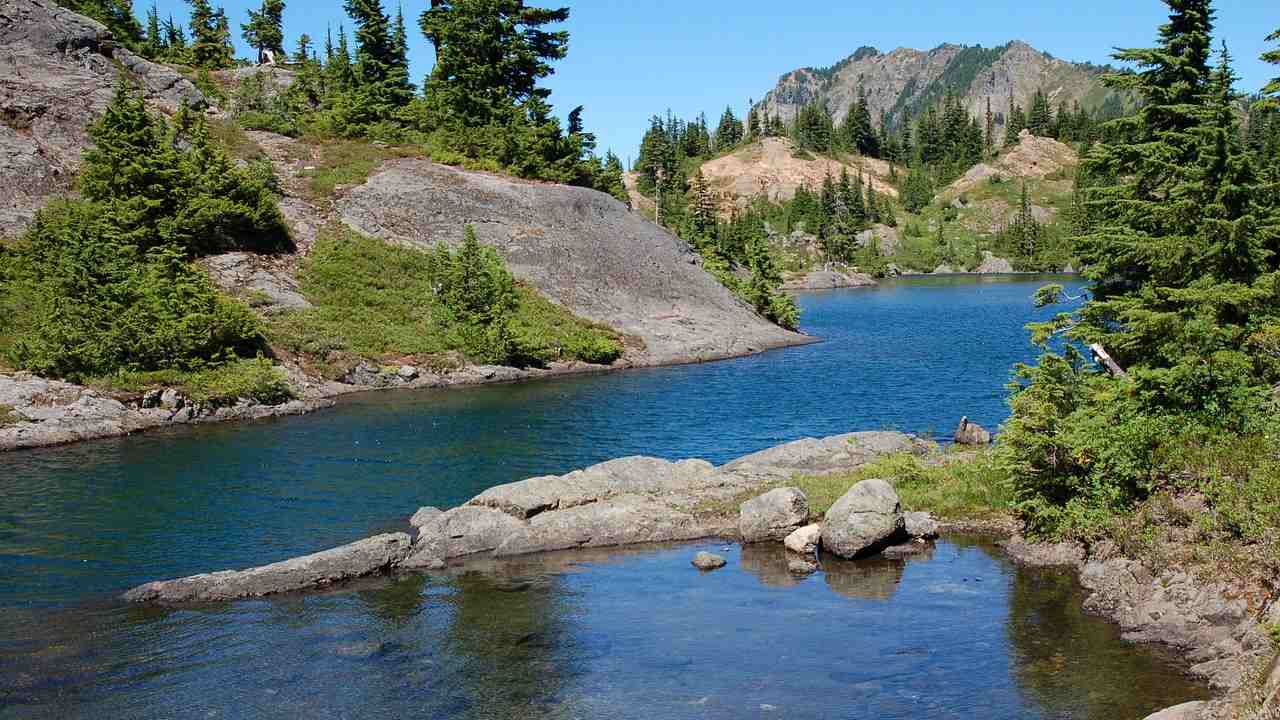
Representational image[/caption]The research project not only targeted the direct effects of warming global warming, but also the indirect ones. The main focus of the investigations was the water temperature and greenhouse gas production in the deeper parts of the lakes."We don't want to question the fundamentals of thermodynamics. There is no doubt that the rates of respiratory metabolic processes in lakes are generally higher at increased water temperatures," explained Professor Moritz Lehmann from the Department of Environmental Sciences at the University of Basel."However, climate change will not cause every lake to warm up everywhere," added Professor Lehmann. Lakes worldwide are warming at the surface. However, they are also losing transparency due to increased algae production and enhanced turbidity of the lake water."The surface-water warming and the loss of transparency have the effect that more heat is trapped in the upper layers of the lakes, leaving the deeper waters thermally isolated," said lead author Dr. Maciej Bartosiewicz from the Department of Environmental Sciences at the University of Basel."Under some circumstances, this can even lead to the cooling of water masses near the bottom of the lake," continued Bartosiewicz.The subtle cooling slows down respiratory decay processes and carbon dioxide production in the lakes, increasing carbon burial within the sediments. Model simulations suggest that the observed effects are most pertinent to relatively small and shallow lakes, which make up approximately half of the global lake surface.The increased differential warming in lakes has yet another effect: the pronounced thermal stratification entails that the deeper water layers do barely mix and are poorly ventilated, which can lead to prolonged anoxia. Under these oxygen-free conditions, methane production by anaerobic microorganisms is enhanced."All in all, warming" global warming increases the greenhouse gas potential of lakes, as expected. However, this has less to do with the warming directly, and more to do with increased oxygen depletion at the bottom of these lakes," concluded Bartosiewicz.

Careless Whispers: Scientists discover that plants can 'talk' to each other using smells
Life on Mars? European Space Agency’s Orbiter discovers ice water deposits at equator
Microsoft briefly overtakes Apple as the most valuable company, Apple back on top again
Even NASA is facing a tough time, starts layoffs following major budget cuts
ISRO, NASA's NISAR satellite to get ready by Jan-end, will monitor Earth's snow-covered regions